Vanilla Extract in a Diffuser: Hazards and Safe Alternatives
This post contains affiliate links. As an Amazon Associate, we earn from qualifying purchases.
Putting vanilla extract in a diffuser is a fast way to ruin the device. Diffusers are engineered for volatile essential oils, not the water, sugar, and high-proof alcohol in culinary extracts. The non-volatile components leave a sticky residue that clogs the mechanism, while the alcohol can corrode plastic parts and create a fire hazard when heated.
People see a bottle of vanilla and think “scent,” assuming it works the same as an essential oil. They pour it in, hoping for a warm, bakery-like aroma. What they get is a weak, sometimes burnt smell, followed by a broken diffuser within a few weeks. The confusion is understandable but expensive.
This guide explains exactly why vanilla extract damages diffusers, what a safe alternative looks like, and how to get the vanilla scent you actually want without the repair bill.
Key Takeaways
- Vanilla extract contains 35-40% ethanol and often sugar or corn syrup, ingredients that clog and corrode diffuser components.
- True vanilla essential oil is rare and expensive; what’s sold for aromatherapy is usually a solvent-extracted vanilla absolute.
- Using extract voids most diffuser warranties and can promote mold growth inside the water tank.
- For a safe vanilla scent, use a vanilla absolute or a fragrance oil specifically formulated for diffusers.
- The burnt-plastic smell from a diffuser after using extract is the sugar caramelizing on the heating element or ultrasonic plate.
Vanilla Extract vs. Vanilla Oil: Why They Aren’t the Same
Walk down any grocery aisle and you’ll find vanilla extract in the baking section. It’s a food product. The label lists vanilla bean extractives, water, and alcohol, usually 35% alcohol by volume, the legal minimum. Imitation vanilla extract adds corn syrup, artificial flavors, and caramel color. None of these ingredients belong in a machine designed to aerosolize pure plant essences.
Vanilla absolute is the closest aromatic product to an essential oil, extracted from vanilla beans using solvents like hexane or ethanol, then filtered to remove the solvent, leaving a highly concentrated, viscous aroma compound safe for topical and aromatic use.
Vanilla absolute is a different beast. It’s made for scent, not taste. Producers soak vanilla beans in a solvent to pull out the aromatic compounds, then remove the solvent. The result is a thick, dark oil with an intense, true vanilla aroma. You’ll find it in high-end perfumes and aromatherapy blends. Real vanilla essential oil, distilled from the beans, is almost mythical, it’s prohibitively expensive and yields are tiny. What’s marketed as “vanilla essential oil” is almost always an absolute or a synthetic fragrance oil.
The difference is application. You bake with extract. You scent a room with absolute. Putting extract in a diffuser is like putting olive oil in your car’s engine. It might seem like it could work, but the chemistry guarantees failure.
TL;DR: Vanilla extract is for eating; vanilla absolute is for smelling. They are made with different ingredients for different purposes.
What Happens When You Put Vanilla Extract in a Diffuser?
The damage isn’t instant. It’s a slow, sticky death. The first sign is often the smell itself. Instead of a clean, warm vanilla, you get a faint, overly sweet scent with a sharp alcohol note. After a few uses, the smell can turn acrid or burnt.
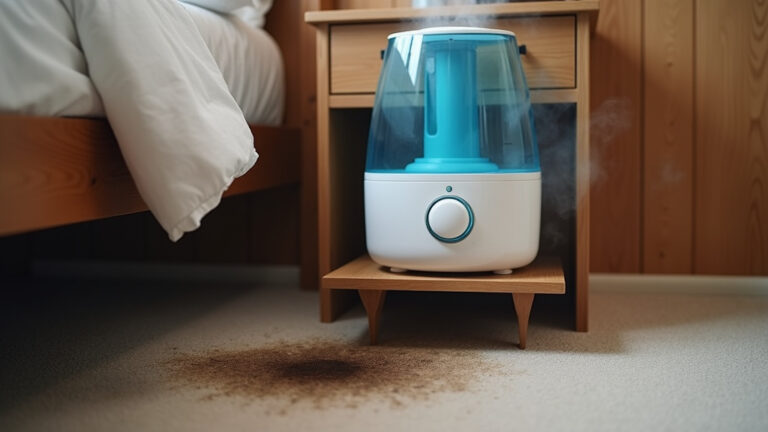
The problems are mechanical and chemical. In an ultrasonic diffuser, the high-frequency plate vibrates to create mist. The sugar and other solids in the extract don’t vaporize. They coat the plate and the interior of the water tank. After three or four uses, that coating hardens. The plate can’t vibrate properly, mist output drops by half, and the motor strains. I’ve pulled apart diffusers where the plate looked like it was coated in thin, amber-colored shellac.
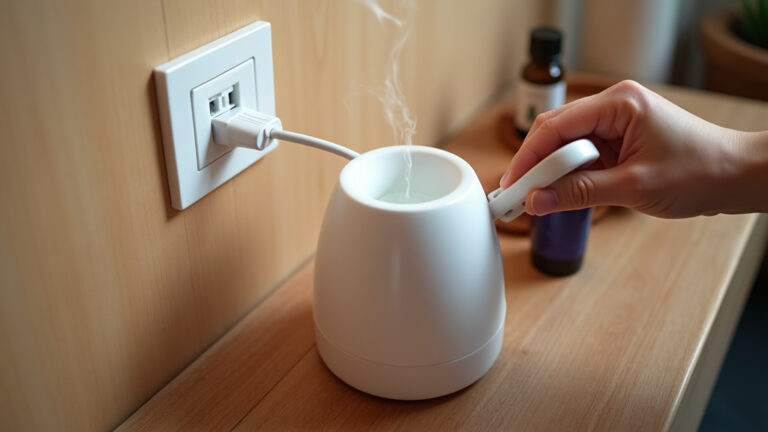
In a heat diffuser, the alcohol is the main concern. As the heating element warms the liquid, the alcohol evaporates first and fastest. This isn’t just inefficient; it’s a fire risk if the diffuser isn’t well-ventilated. What’s left behind is a sugary syrup that bakes onto the heating coil. That’s the source of the burnt smell. The coil overheats, the sugar carbonizes, and the diffuser is toast.
Common mistake: Thinking a “little bit” of extract mixed with water is safe, the sugar and alcohol are still present, and they will still concentrate and gunk up the mechanism over just 2-3 uses.
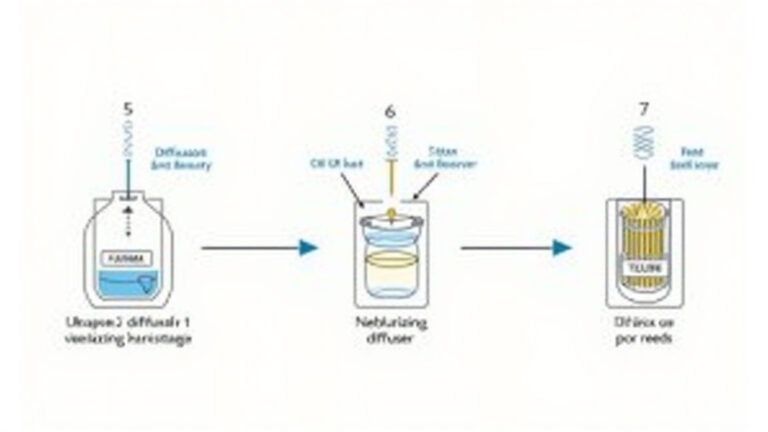
A nebulizing diffuser uses a pump to force air through pure essential oil. It has no water tank. Pouring any liquid extract into one will immediately flood and likely short-circuit the pump. The repair cost often exceeds the price of the unit.
Beyond the machine, there’s a health consideration. Inhaling aerosolized alcohol and artificial flavorings isn’t recommended. It can irritate respiratory passages. More insidiously, the sugary residue left in a damp ultrasonic diffuser tank is a perfect breeding ground for mold and bacteria. You might not see it, but you’ll eventually smell it, a musty, off note that ruins any scent you try to diffuse afterward.
| Diffuser Type | Primary Damage from Extract | Typical Failure Timeline |
|---|---|---|
| Ultrasonic | Sugar residue gums up the vibrating plate, reducing mist output. | Plate performance degrades within 5 uses; motor fails within 10-15 uses. |
| Heat | Alcohol evaporates quickly; remaining sugar caramelizes on heating element. | Burnt smell appears on 2nd-3rd use; element burns out shortly after. |
| Nebulizing | Liquid floods the air pump, causing an electrical short. | Immediate failure upon turning on. |
How to Safely Get a Vanilla Scent
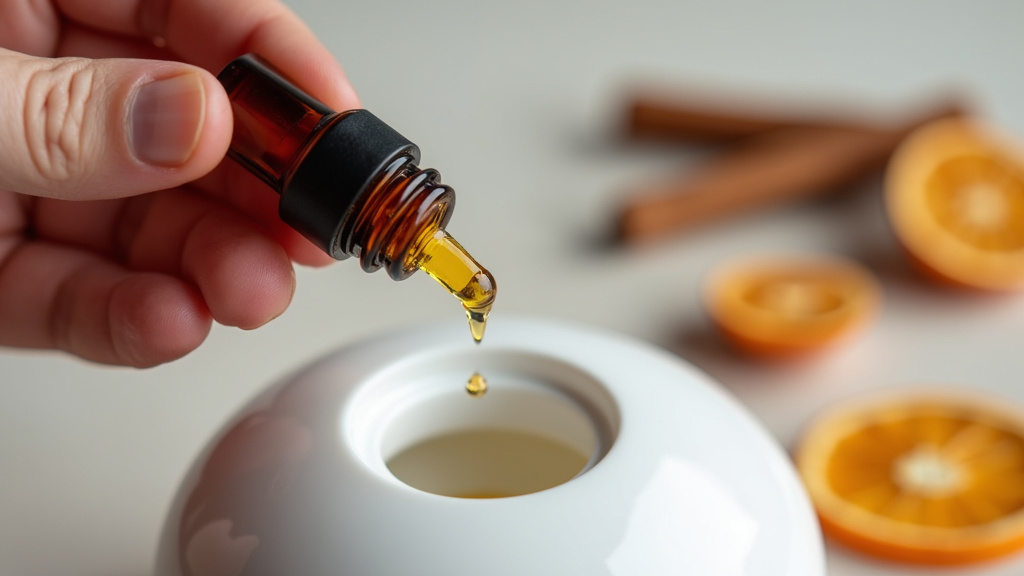
You have two reliable paths, and one risky workaround. The first and best option is vanilla absolute. It’s pricey, a 2ml bottle can cost as much as a 4oz bottle of extract, but it’s the real deal. A single drop in an ultrasonic diffuser filled with water will scent a large room. It blends beautifully with citrus oils like orange or warm spices like cinnamon.
The second option is a vanilla fragrance oil labeled for diffuser use. These are synthetic but engineered to be safe in diffusers. They contain no sugar, water, or evaporative alcohol. They’re consistent, affordable, and won’t gunk up your machine. Read the label: if it says “for oil burners” or “for soap making,” it might be too thick for an ultrasonic diffuser.
The workaround, which I don’t recommend for machine longevity, is a heavily diluted homemade extract. If you must try it, use only a extract you made yourself (vanilla beans in high-proof vodka, no sugar added). Add one drop of this extract to a full tablespoon of a carrier oil like fractionated coconut oil, then add that single drop of mixture to your diffuser water. The carrier oil helps suspend the alcohol. It’s a fussy process that still risks residue, and the scent throw is weak. It’s a last resort.
Here’s how to use vanilla absolute in a standard ultrasonic diffuser:
1. Fill the reservoir to the line with cool, filtered water. Hard water minerals can also build up.
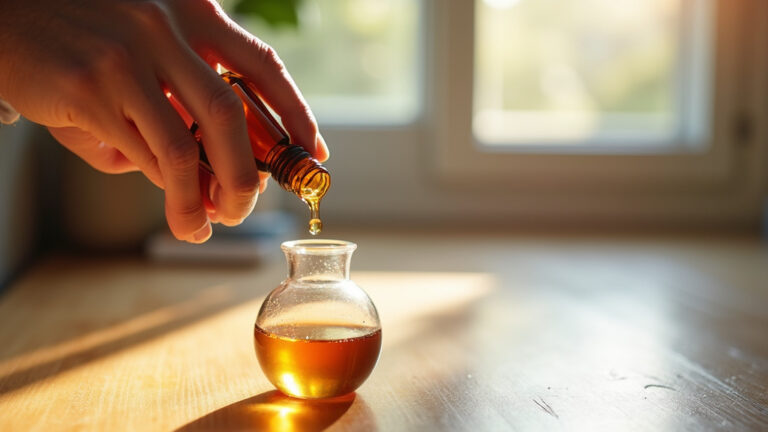
2. Add 3-5 drops of vanilla absolute. More is not better, it can overwhelm the scent and leave an oily film.
3. Replace the lid and turn on the diffuser. The scent will be rich and authentic, without any chemical or burnt notes.
4. Clean the diffuster after every 3-4 uses with white vinegar and a soft cloth to prevent any natural oil buildup.
Skipping the cleaning step lets oils polymerize on the plastic. That creates a permanent, dull film that traps future residues and dulls the scent diffusion.
The One Diffuser That Might Tolerate Extract (And Why You Still Shouldn’t)
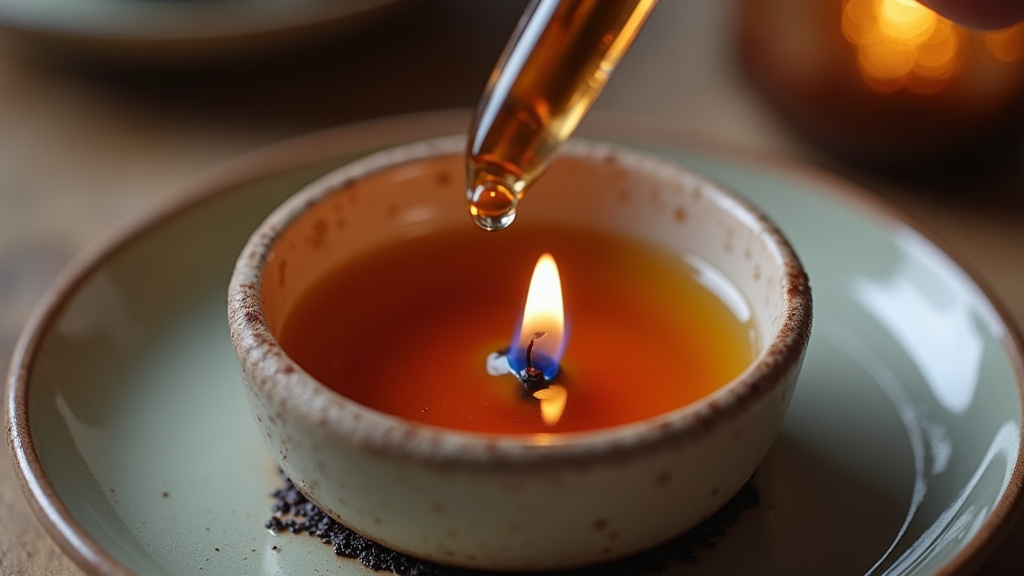
The only diffuser design that could theoretically handle vanilla extract is a simple, old-school tea light oil burner. These have a water bowl suspended over a candle. You could, in theory, mix a few drops of extract into the water. The alcohol would burn off, and the water would eventually evaporate, hopefully before the sugar scorches.
I tried this once with a cheap imitation extract. The room smelled like a cheap candle shop and burnt sugar for an hour. A ring of hard, black residue was cemented to the ceramic bowl. It took a razor blade and an hour of soaking to scrape it off. The risk of fire is also higher with the volatile alcohol so close to an open flame.
I used a single drop of store-bought imitation vanilla in a tea light burner. The flame flared blue for a second when the alcohol hit the hot water. A thin, black film coated the entire bowl by the time the water evaporated twenty minutes later. The ceramic was permanently stained. The scent was cloying and artificial. Never again.
It’s a messy, risky experiment with a low-quality result. If you’re using a tea light burner, use a few drops of vanilla absolute or fragrance oil mixed into a tablespoon of water. It’s safer, cleaner, and actually smells like vanilla.
Cleaning a Diffuser After Using Extract
If you’ve already put vanilla extract in your diffuser, stop. Unplug it. Here’s how to assess and potentially save it.
First, check your warranty. Using an unapproved substance like a culinary extract voids the warranty on nearly every major brand’s diffuser. Admitting you used vanilla extract to customer service will end the support call.
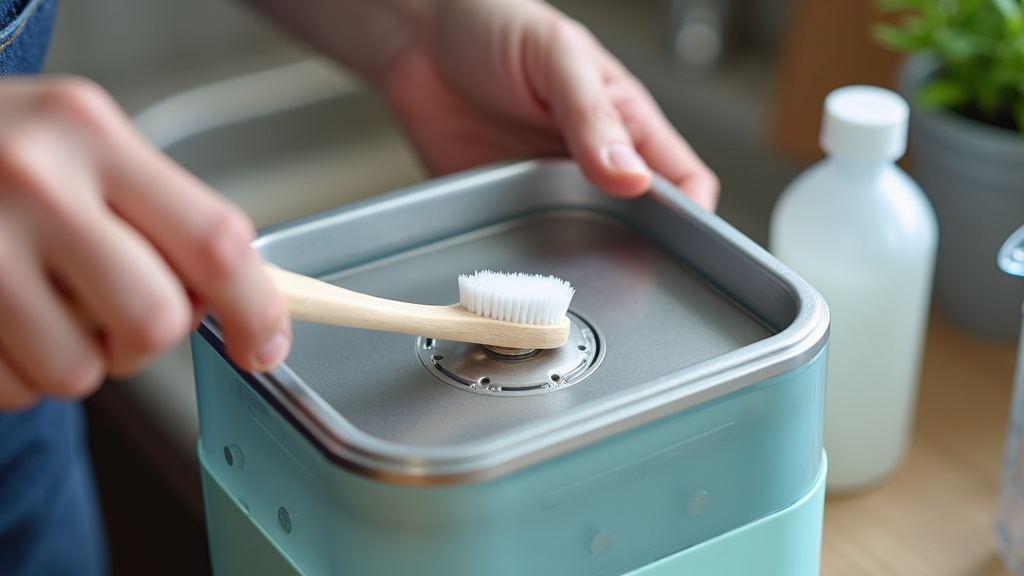
For ultrasonic models, disassemble what you can. Empty the tank. Make a cleaning solution of one part white vinegar to three parts warm water. Fill the tank halfway and let it soak for 30 minutes. Use a soft-bristled brush (an old toothbrush works) to gently scrub the vibrating plate and the tank walls. The vinegar helps dissolve the sugar and alcohol residue. Rinse thoroughly with water. Run the diffuser with clean water only for one cycle to clear any vinegar from the mechanism.
If the plate is still sluggish or noisy after cleaning, the residue has likely hardened. The diffuser’s performance will be permanently reduced.
For heat diffusers, the damage is often terminal. The baked-on sugar on the heating coil usually cannot be removed without destroying the coil. You can try wiping the accessible parts with a vinegar-dampened cloth, but if the burnt smell persists during operation, the unit is compromised.
TL;DR: A vinegar soak can save an ultrasonic diffuser if you act after one use. For heat diffusers, a burnt smell means the heating element is coated and the diffuser is likely broken.
Frequently Asked Questions
Can I mix vanilla extract with essential oils in my diffuser?
No. Adding essential oils to the mix doesn’t neutralize the extract’s damaging components. You’re just adding expensive oils to a solution that will gunk up your machine and dilute their effectiveness. The sugar and alcohol will still deposit residue.
What about using vanilla flavoring instead of extract?
Most vanilla flavorings contain the same problematic ingredients: water, alcohol, and sweeteners. Some may even contain propylene glycol or other additives that are worse for diffuser components. The rule is simple: if it’s made for consumption, it’s not made for diffusion.
Is vanilla essential oil safe for skin?
Pure vanilla absolute is safe for topical use when properly diluted in a carrier oil, typically at a 1-2% concentration. However, many products labeled “vanilla essential oil” are actually fragrance oils or diluted absolutes blended with other ingredients. Always do a patch test and buy from a reputable aromatherapy supplier who provides GC/MS test reports.
Why does my diffuser smell musty after using vanilla extract?
The sugar and other organic compounds in the extract create a biofilm inside the damp water tank. This biofilm is a perfect environment for mold and bacterial growth. The musty smell is microbial volatile organic compounds (mVOCs). This is why a deep clean with vinegar or isopropyl alcohol is critical after any accidental use of extract.
Can I use vanilla-scented candles or wax melts instead?
Yes, this is an excellent alternative. Scented candles, wax melts, or room sprays that use vanilla fragrance oils are designed to release scent through heat or aerosolization without damaging mechanical components. They bypass the diffuser entirely and eliminate the risk of damage.
Before You Go
Vanilla extract belongs in your cookie dough, not your diffuser. The difference between a kitchen staple and an aromatherapy product is more than just marketing, it’s a fundamental difference in formulation that protects your equipment and your health. Reaching for a vanilla absolute or a diffuser-safe fragrance oil guarantees the warm, comforting scent you want without the sticky, costly aftermath.
A broken diffuser from sugar residue isn’t typically repairable. It becomes electronic waste. Choosing the right product the first time saves you money and keeps another piece of plastic out of the landfill. Your nose, and your diffuser, will thank you.