Essential Oil Burner vs Diffuser: Compare & Pick the Best
This post contains affiliate links. As an Amazon Associate, we earn from qualifying purchases.
Choosing between an essential oil burner and a diffuser hinges on three things: scent intensity, room size, and whether you want therapeutic benefits or just a pleasant smell. Burners deliver a strong, immediate fragrance using heat; diffusers provide a steady, ambient aroma without altering the oil’s chemistry.
The mistake most people make is buying for price alone. They grab a cheap candle burner because it’s $15 and looks nice, then wonder why the room smells burnt after an hour or why their expensive lavender oil seems weak. Or they buy an ultrasonic diffuser for a large living room and can’t smell it beyond the couch.
This guide walks through the mechanics, costs, safety trade-offs, and specific oils that work, or fail, in each device. You’ll know which one fits your room, your budget, and your nose before you spend a dollar.
Key Takeaways
- Heat from an oil burner alters the molecular structure of essential oils, reducing their therapeutic properties. A 2020 study in the Journal of Environmental Health Research found cold diffusion retains up to 90% of original aromatic compounds.
- Nebulizing diffusers cover 500–1,500 sq ft and deliver scent 3–5 times stronger than ultrasonic diffusers, but they consume pure oil fast, a 15ml bottle can empty in a week.
- Candle burners pose a clear fire hazard if left unattended. Electric burners eliminate the flame but can still overheat oils and produce a burnt smell.
- Ultrasonic diffusers require weekly cleaning to prevent mold in the water tank and biofilm on the mist plate. Their ceramic disc degrades after 1–3 years, especially with hard tap water.
- Thick oils like patchouli, vetiver, and sandalwood will not diffuse well in an electric burner or ultrasonic diffuser. They often need dilution with a carrier oil or the direct heat of a candle.
How They Work: The Core Difference
Burners use heat. Diffusers don’t.
A traditional oil burner places a dish over a tea light candle. The flame heats the dish, which vaporizes the oil or wax melt inside. The scent releases immediately and intensely. An electric burner replaces the candle with a low-wattage bulb or heating plate, same principle, just a controlled heat source. The heat changes the oil. It breaks down some of the delicate aromatic compounds that give essential oils their therapeutic kick. That’s fine if you just want a nice smell. It’s a problem if you bought the oil for its claimed calming or focus properties.
Heat-based evaporation releases fragrance quickly but degrades the oil’s molecular integrity. For pure aromatherapy benefits, a cold diffusion method is superior.
A diffuser avoids heat. An ultrasonic diffuser uses a ceramic disc vibrating at 2.4 MHz to create a cool mist from water and a few drops of oil. A nebulizing diffuser, often called a cold-air diffuser, uses a pump to atomize pure oil into microscopic dry particles. Reed diffusers rely on capillary action: oil travels up porous sticks and evaporates at the tip. The ultrasonic method is gentle and adds humidity. The nebulizing method is potent and preserves the oil’s full profile. Reed diffusers are silent and simple, but their output is faint and confined.
TL;DR: Burners heat oils for quick, strong scent; diffusers use vibration, atomization, or evaporation for a steady, therapeutic aroma.
Burner Breakdown: Candle vs Electric
You have two paths here: the classic candle burner or the modern electric version. The choice isn’t about aesthetics. It’s about safety, control, and which oils you plan to use.
Candle burners are cheap and immediate. You’ll find ceramic, copper, or soapstone designs for $15 to $50. The tea light provides a consistent, moderate heat that works with most oils and wax melts. The flickering flame adds a ritualistic vibe. That’s the upside.
The downside is the open flame. Leaving it unattended, especially with pets or kids, is a documented fire hazard. The dish gets hot enough to burn skin. And if you’re using a thicker oil like patchouli or myrrh, the candle’s heat might not be sufficient to fully vaporize it, you’ll get a weak scent and a sticky residue.
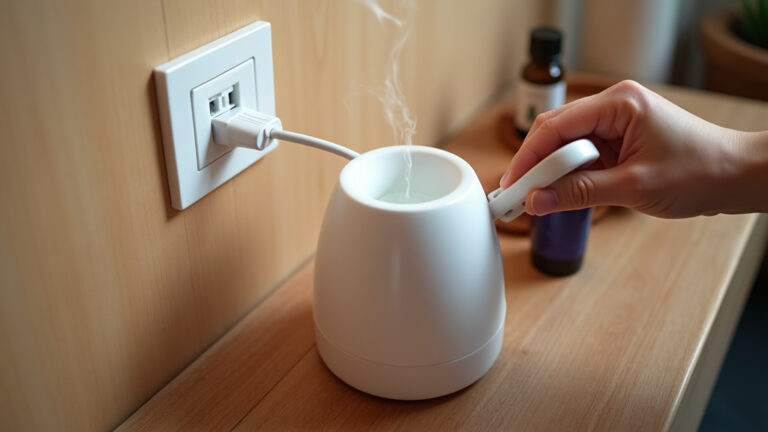
Electric burners cost more, typically $30 to $150. They use a low-wattage bulb or a heating plate, often below 10 watts. You plug them in, turn a dial, and get a consistent temperature. No flame means no fire risk. The hot surface remains a burn risk for children, but it’s a step safer.
Common mistake: Using thick essential oils like sandalwood in an electric burner without dilution, the oil pools, heats unevenly, and can produce a burnt, acrid smell within 20 minutes.
Electric burners have their own quirks. Some models use specialty bulbs that are hard to find and replace. Others can overheat if left on too long, scorching the oil and ruining the scent. They also accumulate hardened oil residue that requires scraping off with a blunt tool. Maintenance is lower than a candle burner’s weekly wipe-down, but it’s not zero.
| Burner Type | Best For | Risk If Skipped |
|---|---|---|
| Candle Burner | Quick, strong scent in a small room; creating a visual ambiance; using wax melts. | Leaving unattended causes a fire hazard within an hour. |
| Electric Burner | Flame-free homes with pets/kids; consistent temperature control; longer run times. | Overheating thick oils creates a burnt smell and can damage the heating element. |
If your goal is a strong, immediate fragrance in a bedroom or bathroom for a couple hours, a burner works. If you want that scent without a flame, go electric. But if you’re serious about the oils’ therapeutic claims, you’re already looking at a diffuser.
Diffuser Deep Dive: Ultrasonic, Nebulizing, and Reed
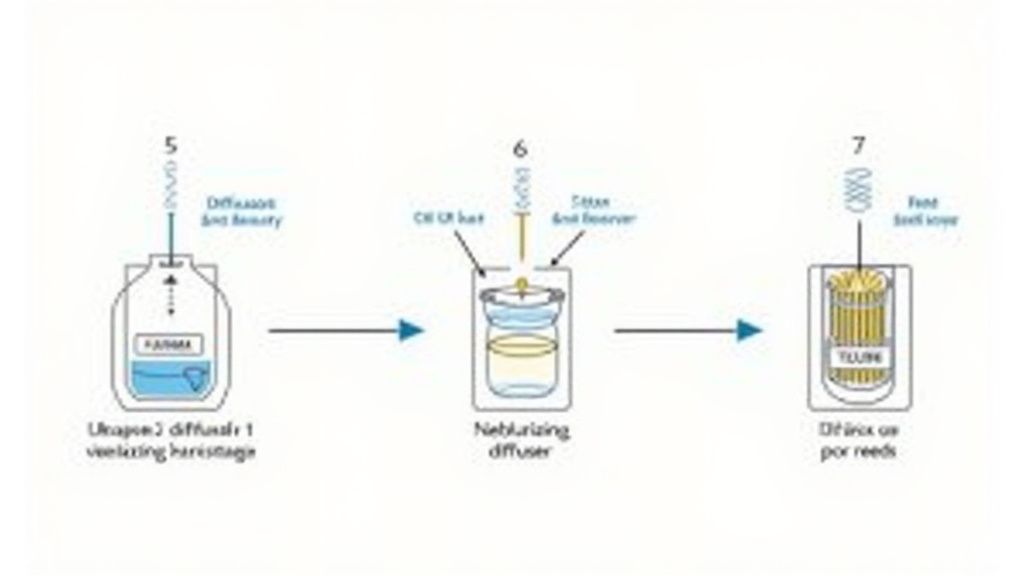
Diffusers split into three camps: ultrasonic, nebulizing (cold-air), and reed. Each serves a different room size, budget, and intensity level.
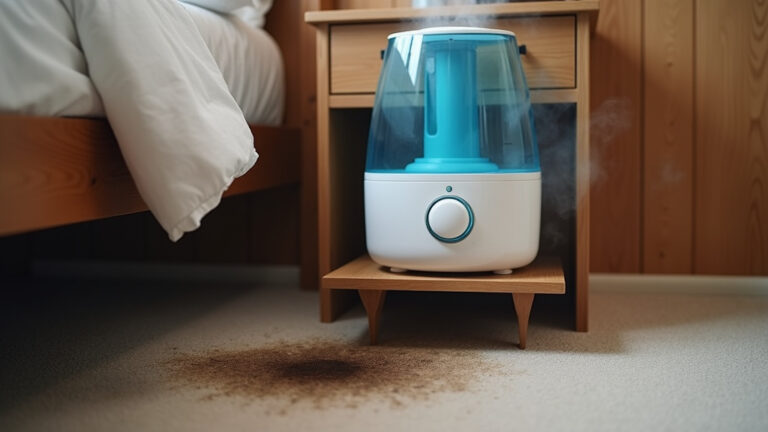
Ultrasonic diffusers are the entry point. They’re affordable, with devices like the Urpower 2nd Gen under $20 and higher-end models like the Vitruvi Stone around $120. They work by mixing water and oil, a few drops, and vibrating it into a cool mist. That mist is roughly 99% water and 1% fragrance. The scent is gentle, ambient, and humidifies the air. They’re whisper-quiet.
Their limits are clear. Coverage is 100 to 300 square feet. The scent fades beyond 20 feet and gets diluted by HVAC systems. They require weekly cleaning to prevent mold in the reservoir and a biofilm on the mist plate. Hard tap water calcifies the ceramic disc, degrading it within 1–3 years. Citrus oils can degrade cheap plastic tanks; medical-grade polypropylene (PP) tanks resist this.
Nebulizing diffusers are the heavy artillery. They atomize pure, undiluted oil into 1–3 micron particles that stay suspended in the air. No water, no heat. This preserves the oil’s full therapeutic integrity. Coverage is 500 to 1,500 square feet for standalone units; HVAC-integrated models can scent entire homes up to 15,000 square ft. The scent throw is 3–5 times stronger than ultrasonic.
The trade-offs are cost and consumption. Devices range from $60 to $800+. Aromawave models sit between $199 and $249. They consume oil fast, a 15ml bottle can empty in under a week with heavy use. Monthly oil costs run $40 to $100. They also produce a low mechanical hum. Their potency means they can overwhelm sensitive individuals, pets, or children if used irresponsibly in a small space.
Reed diffusers are silent and simple. A bottle of scented oil with porous sticks inserted. The oil travels up the reeds and evaporates. They’re completely silent, add no humidity, and are pet-safe with appropriate scents. They’re designed for tiny, still spaces like bathrooms or entryways, maybe 50 to 150 square feet.
Their weakness is olfactory fatigue. Your nose adjusts to the constant scent after 3–5 days, and you stop smelling it. The scent strength also drops noticeably halfway through the bottle. They’re an accessible entry point, but not a primary scenting tool for living areas.
TL;DR: Ultrasonic for small, humidified rooms; nebulizing for large, potent scenting; reed for silent, subtle spaces.
The Price Tag: Upfront and Ongoing Costs

Price isn’t just the sticker on the device. It’s the oil you’ll burn through every month. Most comparisons miss the ongoing cost, the one that bites you three months in.
Here’s the real breakdown.
| Device | Upfront Cost | Monthly Oil Cost | Maintenance Cost/Time |
|---|---|---|---|
| Candle Burner | $15 – $50 | Low ($5–$10 for oils, $2 for tea lights) | Weekly wipe-down; 5 minutes. |
| Electric Burner | $30 – $150 | Low ($5–$10 for oils) | Monthly scraping; 10 minutes. |
| Ultrasonic Diffuser | $15 – $140 | Very low ($20–$50/year) | Weekly cleaning; 15 minutes. |
| Nebulizing Diffuser | $60 – $800+ | High ($40–$100/month) | Monthly cleaning; 5 minutes. |
| Reed Diffuser | $60 – $120 | Moderate ($30–$60/year) | Flip reeds weekly; 1 minute. |
A candle burner looks cheap. But if you use it daily, you’re buying tea lights every week and oils every month. The $15 device becomes a $10-a-month habit. An ultrasonic diffuser might cost $50 upfront, but its oil efficiency, a few drops per session, keeps monthly costs under $5. That’s the hidden win.
Nebulizing diffusers flip the script. A $200 device is a serious investment. Then you’re pouring $40 to $100 worth of pure oil into it each month. If you run it for 8 hours a day, a 15ml bottle lasts a week. That’s not an oversight, it’s the design. They’re for spaces where scent intensity is the priority, not frugality.
Reed diffusers sit in the middle. The device itself isn’t cheap ($60–$120), but a 6-ounce bottle evaporates over 2–4 months. Your yearly oil spend is $30–$60. The catch is the scent fade. You’re paying for a subtle aroma that you might stop noticing after a few days.
I bought a mid-range nebulizing diffuser for my open-plan living room. The first month, I burned through two 15ml bottles of lavender, about $80 worth. The scent was incredible, filling the entire 800 sq ft area. But by the second month, I realized I needed to run it only during evenings or weekends to keep costs sane. The upfront device price was just the entrance fee.
Budget for the oil, not just the box.
Safety, Maintenance, and Oil Compatibility
This is where most guides gloss over the consequences. Each device has a failure mode, and a timeline for when it happens.
Safety first. Candle burners have an open flame. Leave one unattended for an hour near a curtain or a pet, and you have a fire. Electric burners eliminate the flame, but their heating plate stays hot enough to burn skin for 30 minutes after power-off. Nebulizing diffusers are generally safe, but their potent output can cause respiratory irritation in sensitive people or pets if used in a small, enclosed room. Ultrasonic diffusers are the safest overall, no heat, no flame, low output. But their water tanks can develop mold if not cleaned weekly, which you then breathe in.
Maintenance schedules are non-negotiable.
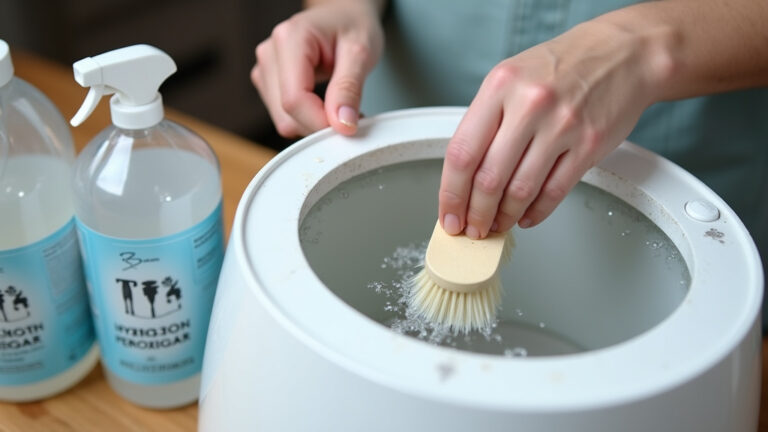
1. Ultrasonic diffusers: Clean the water tank and mist plate every week with a vinegar solution. Skip a week, and you’ll see a slimy biofilm on the plate. After three weeks, the mist output drops by half.
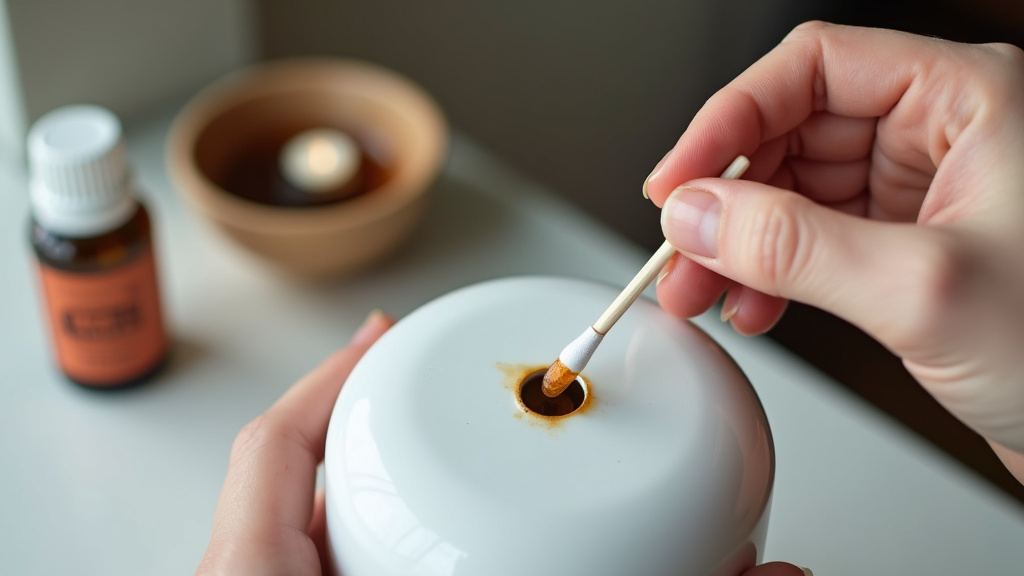
2. Nebulizing diffusers: Clean the atomizer nozzle and oil reservoir every 1–3 months with a cotton swab and isopropyl alcohol. Let residue build up for six months, and the pump will clog, requiring a $50 replacement.
3. Candle burners: Wipe the dish after each use to remove wax residue and soot. Let soot accumulate for ten uses, and it becomes a baked-on crust that discolors the ceramic.
4. Electric burners: Scrape hardened oil off the heating plate monthly with a blunt plastic tool. Ignore it for three months, and the next oil session will smell burnt from the carbonized residue.
Oil compatibility decides whether your device works or fails. Ultrasonic diffusers require water-compatible oils. Thick, waterless fragrance oils will clog the ceramic disc and can damage the device. Nebulizing diffusers need pure essential oils or concentrated, waterless fragrance oils. Using a regular, water-compatible oil in a nebulizer results in weak scent and faster consumption. Candle and electric burners can handle most oils, but thick ones like patchouli, vetiver, sandalwood, myrrh, and frankincense may not diffuse fully. They often need dilution with a carrier oil or the direct flame heat of a candle to vaporize properly.
Common mistake: Putting vanilla extract or perfume in an ultrasonic diffuser, the thick, sugary liquid gums up the ceramic disc within two sessions, requiring a deep clean with isopropyl alcohol to restore mist output.
Choosing the wrong oil for your device isn’t just a weak scent. It’s a repair bill.
Which One Should You Buy?
Match the device to your room size, your budget for oils, and whether you care about therapeutic benefits.
For a small bedroom or office under 200 sq ft, a candle or electric burner wins. You get strong, immediate scent for a low upfront cost. The ritual of a flickering flame or the control of a dial fits a personal space. If you have pets or kids, pick the electric version.
For a living room or open-plan area up to 400 sq ft, an ultrasonic diffuser is the balanced choice. It humidifies, provides a gentle ambient scent, and keeps oil costs minimal. It’s safe, quiet, and low-maintenance if you commit to the weekly clean. This is the device for daily use.
For a large space over 500 sq ft, or for targeted aromatherapy, a nebulizing diffuser is the only option that delivers. The scent covers the area, preserves the oil’s properties, and doesn’t add humidity. Budget for the higher oil consumption, it’s part of the design. Never run it in a small bedroom; the concentration can be overwhelming.
For a bathroom, entryway, or small closet, a reed diffuser works. It’s silent, adds no humidity, and requires no power. Accept that the scent will be subtle and that you might stop noticing it after a few days.
If you’re unsure, buy a cheap candle burner and a mid-range ultrasonic diffuser. Test both for a week. You’ll feel the difference in intensity, coverage, and oil use within days.
Frequently Asked Questions
Can I use the same oils in both a burner and a diffuser?
Yes, but with caveats. Thick oils like patchouli and sandalwood work better in a candle burner than in an electric burner or ultrasonic diffuser. Water-soluble oils are mandatory for ultrasonic diffusers. Nebulizing diffusers require pure, undiluted oils. Always check the oil’s viscosity and the device’s specifications.
Which is safer for homes with pets and children?
Electric burners and ultrasonic diffusers are the safest choices. Electric burners remove the open flame but still have a hot surface. Ultrasonic diffusers have no heat, no flame, and a cool mist. Avoid candle burners and nebulizing diffusers in small rooms with pets, the flame risk and potent aroma concentration are concerns.
Do diffusers or burners use more electricity?
Electric burners consume minimal power, often below 10 watts. Ultrasonic diffusers use similar low wattage. Nebulizing diffusers have a small pump but still draw less power than a nightlight. The electricity cost is negligible compared to the oil cost.
How long does the scent last from each device?
candle burner’s scent is intense but fades within 30 minutes after the candle burns out. An electric burner’s scent lasts as long as the heating plate is on, usually 1–2 hours. An ultrasonic diffuser’s scent persists while the mist runs, but it’s diluted and gentle. A nebulizing diffuser’s scent lingers in the air for hours after shutdown due to the dry particle suspension.
Can I leave a diffuser or burner on overnight?
Never leave a candle burner unattended, especially overnight. An electric burner can be left on if it has an auto-off timer, but the hot surface remains a risk. Ultrasonic diffusers with auto-off timers (usually 4–8 hours) are safe for overnight use in bedrooms. Nebulizing diffusers are potent; running them overnight in a small room can overwhelm sleepers.
The Bottom Line
Burners give you a strong, immediate scent for cheap, but they trade off safety and alter the oils. Diffusers offer steady, therapeutic aroma with better safety and coverage, but they cost more upfront and require stricter maintenance.
Pick a burner if you want a quick fragrance hit in a small space and don’t mind the heat trade-off. Pick an ultrasonic diffuser for daily, gentle scenting in a medium room. Pick a nebulizing diffuser when scent intensity and therapeutic integrity are non-negotiable for a large area. Your room size, oil budget, and tolerance for cleaning schedules decide the winner.