Does a Fog Machine Make the Floor Wet? The Straight Answer
This post contains affiliate links. As an Amazon Associate, we earn from qualifying purchases.
Yes, a fog machine can make your floor wet. The vaporized fluid particles cool, condense, and settle on surfaces. The wetness depends entirely on three things: the type of fog fluid you use, the machine’s placement and output, and the ventilation in the room.
Most people assume the fog just magically disappears into the air. They don’t realize it’s a physical substance that has to go somewhere. It lands. That’s when you get the slick, shiny patch on the hardwood or the damp feeling on concrete.
This guide breaks down exactly which setups create wet floors, which ones are safer, and the concrete steps to run a fog machine without turning your venue into a slip-and-slide.
Key Takeaways
- Water-based fluids are your safest bet for minimal residue. Glycol-based fluids last longer but leave a noticeably slicker film on floors.
- Low-lying fog is the biggest culprit for wet floors. Machines that chill the fog force it to settle, and that moisture concentrates in a small area, usually within three to six feet of the outlet.
- Placement and airflow decide everything. A machine pointed across a cold, polished floor will coat it. A machine near an open door or fan will keep the fog airborne and dispersing.
- The floor material changes the risk. Polished concrete and sealed hardwood show wetness instantly and become slippery. Carpet hides moisture but can hold residue and odors.
- Test for ten minutes before your event. Run the machine in its planned position. Walk the floor in socks, you’ll feel the damp spots before you see them.
How Fog Machines Actually Work (And Where the Water Comes From)
A fog machine doesn’t create smoke. It heats a specialized fluid, usually a mix of water and glycol, inside a heat exchanger until it vaporizes. This hot vapor gets pumped out of the nozzle. When that hot vapor hits the cooler room air, it condenses into billions of tiny liquid droplets. We see that as fog.
The fog you see is literally a cloud of microscopic liquid droplets suspended in air. Given enough time and the right surface conditions, those droplets will coalesce and settle, just like morning dew on grass.
The machine’s job is to keep those droplets tiny and airborne. If the droplets get too big, or if they hit a cold surface, they fall out of suspension. That’s the “wet” part. Standard fog machines produce a warm fog that wants to rise. Low-lying fog machines or fog chillers work by cooling that fog as it exits, making it heavier than air so it rolls and settles along the ground. That second type is designed to make contact with the floor.
TL;DR: Fog is made of liquid. If it doesn’t evaporate back into the air fast enough, it lands on your floor as moisture.
The Two Types of Fog That Actually Cause Wet Floors
Not all fog is created equal. You can run one machine for an hour on a dry floor and another for five minutes and create a puddle. The split comes down to the formula and the intended effect.
Water-Based Fog: This is your standard theatrical fog juice. It’s primarily distilled water with a small percentage of glycol. The fog it produces is designed to be “dry”, the droplets are extremely fine and evaporate quickly. In a well-ventilated space, you might get a faint, dusty residue over hours, but not outright wetness. This is the go-to for indoor stages and haunted houses where people will be walking through the effect.
Glycol-Heavy or Oil-Based Fog: These dense fog solutions are built for volume and longevity. They have a higher glycol or mineral oil content. The fog is thicker, hangs longer, and looks incredible for photography. The trade-off is that the droplets are larger and heavier. They settle faster. This fog leaves a greasy, slick film on floors, windows, and equipment. It’s the kind that makes you think, “Why is everything so sticky?”
| Fog Type | Best For | Floor Wetness Risk | Cleanup Needed |
|---|---|---|---|
| Water-Based | Indoor events, theaters, near audiences | Low to Moderate. Fine residue possible. | Damp wipe for smooth floors. Vacuum for carpets. |
| Glycol-Heavy | Outdoor concerts, film shoots, large venues | High. Leaves a slick glycol film. | Soap and water washdown. Glycol is slippery. |
| Dry Ice Fog | Low-lying ground effects, stages | Very High, but localized. Pure water vapor condenses fast. | Towel dry a 3–6 ft. area in front of the machine. |
The choice is simple. If your priority is a dry floor, you reach for a trusted fog machine fluid from a brand like Froggy’s or Chauvet. If you need that dense, rolling cloud for a music video and don’t care about the aftermath, you use the heavy formula. Most problems start when someone uses a fluid for low-lying effects in a standard machine, or vice-versa, without understanding the output.
5 Factors That Turn Fog Into a Slip Hazard
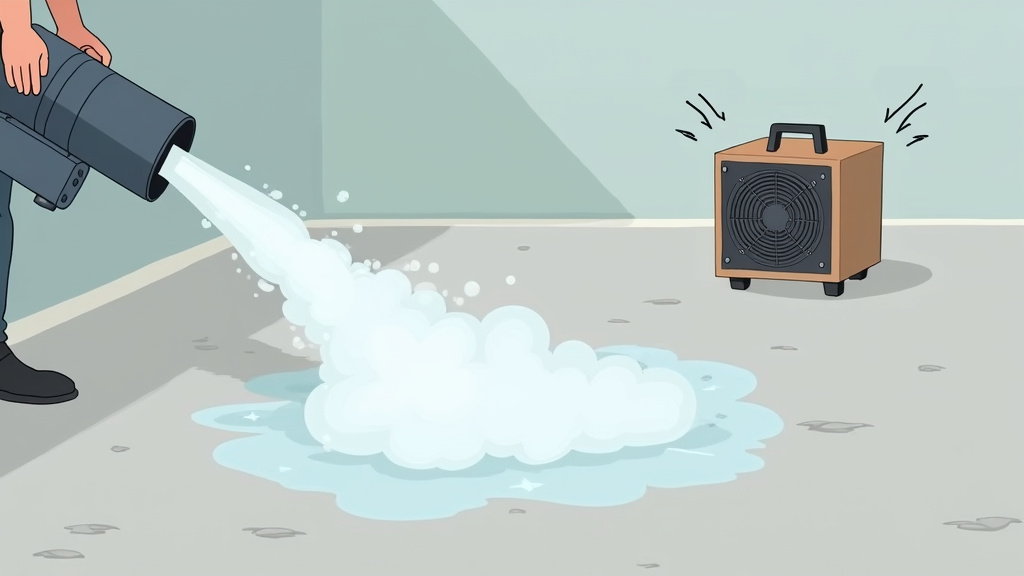
Fog doesn’t automatically mean wet. These five factors combine to create the problem.
- Poor Ventilation. This is the number one amplifier. Stagnant air lets fog pool. The droplets have all the time in the world to drift down, combine, and settle on your floor. A single open door or a box fan changes the entire equation by keeping the air moving.
- Cold Floors. Fog condenses on cold surfaces. A concrete slab floor in a basement venue will suck the heat out of the fog, causing rapid condensation. That same machine on a warm, carpeted stage might show no wetness at all.
- Machine Placement. Pointing the nozzle downward or placing the machine directly on the floor is asking for trouble. You’re aiming the stream of vaporized fluid at the ground. Always elevate the machine and angle the output upwards, letting the fog diffuse into the room.
- Excessive Output and Duration. Running the machine at full blast for a continuous ten minutes will overwhelm the room’s ability to absorb and evaporate the moisture. Short bursts are always drier than a constant plume.
- Wrong Fluid for the Machine. Using a cheap, off-brand fluid or a specialized low-lying fluid in a machine not designed for it can produce a “wet fog.” The fluid may not vaporize completely, spitting out larger droplets that fall straight down.
Common mistake: Placing a fog machine in a corner to hide it, the fog hits the walls, cools instantly, and drips down, creating a wet perimeter that people slide into along the edges of the room.
I learned this the hard way at a small club gig. We used a glycol-based fog liquid in a low-ceilinged room with zero airflow. After thirty minutes, the DJ booth’s vinyl floor was like an ice rink. The laptop nearly slid off the table. We had to stop the music and throw down every bar towel we could find. Now I bring a small fan to every indoor job. It’s non-negotiable.
How to Stop Your Fog Machine From Making a Mess
Prevention is straightforward. It’s about control and anticipation.
Before The Event:
- Do a wet test. Fill your machine with water-based fluid. Run it for five minutes in the actual venue. Wait two minutes, then walk the area in socks. Your feet will detect dampness your eyes miss.
- Check your fluid. Is it clear and within its fluid shelf life? Old, separated fog juice burns poorly and creates more particulate fallout.
- Plan your airflow. Identify where you can create a cross-breeze. Even a small fan pointed at the ceiling can circulate air effectively.
During The Event:
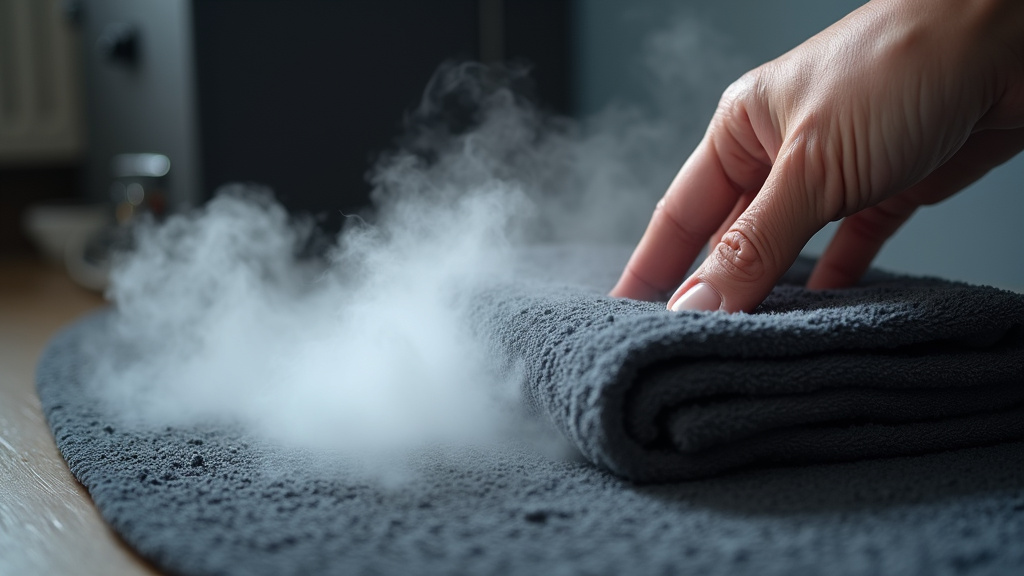
- Lay down physical barriers. For any low-lying fog machines, place dark-colored towels or a low-pile mat directly in front of the output. It will catch the initial condensation blast.
- Use non-slip mats in high-traffic zones. Doorways, dance floors, and pathways to the bar. This isn’t overkill; it’s basic fog machine safety.
- Operate in bursts. Use the remote for 3-5 second pulses instead of holding the button down. This gives the fog time to disperse between volleys.
After The Event:
- Wipe smooth floors while they’re slightly damp. A dry microfiber cloth will just smear the residue. A lightly dampened cloth picks it up cleanly.
- Vacuum carpets the next day. Let the fog particles fully dry overnight, then vacuum thoroughly. This prevents a sticky film from setting into the fibers.
- Follow proper machine cleaning tips. If you’re not using the machine for a while, don’t just leave juice in the tank. Pump water through it to clear the lines and pump.
TL;DR: Test with water-based fluid, force air to move, protect the floor where fog settles, and clean up while the residue is fresh.
Will Fog Ruin My Hardwood Floors or Carpet?
This is the long-term worry. The answer depends on the fluid and the exposure.
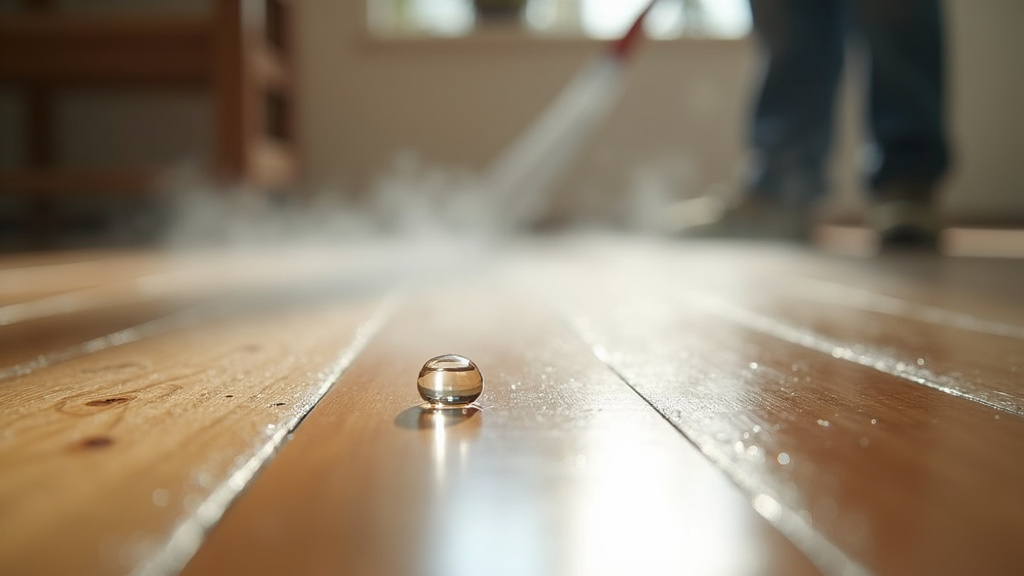
Hardwood & Sealed Floors: A few events with water-based fog won’t harm a polyurethane finish. The real danger is the slip hazard, not damage. However, repeated, heavy use of glycol-based fluids can leave a stubborn, hazy film that requires a dedicated cleaner to remove. It won’t “ruin” it, but it will dull it.
Carpet: The risk here is hidden. Fog particles settle deep into the pile. If they’re from a water-based fluid, they’ll dry and can be vacuumed. If they’re from a glycol fluid, they create a sticky layer that attracts dirt and can lead to odors over time. You might not see it, but you’ll feel it underfoot, a slight tackiness.
Concrete & Tile: These are the most forgiving. Wetness is obvious and slippery, but cleanup is easy with a mop. Residue from quality fog liquids typically doesn’t stain.
The rule is this: assume every fog session leaves a trace. Plan to clean that trace. For home users, this means a quick wipe-down. For venues running weekly events, it means a deeper, scheduled maintenance clean. Ignoring it lets the residue build up, and that’s what causes permanent dulling or staining.
Frequently Asked Questions
Can I make a low-lying fog without getting the floor wet?
No, not truly. Low-lying fog works by chilling the fog so it sinks and hugs the floor. That chilling process forces condensation. The wetness is localized, usually within a six-foot radius of the machine, but it will be there. Manage it with towels and mats.
Does dry ice fog make the floor wetter than a regular fog machine?
Yes, but differently. Dry ice fog is pure water vapor condensing in extremely cold air. It creates a very dense, low cloud that dissipates quickly, leaving behind pure water. The floor gets wet with clean water in a concentrated area, not with a glycol film. It dries faster and cleaner, but the immediate slip risk is high.
How long does it take for fog machine residue to make a floor slippery?
It can happen in under a minute with a low-lying fog machine pointed at a cold floor. With a standard machine and poor ventilation, you might have 10-15 minutes before a sheen develops. The first sign is a loss of foot traction, not visible puddles.
Is the residue from fog machines toxic?
High-quality, brand-name fog fluid is non-toxic and non-hazardous when used as directed. The residue is generally just water and glycol. However, breathing excessive amounts of any particulate can cause respiratory irritation, and slick floors are a physical hazard. Always prioritize ventilation.
Can I just use a hazer instead to avoid wet floors?
Hazers are a great solution. They produce an ultra-fine, dry mist designed to hang in the air and make light beams visible. They produce negligible fallout and are the professional choice for long-duration events where floor safety is critical. They are, however, more expensive than standard fog machines.
The Bottom Line
A fog machine will make your floor wet if you let it. The formula is simple: heavy fluid plus still air plus cold floors equals a slip hazard.
Your move is just as simple. Use a reputable water-based fog machine fluid. Test your setup before the crowd arrives. Move air through the space. Put a mat down where the fog touches the ground. That’s the difference between a stunning effect and an incident report.
Fog is a tool. Respect its physical properties, and you get the magic without the mess. Ignore them, and you’re mopping up more than just water.