Yes, you can use snow machines indoors. However, there are important factors to consider. Adequate ventilation is crucial to prevent a buildup of snow particles in the air. Additionally, be mindful of potential condensation on surfaces, and promptly wipe down any areas that become wet.
Snow machines can shoot snowflakes up to 15-20 feet into the air, creating a mesmerizing effect as they gently fall to the ground. With proper precautions, you can successfully create a realistic winter wonderland indoors using a snow machine.
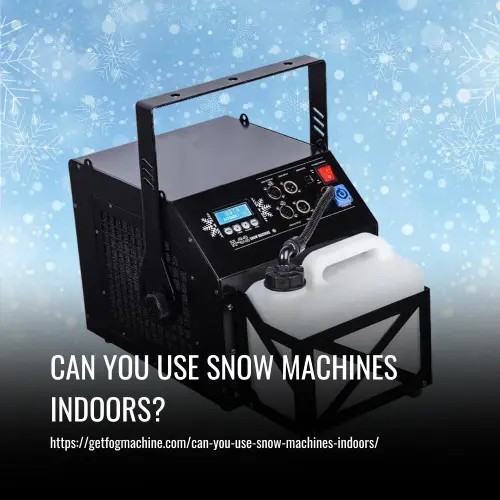
How to Use a Snow Machine Indoors
Using a snow machine indoors can create a magical winter wonderland atmosphere for events or productions. However, it is essential to follow specific guidelines to ensure a safe and successful indoor snow experience.
1. Get the right snow machine
Not all snow machines are suitable for indoor use. It is crucial to choose a snow machine specifically designed for indoor use. These machines are designed to produce fake snow that is less likely to melt and make surfaces wet, ensuring a cleaner indoor environment.
2. Ensure proper ventilation
Adequate ventilation is critical when using a snow machine indoors. The smoke emitted by the machine can quickly fill up a room, leading to poor air quality. To prevent this, open windows and doors to allow the smoke to escape. Additionally, using fans can help circulate the air, ensuring a better distribution of the snow effect.
3. Watch out for condensation
When using a snow machine indoors, a significant amount of water vapor is produced, which can condense on walls and surfaces. To prevent water stains and damage, it is essential to remove any items that may get wet, such as carpets or furniture, from the immediate vicinity. Additionally, be sure to wipe down any surfaces that may come into contact with the generated moisture.
Ideas For Indoor Snow At A Special Event
Indoor snow machines offer endless possibilities for creating a magical atmosphere at special events. Whether it’s a wedding, birthday party, or holiday celebration, here are some exciting ideas to inspire your event planning:
1. Silent Snowfall over the First Dance at a Wedding
Enhance the romance of the first dance by adding softly drifting snowflakes. This enchanting touch will make the moment even more memorable and provide a stunning backdrop for photographs.
2. A Magnificently Magical Wedding Send-off
Create a breathtaking farewell for the newlyweds by showering them with a fabulous flurry of artificial snow. This unique send-off idea will leave a lasting impression and serve as a symbol of their journey into wedded bliss.
3. Surprise Snow for a Birthday Party
Surprise and delight guests at a birthday party with the interactive element of faux snow. With an indoor snow machine, you can turn any venue into a winter wonderland, making the celebration truly unforgettable.
4. A Festive Touch for a Holiday Party
Add a touch of seasonal magic to your next holiday party with an indoor snow machine. Whether it’s snowing over the dance floor, welcoming guests, or creating a grand finale, the snowy ambiance will bring the holiday spirit to life.
How to Get the Right Indoor Snow Machine
When it comes to creating a winter wonderland indoors, choosing the right snow machine is crucial. Here are some key factors to consider when selecting an indoor snow machine:
1. Size of the venue
The size of your venue will determine the size of the snow machine you need. Different snow machines come in various capacities, so it’s important to choose one that can effectively cover the intended area.
2. Type of event
The type of event you’re hosting will also influence your choice of snow machine. For small, private events, a compact machine may suffice. However, for large public gatherings or shows, a more powerful snow machine that can cover a larger area is necessary.
3. Type of snow produced
Snow machines can produce different types of snow, such as real snowflakes or fake snow. Consider the effect you want to create and the preferences of your guests. You can even opt for hypoallergenic or biodegradable snow for added environmental and safety considerations.
4. Snow fluid selection
The type of snow fluid you choose will affect the quality and texture of the snow produced. Some snow fluids are scented, while others are non-scented. It’s important to select a snow fluid that suits your event and caters to any specific sensitivities or allergies.
By carefully considering these factors, you can ensure that you choose the right indoor snow machine for your event. Whether it’s a wedding, birthday party, or holiday celebration, the right snow machine will help you create a magical and unforgettable experience for your guests.
Indoor Snow Machine Safety Tips
Using a snow machine indoors can create a magical winter atmosphere, but it’s important to prioritize safety. Here are some essential tips to ensure the safe use of an indoor snow machine:
1. Check the snow machine cord for damage
Before using the snow machine, carefully inspect the cord for any signs of frayed wires or other damage. If you notice any issues, do not use the machine and have it repaired by a professional.
2. Follow the manufacturer’s instructions
Each snow machine is unique, so it’s crucial to thoroughly read and understand the manufacturer’s instructions. Adhering to these guidelines will help you operate the snow machine safely and effectively.
3. Use the correct snow fluid
It’s crucial to use the specific snow fluid recommended for your snow machine. Using the wrong type of snow fluid can damage the machine or reduce its effectiveness. Follow the manufacturer’s recommendations to ensure optimal performance.
4. Perform a test run
Before your event, conduct a test run with the snow machine. This step allows you to identify any potential issues or malfunctions and gives you the opportunity to fix them before the actual event.
5. Keep an eye on the snow machine
While the snow machine is in use, monitor it closely to ensure proper functioning. If you notice any problems or malfunctions, immediately turn off the machine and address the issue before continuing to use it.
6. Stop using the snow machine if it smokes
If you see smoke coming from the snow machine, stop using it immediately and unplug it from the power source. Allow it to cool down, and then seek professional repairs before using it again.
By following these safety tips, you can enjoy the magical ambiance of an indoor snow machine while ensuring the well-being of your event and attendees.
FAQs
Yes, it is possible to use a snow machine indoors, but there are some things you need to take into consideration first.
In fact, depending on the quality of the snow machine, artificial snow can be as good as natural snow. It is therefore safe and non-toxic and can be used for decorations, window dressing, and stage performances, usually in combination with fans, to give a controlled snowfall.
On a carpet, it will dry and not stain, but on a highly polished floor, it can become slippery. To avoid that, put the machine as high above the floor as possible, as the farther the snow travels, the faster it will evaporate and leave a dry floor.
Fake snow evaporates after a while, leaving no mess, although as most of the snow will fall to the ground, this could mean some surfaces may become slippery when wet.
Another consequence of snow machines is noise pollution. A high-pressure compressor produces 115 decibels of noise.
For indoor events, we create a finer falling snow effect using snow fluid that is fast-drying; it will evaporate within seconds of touching the ground, making it incredibly safe and leaving you with no clean up! Ideal for indoor Christmas Parties where you want to bring the Snow indoors!
Snow machines can be used in small spaces, but you need to choose the right one for the space. Be sure that the snow machine you choose is appropriate for the size of your indoor space.
The type of snow produced by a snow machine will depend on the type of snow fluid used. Various types of snow fluids available can produce different types of snow. Be sure to carefully choose the right snow fluid for your needs.
An outdoor snow machine can be used indoors, but you need to ensure you are not damaging anything with the snowflakes, especially if the snow is real.
Conclusion
Using snow machines indoors is indeed possible and can create a magical and festive atmosphere for various events. The quality of artificial snow produced by snow machines can be on par with natural snow, making it safe and non-toxic for indoor use. While some precautions should be taken to avoid slippery floors and noise pollution, these can be easily managed with proper placement and selection of the right snow machine for the space.
Additionally, using fast-drying snow fluid allows for quick evaporation, leaving no mess behind and making it ideal for indoor events and parties. The type of snow produced can also be controlled by choosing the appropriate snow fluid. Overall, with careful consideration and planning, snow machines can be a fantastic addition to indoor gatherings, bringing the joy and beauty of snowflakes to any occasion.