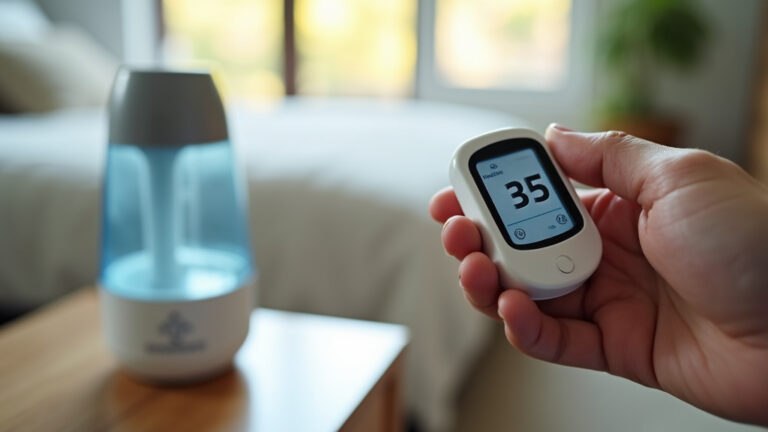
Can You Humidify a Room with Just a Bowl of Water? We Test
This post contains affiliate links. As an Amazon Associate, we earn from qualifying purchases.
To humidify a room with a bowl of water, you must maximize evaporation by using a wide, shallow bowl, placing it near a heat source or in moving air, and optionally adding a cloth wick. This method adds moisture through basic physics, but its impact is minimal, typically raising humidity by a few percentage points in a small, enclosed space.
Most people get this wrong by expecting a single small bowl to transform a large living room. They place a drinking glass on a side table and wonder why their skin still feels like parchment. The effect is real but tiny, a whisper of humidity against a shout of dry air.
This guide walks through the exact physics, shows you how to squeeze every drop of potential from the method, and gives you the clear signs that it’s time to buy a real humidifier. We’ll cover placement, maintenance, and what you’re actually protecting in your home.
Key Takeaways
- A standard bowl evaporates about 50–150 ml (1.7–5 oz) of water per day. An electric humidifier can vaporize 200–400 ml per hour. The scale difference is why bowls feel ineffective.
- The goal is 30–50% relative humidity. Below 30%, you feel dry; above 50%, mold risk climbs. A bowl alone rarely hits this target outside a very small room.
- Wide, shallow bowls win. Surface area drives evaporation. A pie plate outperforms a deep soup bowl with the same water volume.
- Placement is everything. A bowl on a cold floor does almost nothing. Move it to a sunny windowsill, near a radiator, or in front of a gentle fan.
- Change the water every 2–3 days. Stagnant water grows a filmy biofilm within a week, and that mold spores go airborne. It defeats the health purpose.
How Does a Bowl of Water Add Humidity? (The Physics)
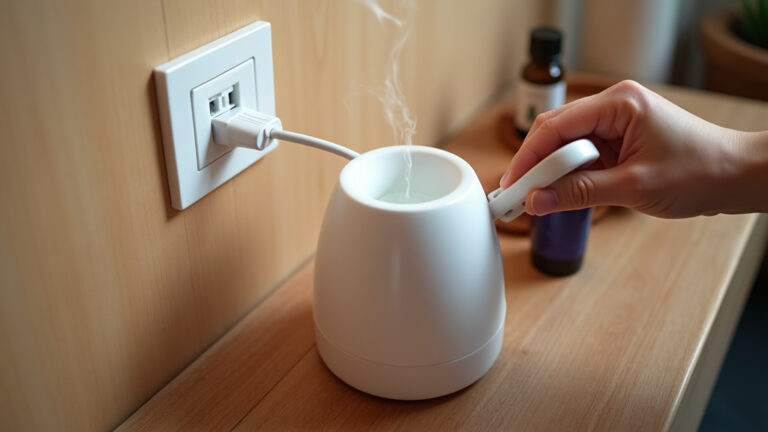
Water molecules at the surface of the bowl absorb energy from the surrounding air. When they get enough kinetic energy, they break free and become water vapor. This is evaporation. It happens constantly, but speed depends on three factors: temperature, surface area, and air movement.
Warmer water evaporates faster. That’s why placing a bowl on a radiator works. More surface area means more molecules can escape at once, a wide, shallow dish is the correct shape. Air movement, like from a vent or fan, carries the humidified air away from the immediate saturation point above the bowl, allowing more evaporation to continue.
Evaporation from an open water container is a passive, diffusion-limited process. Without forced air or heat, the local air above the water surface becomes saturated with water vapor, slowing further evaporation to a near-standstill. This is the primary physical limit of the bowl method.
TL;DR: Water turns to vapor through evaporation, sped up by heat, surface area, and airflow. Without those helpers, the air right above the bowl gets “full” and the process stalls.
Will a Bowl of Water Actually Help My Dry Room?
It can help, but define “help.” If your room is at 25% humidity and a single optimized bowl nudges it to 28%, you have technically raised the humidity. Your skin might not feel the 3% difference. The method is most effective for addressing very mild dryness in a confined space, like a small home office or a bedside area.
The real benefit is for things, not people. Solid wood furniture, musical instruments, and books suffer from chronic low humidity. A consistent, slight bump from a well-placed bowl can slow the cracking of a guitar’s top or keep a wooden table from developing hairline checks over a dry winter. For your own chapped lips or scratchy throat, the relief is often psychological unless you cluster multiple bowls.
Common mistake: Using one small bowl in the center of a large, well-ventilated room, the humidity increase is undetectable beyond a three-foot radius, and opening a door resets it to zero.
Consider your room’s size and ventilation. A 10×10 foot bedroom with the door closed is a candidate. An open-concept living area flowing into a kitchen is not. Here’s a rough reality check:
| Room Size & Condition | Likely Humidity Increase from One Bowl | Will You Feel It? |
|---|---|---|
| Small bedroom (100 sq ft), door closed | 2–5% | Maybe at the 5% end |
| Medium living room (250 sq ft) | 1–3% | No |
| Large open space (500+ sq ft) | <1% | No — method is ineffective here |
| Any room with frequent air exchange (AC, open windows) | 0–1% | No — ventilation removes the vapor |
That table isn’t discouragement. It’s calibration. If your room fits the first row, proceed. If it fits the last row, your effort is better spent on another method, like drying laundry indoors or using a proper bedroom humidifier placement strategy with an electric unit.
The 4-Step Setup That Works
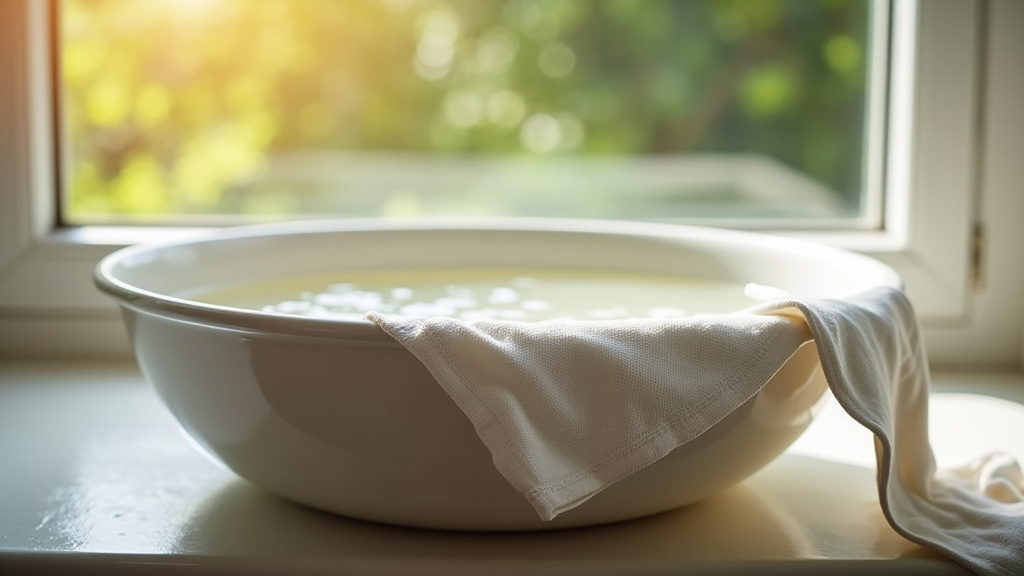
If you’re going to do it, do it right. This sequence extracts the maximum possible humidity from a simple bowl.
1. Choose Your Bowl and Water
Skip the tall vase. Grab a wide, shallow baking dish or ceramic platter. Material matters if using heat: ceramic for radiators, stainless steel for potentially hotter surfaces. Fill it with distilled or bottled water. Tap water works but leaves mineral rings; in hard water areas, those minerals can become airborne dust as the water evaporates, which you don’t want to breathe.
2. Find the Sweet Spot for Placement
The worst location is a dark corner on the floor. The best is a sunny windowsill. Second best is on or near a radiator. Third is in the gentle airflow from a heating vent or a low-speed fan. The heat or movement prevents the local air saturation that kills evaporation. This is the single most important step people ignore.
3. Add a Wick (The Pro Move)
Drape a clean cotton cloth over the edge so one end hangs into the water. The cloth acts as a wick, pulling water up its fibers via capillary action. This creates a huge additional surface area for evaporation, the entire damp cloth now acts like a humidifying element. It can double or triple the water loss from the bowl.
4. Maintain It or Forget It
This isn’t a set-and-forget solution. You’ll need to refill the bowl daily as water disappears. More critically, you must change the water and rinse the bowl every two to three days. Stagnant water grows a slick film, a biofilm of bacteria and mold precursors. Letting it go for a week defeats the purpose and can worsen air quality.
TL;DR: Wide dish + heat or airflow + cloth wick + 3-day water changes. Skip any step and the results become negligible.
When a Bowl Isn’t Enough: Signs You Need a Real Humidifier
The bowl method has hard limits. Recognize them before you waste a month on ineffective tweaks.
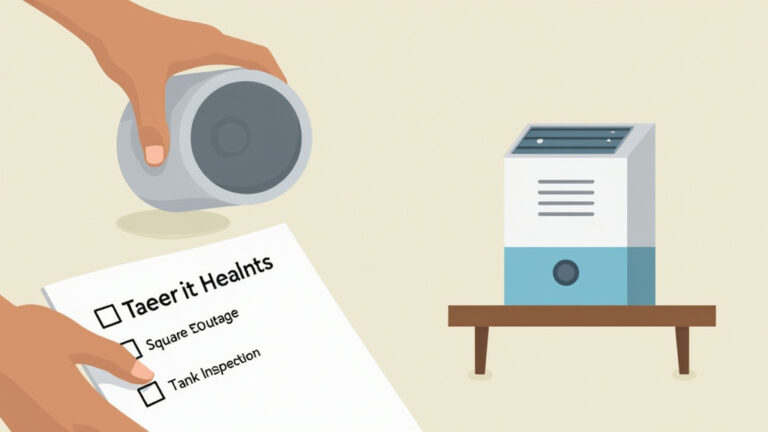
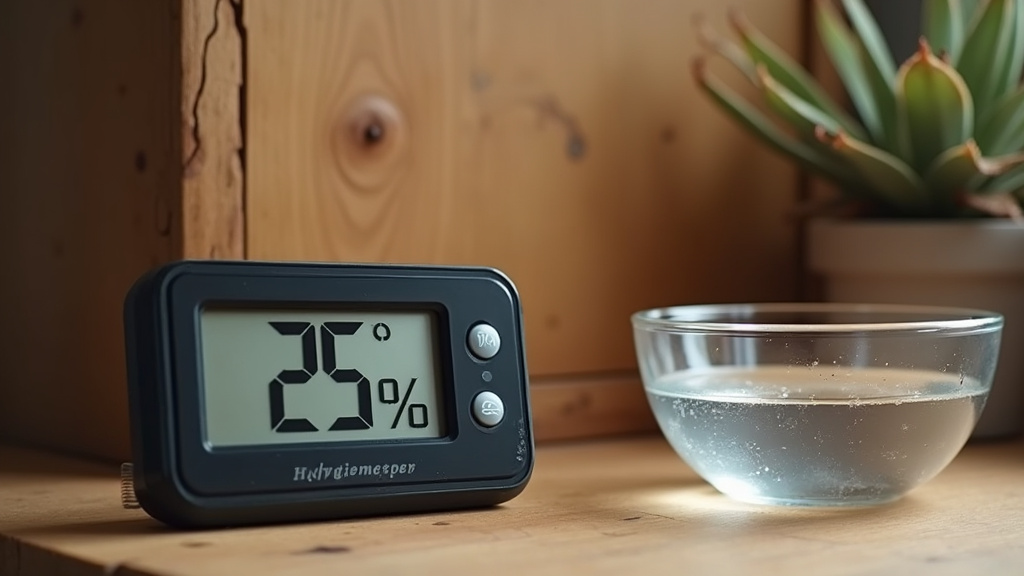
First, measure. Buy a $15 digital hygrometer. Place it in the center of the room, not next to the bowl. If after 48 hours of optimized bowl use your reading stays below 30%, the dry air is winning. Your room is too large, too leaky, or the outdoor air is too desiccating.
Second, listen to your stuff. If your wooden furniture is still cracking, your guitar keeps going out of tune, or your houseplants have continual crispy leaf tips, the humidity isn’t high enough. These materials need that 30-50% range consistently, which a bowl cannot guarantee.
Third, feel your own symptoms. If your sinuses are still packed dry, your skin itches, and you wake up thirsty, the atmospheric moisture isn’t reaching you. A bowl humidifies the air layer near it, not the entire volume of air you breathe across the room.
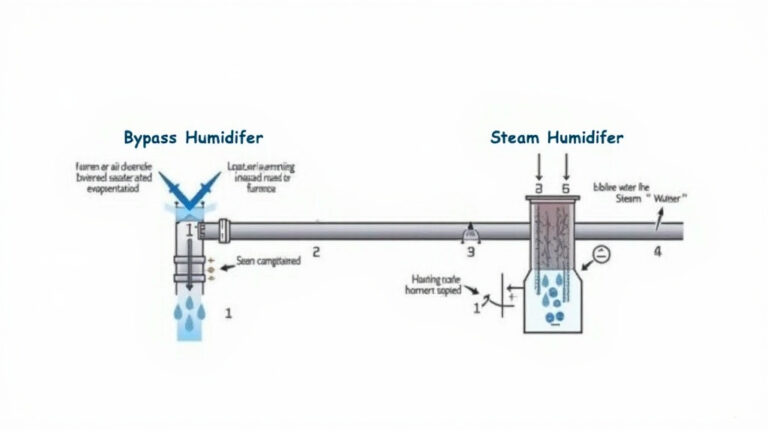
That’s the upgrade signal. Moving to an electric humidifier isn’t admitting defeat; it’s matching the tool to the task. A small ultrasonic humidifier can output in an hour what a bowl struggles to release in a day. For whole-home coverage, a whole-house humidifier system attached to your furnace is the permanent solution, though it comes with installation cost and humidifier maintenance costs.
Optimizing Your Bowl: Advanced Tricks and Comparisons

Once you have the basics down, these tweaks can squeeze out a bit more performance. They also show why other common suggestions are less effective.
Trick 1: The Multi-Bowl Strategy
Instead of one big bowl, use three or four smaller shallow dishes placed around the room. This distributes the evaporation points, preventing local saturation and covering more area. It’s more work to maintain but more effective than a single source.
Trick 2: The Fan Assist
Point a small, quiet fan at a low setting across the surface of the water bowl. This forcibly moves the saturated air away, allowing continuous evaporation. It turns a passive method into a semi-active one. The trade-off is noise and electricity use.
How It Stacks Up Against Other DIY Methods
Boiling a pot of water on the stove releases vapor faster than any bowl. It’s also a safety hazard and uses energy. Drying laundry indoors is slower but releases moisture over many hours as the clothes dry, often more effective than a bowl. Leaving the bathroom door open after a hot shower is a great burst of humidity, but it’s brief and localized.
| Method | Approx. Moisture Added | Best For | Biggest Drawback |
|---|---|---|---|
| Single optimized bowl | 50-150 ml/day | Mild, localized protection for objects | Very slow, requires perfect placement |
| Multiple bowls + fan | 200-400 ml/day | Small room humidity bump | Maintenance hassle, fan noise |
| Indoor laundry drying | 500-1000 ml/load | Significant, sustained raise | Takes space, can feel damp |
| Electric ultrasonic humidifier | 200-400 ml/hour | Actually hitting 30-50% RH target | Cost, cleaning, white dust if using tap water |
The table makes the hierarchy clear. The bowl is the entry level. It’s also silent, free, and zero-energy, which matters for some scenarios.
What Are You Actually Protecting? (Beyond Comfort)
While personal comfort is the usual goal, this low-level humidification has a hidden benefit: preserving materials. Dry air is destructive in slow motion.
Wood loses its internal moisture content and shrinks. This causes cracks in furniture, separated joints in antique cabinets, and fretboards lifting on guitars. A consistent humidity above 30% slows this process dramatically. Paper and books become brittle below 40% RH; pages yellow and crack faster. Even your houseplants, especially tropical varieties like Calathea or Ferns, thrive with higher humidity. A clustered humidifier for houseplants is better, but a bowl nearby can stave off the worst browning leaf tips.
The protection is about consistency, not high numbers. A bowl that keeps a display case at 35% instead of 25% is doing valuable work. It’s a preventative measure, not a cure.
Frequently Asked Questions
How long does it take for a bowl of water to humidify a room?
In a small, still room with a wide bowl near a heat source, you might see a hygrometer move 2-3% within 4-6 hours. Reaching a stable, slightly higher humidity level takes 24-48 hours of continuous evaporation. The change is gradual, not instant.
What type of water is best to use in the bowl?
Distilled or bottled water is best. It evaporates cleanly, leaving no mineral residue behind. If you use tap water, change it more frequently, every day, to prevent mineral concentration and potential biofilm. The debate over hot versus cold water is less critical here; warm tap water starts evaporating slightly faster but cools to room temperature quickly.
Can a bowl of water replace a humidifier?
For most people in dry climates, no. A humidifier is an active appliance designed to achieve and maintain a specific humidity level in a defined space. A bowl is a passive, minimal-impact method. Think of it as supplemental, not a replacement. If you have respiratory issues or valuable wooden antiques, you need the controlled output of a real humidifier.
Where is the best place to put the bowl?
The best place is where three things meet: warmth, airflow, and your need. A sunny windowsill is prime. The top of a radiator is excellent. Near a heating vent works. Avoid corners, under furniture, or on the floor where air is coldest and most still.
How do I know if my room humidity is too low without a hygrometer?
Look for physical signs: static electricity shocks when you touch metal, cracking wood furniture, constantly dry skin and throat, and plants with crispy leaf edges. These are indicators of humidity likely below 30%. For accurate control, a hygrometer is a small, necessary investment, just like learning humidifier thermostat settings for an electric unit.
Is it safe to leave a bowl of water out all the time?
Yes, with strict maintenance. The safety risk isn’t from the water itself but from neglect. Stagnant water grows mold and bacteria. If you change the water and clean the bowl every 2-3 days, it’s safe. If you let it sit for weeks, you’re creating a petri dish and releasing those spores into the air you’re trying to improve.
Before You Go
A bowl of water on a radiator is a classic hack for a reason. The physics are sound. It adds moisture through evaporation, and with smart placement, it can make a measurable, if small, difference in a confined space. Its strengths are silence, zero cost, and zero energy use.
Its weakness is scale. It cannot combat the dry air in a large, modern, leaky home. It’s a first step, a holding pattern, or a specialized tool for protecting a specific cabinet or instrument.
Use it with realistic expectations. Follow the four-step setup, wide bowl, heat source, wick, strict maintenance. Monitor the results with a hygrometer. When the reading won’t budge above 30% or your dry symptoms persist, that’s your cue. Upgrade to an electric humidifier. That’s the tool designed to win the fight.