Can You Put Fabuloso in a Diffuser? The Fire Hazard Truth
This post contains affiliate links. As an Amazon Associate, we earn from qualifying purchases.
No. You should never put Fabuloso cleaner in any type of diffuser. The product is flammable, and heating it, whether in a wax warmer, oil diffuser, or on a stove, creates a direct fire hazard. Aerosolizing it in an ultrasonic diffuser exposes you to concentrated chemical fumes that can irritate your lungs, skin, and eyes.
The mistake starts with a viral hack. Someone online shows a quick trick to refill a plug-in air freshener with cheap, colorful Fabuloso. It looks simple. It smells strong. It seems like a genius way to save money. But that hack ignores the one line printed on every Fabuloso bottle: “Do not heat.”
This guide breaks down the specific chemistry behind that warning, explains the difference between diffuser types that matters, and lists proven alternatives that scent your home without risking a fire or a trip to the emergency room.
Key Takeaways
- Fabuloso contains surfactants and solvents that become flammable vapors when heated above 40°C (104°F). A plug-in diffuser’s heating element can ignite them.
- Ultrasonic diffusers aerosolize the liquid into a fine mist you breathe. Inhaling aerosolized cleaning chemicals causes respiratory irritation and long-term exposure risks.
- The manufacturer, Consumer Reports, and poison control centers all explicitly warn against heating or diffusing Fabuloso. It’s a cleaner, not a fragrance product.
- Safe alternatives exist: essential oils, water-based fragrance oils, or DIY methods like simmering citrus peels. Use only liquids designed for inhalation.
- Reed diffusers are the only “diffuser” type where a diluted Fabuloso mixture is physically possible, but it’s still a bad idea. The overpowering scent and chemical exposure remain.
What Happens When You Heat Fabuloso?
Head to your laundry room and pull out a bottle of Fabuloso. Flip it around and read the back label. You’ll find a clear directive: “Do not heat.” That’s not a suggestion. It’s a warning based on the product’s formulation.
Fabuloso is a concentrated all-purpose cleaner. Its formula includes surfactants (to break down grease), solvents (to carry those surfactants), fragrance compounds, and colorants. Many of those solvents, like certain glycol ethers, have flash points, the temperature at which they can ignite, well within the operating range of a standard plug-in diffuser or wax warmer.
Heating Fabuloso transforms its liquid solvents into flammable vapors. Those vapors can ignite on contact with the diffuser’s internal heating element, which often runs between 50°C and 80°C (122°F–176°F). Once ignited, the flame can travel back up the liquid reservoir, causing the plastic bottle or diffuser housing to melt and spread fire.
This isn’t a theoretical risk. Consumer Reports documented the trend of dangerous TikTok hacks and issued a direct advisory against them, citing the manufacturer’s own warnings. Their article, “Consumer Reports TikTok hacks article“, states unequivocally that heating cleaning products is a fire hazard.
Common mistake: Boiling Fabuloso on the stove to “scent the air”, the concentrated vapors fill the kitchen, and a nearby gas flame or electric coil can trigger ignition. The result is a kitchen fire, not a pleasant aroma.
The sensory reality is a sharp, chemical smell that overwhelms the room. It doesn’t fade into a background scent. It hangs in the air and sticks to your throat. Your eyes might water. That’s your body telling you the fumes are irritants.
TL;DR: Heating Fabuloso creates flammable vapors that can ignite on common diffuser heating elements, causing a fire. The manufacturer explicitly prohibits it.
The Hidden Risk of Ultrasonic (Cool Mist) Diffusers
Maybe you think you’re safe because you own an ultrasonic diffuser. These devices use a vibrating plate to break water and oil into a fine cool mist. No heat involved. So the fire hazard disappears. But the health hazard amplifies.
An ultrasonic diffuser doesn’t just evaporate scent. It aerosolizes the liquid, breaking it into tiny particles suspended in air that you directly inhale into your lungs. Your body is designed to handle trace amounts of evaporated natural compounds. It is not designed to process aerosolized industrial cleaning chemicals.
The surfactants and solvents in Fabuloso are meant to cling to surfaces and break down dirt. When you aerosolize them, they cling to your respiratory tract instead.
Common mistake: Putting a few capfuls of Fabuloso in your ultrasonic diffuser’s water tank, the mist carries concentrated detergent compounds into the air. Within 20 minutes, you may experience headache, coughing, or nasal irritation. Chronic exposure risks more serious respiratory issues.
Think about the last time you cleaned a bathroom with Fabuloso and didn’t ventilate well. That slight headache you got? An ultrasonic diffuser delivers that experience directly to your living room, but more efficiently because the particles are finer and more inhalable.
| Diffuser Type | Mechanism | Risk with Fabuloso | Timeline of Effect |
|---|---|---|---|
| Heat-based (Plug-in, Wax Warmer) | Heats liquid to evaporate scent | Fire from flammable vapors | Immediate ignition risk |
| Ultrasonic (Cool Mist) | Vibrates liquid into aerosol mist | Respiratory irritation from inhaled chemicals | Symptoms within 20-30 mins of use |
| Reed | Evaporation via porous sticks | Overpowering scent, chemical exposure via evaporation | Slow buildup over hours |
The industry standard for safe inhalation, referenced in ASTM and ISO guidelines for air quality, revolves around limiting exposure to aerosolized volatile organic compounds (VOCs). Cleaning products like Fabuloso are high-VOC sources. Diffusing them intentionally blows past those limits.
Your diffuser’s performance will also suffer. The surfactants can leave a gummy residue on the ultrasonic plate, reducing its vibration efficiency and eventually clogging the mist outlet. You’ll see less mist, then none. Cleaning that plate requires disassembly and scrubbing with isopropyl alcohol, a repair most users won’t attempt.
TL;DR: Ultrasonic diffusers aerosolize Fabuloso into inhalable particles, causing immediate respiratory irritation and long-term exposure risks. They also gum up the internal mechanism.
Safe Alternatives to Fabuloso for Scenting

You want your home to smell good. That’s the goal the Fabuloso hack tries to solve. The right path uses materials designed for the job. Scents meant for inhalation are formulated with carrier agents that are safe to aerosolize or evaporate.
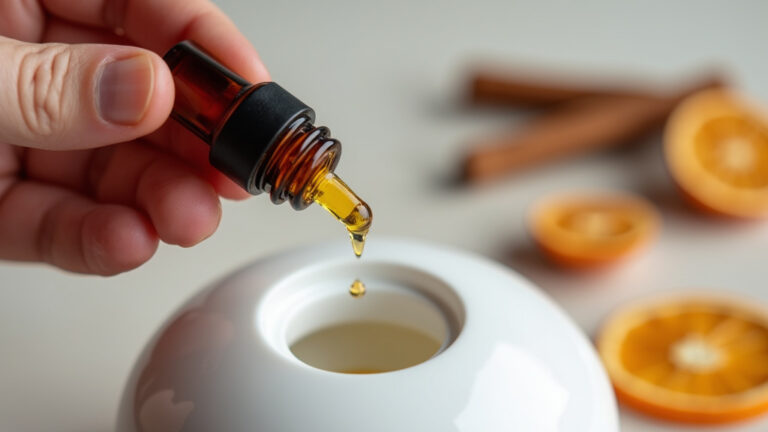
Essential oils are the classic choice. They are volatile compounds extracted from plants, naturally evaporated at room temperature. A few drops in an ultrasonic diffuser with water creates a true aromatic mist. Brands like doTERRA or Eden’s Garden offer oils specifically tested for diffusion.
Fragrance oils are another option. Look for water-based or glycol-based formulas intended for fog machines or diffusers. These are professionally blended to be safe when aerosolized. They won’t damage your device or your lungs.
For a DIY approach without any special oils, use kitchen ingredients that naturally evaporate.
- Simmer citrus peels (orange, lemon) in a pot of water on the stove. The steam carries the natural citrus oils. No detergent chemicals.
- Place a small bowl of vanilla extract on a sunny windowsill. The alcohol evaporates, leaving a gentle vanilla scent in the room. It’s weak, but it’s safe.
- Bake cinnamon sticks in the oven at a low temperature (150°F) for 15 minutes. The heat releases the scent without burning, and you can place them in a bowl afterward.
I tried the vanilla extract trick in a reed diffuser vessel once. The scent was faint, almost unnoticeable after a day. But it proved a point: even a weak, safe method is better than a strong, dangerous one. I’ve seen a friend’s plug-in diffuser melt after she refilled it with a lavender Fabuloso. The plastic casing warped and the unit died. She lost a $25 diffuser and learned a lesson about using products as intended.
If you’re into fog machines for parties or photography, the principle is identical. Only use scented fog juice or fogging oils designed for that purpose. Adding Fabuloso to your fog machine’s fluid tank will clog the pump, damage the heater, and fill the room with toxic fog. The professional fog fluids we recommend are glycol-based and safe for aerosolization.
Here’s a quick comparison of what works and what doesn’t:
| Method | Liquid Used | Safety | Effectiveness | Best For |
|---|---|---|---|---|
| Ultrasonic Diffuser | Essential oils + water | High | Strong, adjustable scent | Daily room scenting |
| Reed Diffuser | Carrier oil + fragrance oil | High | Moderate, lasting scent | Low-maintenance areas |
| Stove Simmer | Citrus peels + water | High | Mild, temporary scent | Quick kitchen freshening |
| DIY Fabuloso Hack | Fabuloso cleaner | Low (Fire & Health Hazard) | Overpowering, chemical | Not recommended for any use |
TL;DR: Use essential oils, designed fragrance oils, or natural kitchen simmers to scent your home. These are formulated for safe evaporation or aerosolization.
Why Reed Diffusers Are Still a Bad Idea for Fabuloso

Reed diffusers work by evaporation. Sticks absorb a liquid mixture from a vessel and slowly release scent into the air. No heat. No aerosolization. This is the only scenario where a diluted Fabuloso mixture is physically possible without immediate fire risk. But it remains a terrible idea.
First, the scent outcome is awful. Fabuloso is a concentrated cleaner. Even diluted 50% with water, the fragrance is designed to be strong and cleaning-specific. It will overpower a room, not blend into a pleasant background aroma. It smells like a cleaning closet, not a living space.
Second, you’re still evaporating cleaning chemicals into your air. The process is slower than ultrasonic misting, but the VOCs still enter your environment. Long-term exposure in a sealed room, like a bedroom you sleep in every night, carries the same respiratory risks on a slower timeline.
Third, the reeds will clog. The surfactants in Fabuloso are sticky. They will gum up the porous channels in the reed sticks, stopping evaporation within a week. You’ll see the liquid level stay the same while the scent disappears. Your diffuser becomes a decorative vase of colored detergent.
I won’t recommend reed diffusers for Fabuloso even as a “technically possible” option. The outcome is a foul-smelling room, clogged sticks, and unnecessary chemical exposure. The three dollars you save on fragrance oil isn’t worth the weekend you spend coughing.
If you want a reed diffuser, buy a proper fragrance oil blend meant for them. Or make your own with a light carrier oil like safflower oil and a few drops of essential oil. The reeds will work for months, the scent will be gentle, and you won’t breathe detergent.
TL;DR: Reed diffusers avoid the fire hazard but still expose you to evaporating cleaning chemicals and produce an overpowering, unpleasant scent. They also clog the reeds quickly.
How to Clean Your Diffuser After an Accidental Misuse

Maybe you already tried the hack. Your diffuser smells like fake lavender and chemicals. It might be gummed up. Here’s how to reset it without breaking the device.
Before you start: Unplug the diffuser and move it to a well-ventilated area, like a garage or outdoors. The residual Fabuloso fumes can irritate your lungs during cleaning. Wear gloves if your skin is sensitive to detergents.
- Empty the tank completely. Pour any leftover Fabuloso mixture into a disposable container (not down the drain in large quantity, it can harm plumbing). Rinse the tank with warm water three times to remove visible residue.
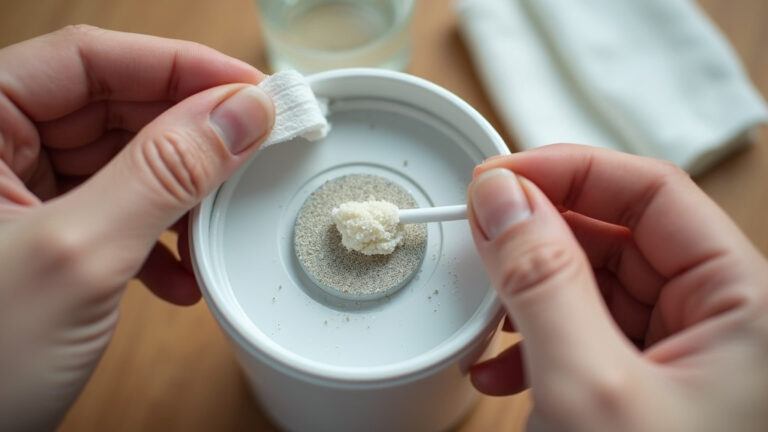
- Clean the ultrasonic plate or heating element. For ultrasonic diffusers, use a soft cloth dipped in isopropyl alcohol (91% grade) to gently wipe the metal plate at the bottom of the tank. Do not scrub hard, you can damage the vibration coating. For heat-based diffusers, use the same alcohol cloth to wipe the heating cup. Let it air dry for 30 minutes.
- Run a water-only test cycle. Fill the tank with distilled water only. Run the diffuser for 5 minutes. Observe the mist output or evaporation rate. If it’s weak, the plate or element is still clogged; repeat step 2.
- Deodorize. If a chemical smell persists, add a tablespoon of white vinegar to a tank of water and run a final cycle. The vinegar neutralizes the detergent odor. Empty and rinse thoroughly afterward.
Skip any step and the diffuser may perform poorly or retain the smell. The alcohol cleaning is critical, water alone won’t dissolve the surfactant film on the plate.
After this reset, only use proper diffuser liquids. Your device’s longevity depends on it.
Frequently Asked Questions
Can I put a little bit of Fabuloso in my diffuser if I dilute it with water?
No. Dilution reduces the concentration but does not change the chemical nature of the ingredients. The flammable solvents and irritant surfactants are still present. Diluted Fabuloso in a heat diffuser still risks ignition. In an ultrasonic diffuser, you still aerosolize and inhale cleaning chemicals. Dilution just makes the outcome slightly less intense, not safe.
What about using Fabuloso in a reed diffuser?
It is physically possible, as reed diffusers use evaporation without heat. However, it is not advisable. The evaporated chemicals still enter your air, the scent is overpowering and unpleasant, and the detergent will clog the reed sticks within a week, rendering the diffuser useless. Use a proper reed diffuser fragrance oil instead.
Are there any cleaning products safe to put in a diffuser?
No. Cleaning products are formulated for surfaces, not for inhalation. Their ingredient lists include surfactants, solvents, and preservatives that are irritants when evaporated or aerosolized. No reputable manufacturer designs a cleaner for diffuser use. The safe category is “fragrance products” like essential oils, fragrance oils, or fog machine fluids designed for scenting.
What should I do if I already used Fabuloso in my diffuser and now it smells bad?
Follow the cleaning and reset steps outlined in the section above. Empty the tank, clean the ultrasonic plate or heating element with isopropyl alcohol, run a water-only test cycle, and deodorize with a vinegar rinse. Until the chemical smell is completely gone and mist output is normal, do not use the diffuser with safe oils.
Can I use perfume in my diffuser instead of Fabuloso?
Also not recommended. Perfume contains alcohol and synthetic fragrance compounds at high concentrations not designed for continuous aerosolization. It can damage your diffuser’s mechanism and cause respiratory irritation similar to cleaners. For a discussion on why perfume is a poor choice, see our article on unsafe diffuser liquids.
The Bottom Line
Fabuloso is a cleaner. Its bottle says “Do not heat.” Its manufacturer warns against misuse. Putting it in any diffuser, heated or ultrasonic, ignores those directives and introduces real risks: fire from flammable vapors, respiratory irritation from inhaled chemicals, and damage to your diffuser’s internal parts.
The viral hack is a shortcut that cuts into safety. Your home’s scent shouldn’t come from a detergent bottle.
Use materials designed for the job. Essential oils, proper fragrance oils, or even simple kitchen simmers. They work. They’re safe. They keep your diffuser running for years. Your lungs will thank you. Your living room won’t smell like a laundromat.
Stick to the products made for scenting. Leave the cleaners for the floors.