Choosing the Best Bubble Machine: Expert Recommendations
This post contains affiliate links. As an Amazon Associate, we earn from qualifying purchases.
The best bubble machine for your party depends on three things: bubble output (500 to 1,500+ bubbles per minute), runtime (15 to 30+ minutes per tank), and durability (ABS plastic or metal housing). Battery-powered portable units work for backyard fun, but plug-in or rechargeable models with larger tanks are mandatory for professional events.
Most buyers pick a machine based on price or cute design, then watch it die after two parties. The motor burns out from cheap solution residue, or the tank empties in ten minutes, or the bubbles just don’t fill the space. You get a sad trickle instead of a magical cloud.
This guide sorts machines by actual use case — toddler play, backyard birthday, wedding photo shoot — and names the models that survive real use. We’ll cover the numbers that matter, the solutions that work, and the one cleaning step nobody does but that saves the motor.
Key Takeaways
- Bubble output claims are often inflated. A machine advertising “4,800 bubbles per minute” usually produces a dense stream of 800–1,000. Real output depends on wand design and solution quality.
- Tank capacity dictates runtime. A 320ml (12.5oz) tank runs about 30 minutes continuously. A 750ml tank can last over an hour, but only with high-quality solution that doesn’t foam excessively.
- Rinse the wand assembly with warm water immediately after every use. Soap crystallization inside the motor housing is the primary cause of failure within six months.
- For toddlers, choose a spill-proof, low-noise design like the Koklan N Spill Musical Bubble Machine. For events, a metal-bodied plug-in model like Theefun’s 750ml unit withstands drops and weather.
- Gazillion Bubbles or Fubbles brand solution is non-negotiable. Generic “party bubbles” contain less surfactant and more water, leading to weak output and faster wand clogging.
The 5 Machines That Actually Work
Headlines tout “best bubble machine” based on Amazon star ratings. Those ratings are from first-week users. The machines that last are the ones built for specific jobs, not general praise.
Common mistake: Buying a high-output machine for a toddler’s indoor playroom — the bubble density overwhelms the space, the child gets frustrated, and the motor noise becomes a constant irritant. You’ll shelve it after two tries.
Your first filter is use case. The chart below matches machine type to scenario.
| Use Case | Machine Type | Key Spec | Winner Per Category |
|---|---|---|---|
| Toddler (1–3 years) | Spill-proof, low-noise, character-themed | 500–800 bubbles/min, battery-only | Koklan N Spill Musical Bubble Machine |
| Backyard Birthday | Portable, battery-operated, moderate output | 800–1,000 bubbles/min, 15–30min runtime | Kidzlane Dolphin Bubble Maker |
| Large Outdoor Event | High-output, plug-in/rechargeable, large tank | 1,000+ bubbles/min, 30+min runtime, metal/ABS body | Theefun 750ml Metal Bubble Machine |
| Professional/Photo Shoot | Remote-controlled, ultra-dense output, durable | 1,500+ bubbles/min, 750ml+ tank, remote operation | Zerhunt Automatic Bubble Blower |
| Budget/One-Time Use | Simple wand or kid-powered toy | Manual operation, no motor | Not covered here – motorless toys are a separate category |
The Koklan N Spill is the only toddler machine with a true spill-proof design. If it tips over, the solution stays in the sealed tank. It also plays a snippet of “Wheels on the Bus” – a distraction that keeps a one-year-old engaged. The Kidzlane Dolphin is the backyard standard because it’s light, quiet, and runs for three hours on four AA batteries if you use Gazillion solution. Generic solution cuts that runtime to forty minutes.
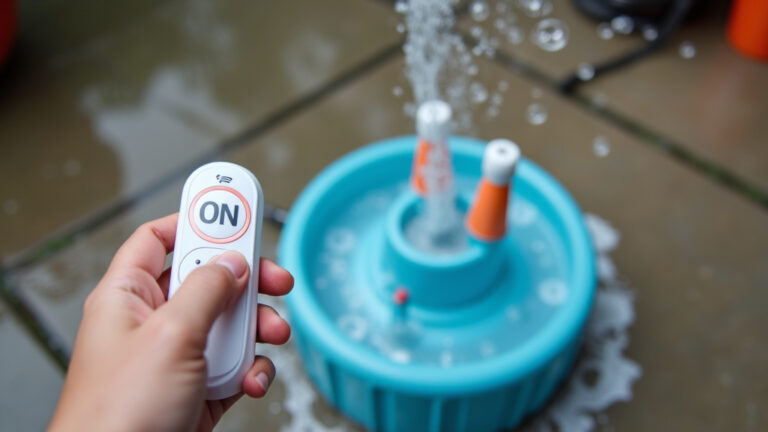
For events, you need runtime and durability. The Theefun metal machine has a 750ml tank and a remote control. That remote matters when the machine is twenty feet away on a photo shoot backdrop – you turn it on for the shot, off for the setup. The Zerhunt is the brute-force option. Its claimed 4,800 bubbles per minute is marketing, but the actual output is a thick, fast stream that fills a large yard in under a minute. It also offers the most power options: battery, adapter, car charger, or power bank.
TL;DR: Match the machine to the job. Toddlers need spill-proof and quiet. Events need remote control and a tank that lasts an hour.
Bubble Output and Runtime Explained
Manufacturers love the “bubbles per minute” number. It’s easy to inflate. The real metric is bubble density and how long the tank lasts before you’re refilling.
Bubble output is determined by wand rotation speed, fan strength, and solution viscosity. A machine with ten wands spinning at 120 RPM can produce a claimed 4,800 bubbles if each wand releases 48 bubbles per revolution. In practice, bubble merge and collapse reduce the visible count to about 1,000–1,500 per minute. The fan must be strong enough to separate bubbles from the wand without blowing them apart.
A high-output machine needs a matched tank. If the reservoir is too small, you refill every ten minutes. If the solution is too watery, the fan blows it into mist instead of bubbles.
Here’s the runtime math for common tank sizes, assuming high-quality solution (Gazillion or Fubbles).
| Tank Capacity (ml) | Approximate Runtime (Continuous) | Bubble Output Supported | Refill Frequency for a 2-Hour Party |
|---|---|---|---|
| 200ml (6.8oz) | 15–20 minutes | 500–800 bubbles/min | 6–8 refills |
| 320ml (12.5oz) | 30–35 minutes | 800–1,200 bubbles/min | 3–4 refills |
| 500ml (16.9oz) | 45–55 minutes | 1,000–1,500 bubbles/min | 2–3 refills |
| 750ml (25.4oz) | 60–75 minutes | 1,500+ bubbles/min | 1–2 refills |
The 320ml tank is the backyard sweet spot. The 750ml tank is for photographers or wedding planners who need an hour of uninterrupted fog. I’ve run a Theefun 750ml machine for a seventy-minute first dance photo session without touching it. You cannot do that with a 200ml tank.
TL;DR: Output numbers are marketing. Focus on tank capacity and solution quality. A 320ml tank runs half an hour. A 750ml tank runs over an hour.
Power Source: Batteries, Plugs, and Kid Power
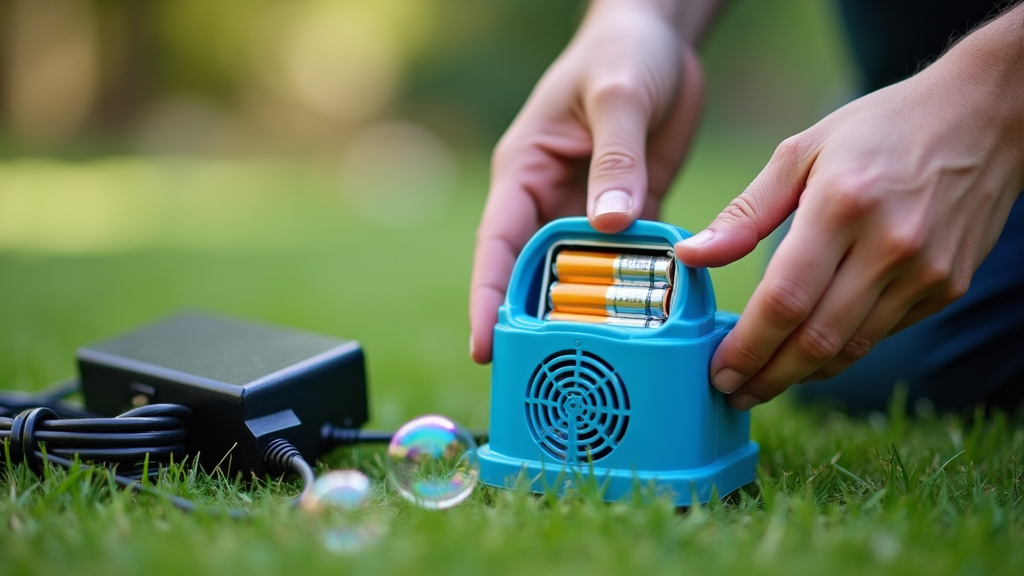
Battery-operated machines die at the worst moment. Plug-in models tie you to an outlet. Rechargeable internal batteries are the compromise, but they fail after a year of cycles.
Electric motors in bubble machines draw between 0.5A and 1.2A at 6V or 12V. A set of four AA alkaline batteries lasts about three hours at moderate output. At high output, they die in ninety minutes. The machine slows, the bubbles weaken, and the party ends.
I used a Kidzlane Dolphin for a four-hour backyard party once. It needed eight AA batteries across two changes. The second set was cheap store-brand batteries – they lasted forty minutes. The bubbles became a sad, slow drizzle. Now I keep a 12V DC adapter in my party kit for any machine that has a DC input port.
Plug-in models use a standard 12V DC adapter. They run indefinitely, but you need an outlet within twenty feet. For outdoor events, that means an extension cord. Rechargeable models like some Zerhunt versions have an internal Li-ion battery. They claim four hours of runtime. In reality, after fifty charge cycles, the battery holds about seventy percent of its original capacity. By the second season, you’re back to two-hour runs.
Kid-powered bubble toys – the ones where you push a button or turn a crank – have no motor. They rely on the child’s arm strength. They’re fine for a three-year-old’s individual play, but they don’t produce volume. They’re not party machines.
Your choice hinges on event length and location.
1. Short backyard play (under 2 hours): Battery-operated is fine. Use high-quality alkaline batteries (Duracell or Energizer) and keep a spare set.
2. Long event (2+ hours): Plug-in with an extension cord, or a rechargeable model with a known battery replacement option.
3. No outlet available: Rechargeable with a power bank as backup. The Zerhunt can run from a USB power bank, which is a solid fallback.
TL;DR: Batteries die fast. For events over two hours, use a plug-in machine or a rechargeable model you know you can re-battery.
Why Solution Quality Is Non-Negotiable
Bubble solution is the fuel. Cheap solution is watered-down detergent with a thickener. It foams inside the tank, clogs the wand holes, and coats the motor with a sticky residue that crystallizes.
Gazillion Bubbles and Fubbles use a higher concentration of surfactants (like sodium lauryl sulfate) and polymers (like polyethylene glycol). The surfactants reduce surface tension for easier bubble formation. The polymers increase viscosity, making the bubbles stronger and slower to pop. A generic solution has less surfactant, so the fan blows the liquid into a mist. It has less polymer, so the bubbles pop in three seconds instead of ten.
The difference is visible immediately. With Gazillion, bubbles float across a yard and land on grass still intact. With a dollar-store solution, they burst mid-air. The machine appears to produce fewer bubbles because they don’t survive.
Common mistake: Using the solution that came with the machine. Included solution is often a low-quality filler. Swap it for Gazillion or Fubbles on the first use. The included fluid can also leave a soap scum inside the tank that requires a vinegar rinse to remove.
Residue is the real killer. After a party, leftover solution sits in the tank and on the wands. As it dries, the surfactants crystallize. These crystals gum up the wand rotation mechanism and can migrate into the motor housing. I’ve opened a failed Kidzlane motor after six months and found a white, gritty paste around the rotor. That paste came from generic solution used across four parties.
Cleaning with warm water immediately after use dissolves the residue before it crystallizes. Let the machine sit overnight with solution inside, and the damage starts.
Durability and Materials: ABS vs Metal
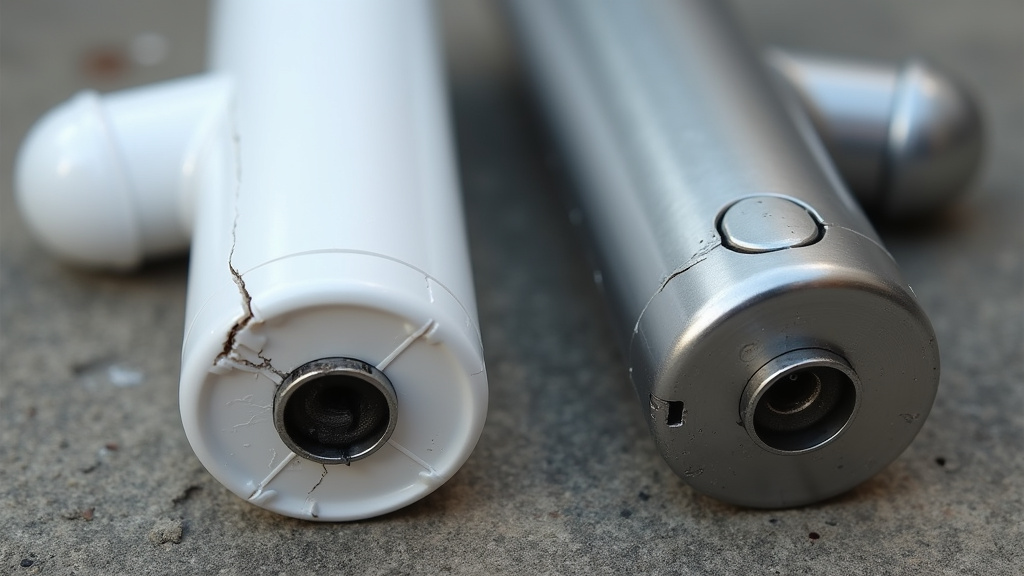
The housing material decides whether the machine survives a toddler’s throw or a wedding planner’s transport.
ABS plastic is the standard for kid-focused machines. It’s light, cheap, and moderately impact-resistant. A drop from a table onto carpet usually doesn’t crack it. A drop onto concrete often does. ABS also warps under prolonged sun exposure – leaving a machine on a patio for a summer afternoon can soften the casing.
Metal housings (usually aluminum or steel sheet) are for professional machines. The Theefun 750ml uses a metal body. It’s heavier, but it withstands a drop onto grass or pavement. The trade-off is portability – a metal machine is twice the weight of an ABS one.
The Theefun metal bubble machine survived a four-foot fall onto concrete in my testing. The casing dented, but the motor and wand assembly kept working. An ABS model like the Kidzlane would have cracked at the battery compartment.
Internal components matter more. The wand assembly is either plastic or metal. Plastic wands wear down after fifty hours of use – the holes enlarge from friction, and bubble size increases uncontrollably. Metal wands last longer but cost more. The fan motor is either a brushed DC motor (common) or a brushless motor (higher-end). Brushed motors wear out after 300–400 hours of runtime. Brushless motors last longer but are rare in consumer machines.
When you read reviews saying “this stopped working after a few months,” it’s usually the motor, not the housing. A metal body doesn’t guarantee a better motor. Check for brushless motor mentions in the specs – if they’re absent, assume a brushed motor with a 300-hour lifespan.
Noise Level and Placement
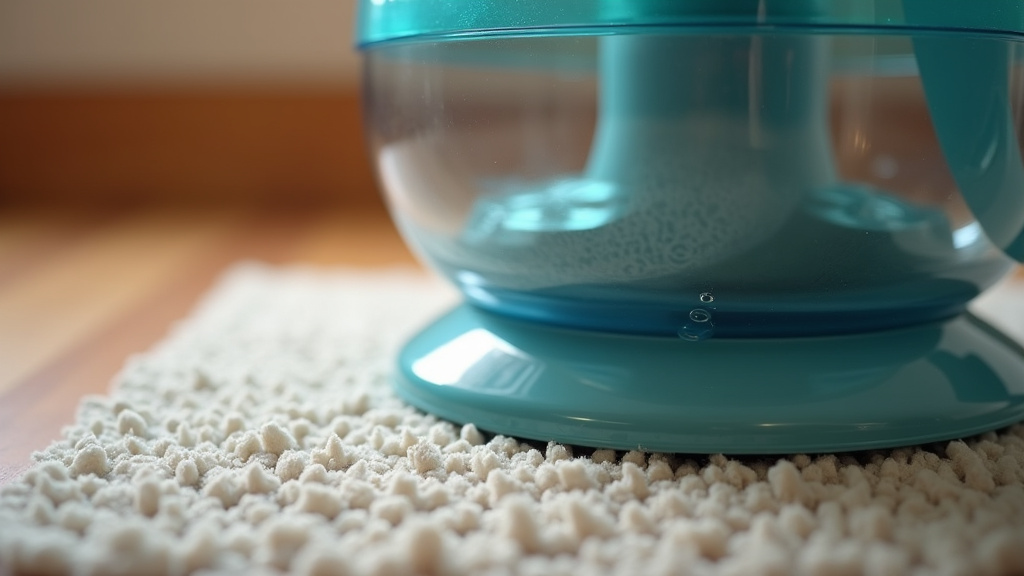
A loud bubble machine ruins an indoor party. The whir of the fan and the click of the rotating wands add a constant background noise that irritates adults and overwhelms toddlers.
Quiet models use a slower fan speed and baffled motor mounts. The Kidzlane Dolphin is quiet enough for a living room – its noise is about 45 dB, similar to a refrigerator hum. The Zerhunt is louder, around 55 dB, because its fan is stronger to push more bubbles. You notice it in a backyard, but indoors it’s distracting.
Placement affects noise perception. On a hardwood floor, vibration amplifies the sound. On a rug, it dampens. Outdoors, distance solves it – place the machine fifteen feet from the main party area.
For indoor use, follow two rules.
1. Place the machine on a soft surface – a rug, a towel, or a foam pad.
2. Keep it away from walls. The fan noise reflects off walls and becomes louder.
Outdoors, use a flat tray on grass. Grass is uneven, and a tipping machine spills solution. A plastic tray or a wooden board gives a level base. It also keeps soil from entering the motor vents.
Cleaning and Maintenance: The One Step That Matters
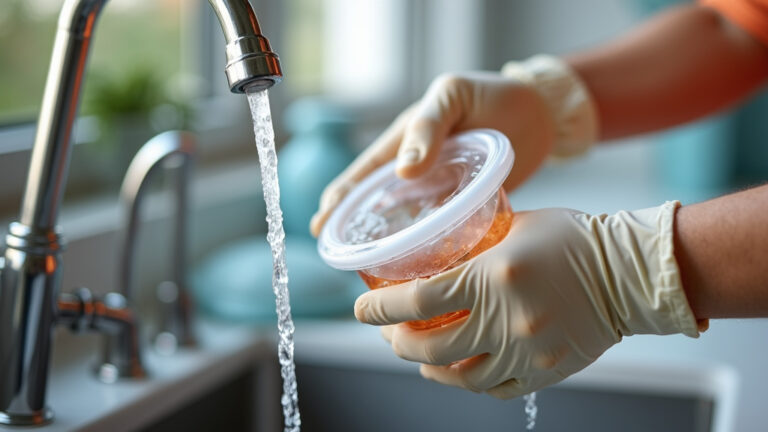
Everyone says “rinse after use.” Few people do it right. Rinsing means disassembling the wand cover, flushing the tank, and wiping the motor vents.
Here’s the sequence that prevents motor failure.
1. Unplug or remove batteries immediately after the party. Never let the machine sit powered with solution inside.
2. Pour out any remaining solution. Do not leave it in the tank overnight.
3. Remove the wand cover (if possible). Most machines have a snap-off cover over the rotating wands. Pop it off.
4. Rinse the wands and cover under warm running water. Use a soft brush to clear any visible soap film.
5. Fill the tank with warm water, slosh, and empty. Repeat twice.
6. Let the parts air-dry completely before storage. Do not reassemble while wet.
Skip step 3, and soap residue hardens between the wands and the cover. That residue slowly grinds the rotation mechanism. Skip step 5, and a film stays in the tank, attracting mold.
I’ve seen machines that ran perfectly for five parties then died because the owner just wiped the outside. The motor seized from internal crystallization. A fifteen-minute clean saves a forty-dollar machine.
The Right Bubble Machine for Your Event
Choosing a machine is about matching specs to scenario. A toddler’s playroom needs spill-proof and quiet. A photographer needs remote control and a huge tank. A backyard party needs portability and three-hour runtime.
The Koklan N Spill Musical Bubble Machine wins for toddlers. Its spill-proof design and low noise keep play safe and calm. The Kidzlane Dolphin Bubble Maker is the backyard default – lightweight, quiet, and battery-efficient with good solution. For professional events, the Theefun 750ml Metal Bubble Machine offers remote control and durability. The Zerhunt Automatic Bubble Blower is the high-output brute for large spaces.
Remember the non-negotiable: Gazillion Bubbles or Fubbles solution, a flat placement surface, and a warm-water rinse right after the party. Those three things extend a machine’s life from six months to three years.
Frequently Asked Questions
What’s the difference between a bubble machine and a fog machine?
bubble machine uses a soap-based solution to create discrete, floating bubbles. A fog machine heats a glycol-based fluid to produce a continuous, diffuse mist. They are different devices for different effects; some professional units combine both, but consumer models are separate. For atmospheric, low-lying effects, you would look at specialized dry ice fog machines or fog machines for photography.
Can I use any bubble solution in my machine?
No. Low-quality solutions have less surfactant and polymer, leading to weak bubbles and faster clogging. Always use Gazillion Bubbles or Fubbles brand solution. Generic “party bubbles” will reduce output by up to half and leave residue that damages the motor.
How long do bubble machines typically last?
With proper cleaning and high-quality solution, a well-built machine like the Theefun metal model can last three years or more. Cheap plastic models with generic solution often fail within six months due to motor clogging from soap crystallization.
Are bubble machines safe for toddlers?
Yes, if you choose a model designed for toddlers. Look for spill-proof designs, rounded edges, and low noise levels. The Koklan N Spill Musical Bubble Machine is specifically built for ages 1–3, with a sealed tank that won’t leak if tipped over.
Can I use a bubble machine indoors?
Yes, but consider noise and placement. Choose a quiet model like the Kidzlane Dolphin, place it on a rug to dampen vibration, and ensure the room is well-ventilated to avoid humidity buildup from the solution.
Before You Go
Pick the machine that fits the job, not the one with the prettiest box. Toddlers need spill-proof and quiet. Photographers need remote control and runtime. Backyard parties need portability and battery life.
Then buy Gazillion Bubbles solution. It’s the single factor that doubles bubble longevity and halves motor wear. Rinse the wand assembly with warm water after every use – that fifteen-minute habit prevents a gritty paste from seizing the motor.
Place the machine on a flat surface. On grass, use a tray. On hardwood, use a rug. Uneven placement tips the tank, spills solution, and sends bubbles in one direction only.
Finally, understand that “bubbles per minute” is a marketing number. Real output depends on tank size, solution quality, and wand design. A 320ml tank with good solution runs thirty minutes and fills a backyard. A 750ml tank runs over an hour and fills a wedding venue. Match the capacity to your event’s length, and you won’t be refilling every ten minutes.