How to Make Your Own Fog Juice in 4 Steps (Best Recipes)
This post contains affiliate links. As an Amazon Associate, we earn from qualifying purchases.
To make your own fog juice, you need just two core ingredients: distilled or deionized water and a hygroscopic fluid like vegetable glycerin (VG) or propylene glycol (PG). The standard starting ratio is 70% distilled water to 30% glycerin by volume for a balanced, lasting fog effect. Adjust the glycerin percentage up for thicker fog or down for a lighter haze.
Most people ruin their first batch, and risk their fog machine, by reaching for the kitchen tap. Tap water’s minerals bake onto the machine’s heating element as scale, a white crust that kills output and requires a full teardown to fix. That crust forms after about five uses with hard water.
This guide walks through the four-step mixing process, gives you three proven recipes for different effects, and covers the storage and safety rules that keep your machine running for seasons.
Key Takeaways
- Use only distilled or deionized water. Tap water contains minerals that calcify on the heating element, reducing fog output and potentially destroying the machine.
- Control fog density with your glycerin ratio. A 30% vegetable glycerin to 70% water mix produces standard, hanging fog. For low-lying fog, increase glycerin to 40-50%.
- Always test a small batch first. Run 50-100ml of your new homemade fog juice through your machine before committing a full gallon. Check for odd smells, weak output, or residue.
- Store fluid in airtight, dark bottles. Light and air degrade the glycerin, turning your fog juice yellow and less effective within months if left in a clear container on a shelf.
- Empty your fog machine after every use. Letting fluid sit in the tank between events allows impurities to settle and accelerates wear on the pump and heater.
Why Bother Making Your Own Fog Juice?
Commercial fog juice works. It’s consistent, widely available, and formulated for specific machines. But a gallon of a reputable brand like Froggy’s or Chauvet costs about $25 to $35. The raw materials for a DIY version cost roughly $8 to $12 per gallon if you buy glycerin in a quart bottle.
The real advantage isn’t just saving $15. It’s control. You decide the thickness, the hang time, and the residue level. A Halloween haunt needs a dense, lingering fog that hugs the ground. A wedding DJ might want a light, fast-dissipating haze for a first-dance effect. Commercial fluids are a one-size-fits-most compromise.
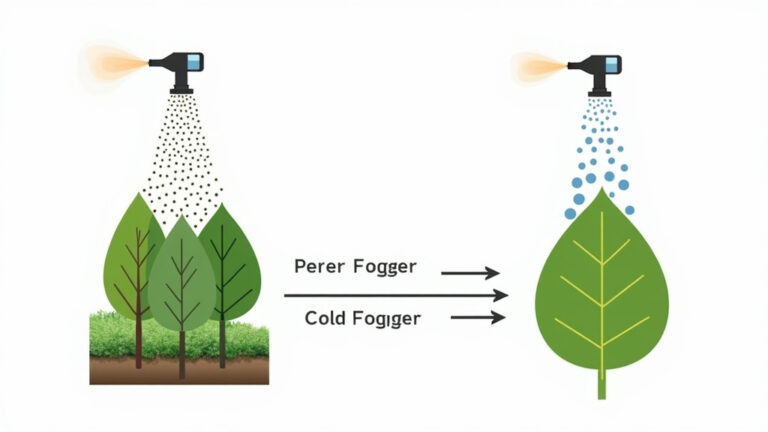
Homemade fog juice is a mixture of distilled water and a hygroscopic chemical, typically propylene glycol (PG) or vegetable glycerin (VG). The chemical’s role is to absorb water vapor produced when the fluid hits the machine’s heating element, forming the visible aerosol droplets we see as fog. The ratio of chemical to water determines droplet size, density, and dissipation speed.
I learned the cost lesson the hard way running fog for a small theater. We burned through two gallons of a premium fluid in three nights for a show requiring constant, thick atmosphere. The budget was shot. The next production, I mixed my own using a 35% VG recipe. The fog was identical, the director was happy, and the cost was a third. We bought a better lighting gel with the savings.
The 4-Step Core Process: Mixing Your Base Fluid
The method is simple. The precision is what separates a usable fluid from one that gums up your machine.
Before you start: Work in a well-ventilated area. While food-grade glycerin and PG are low-toxicity, concentrated vapors during mixing can irritate lungs. Wear nitrile gloves if you have sensitive skin, undiluted glycerin feels sticky and can cause mild irritation on contact.
Step 1: Gather and Measure Your Ingredients
You need three things: water, glycerin or PG, and a clean container for mixing. The container matters. Use glass or HDPE plastic (the #2 recycling symbol). Avoid metal that can corrode or leach ions.
Distilled water is the bare minimum. Deionized water is better, it’s stripped of all ionized minerals, not just through distillation. You can find it in the automotive section as battery top-off water.
For the active ingredient, look for USP-grade vegetable glycerin or propylene glycol. This pharmaceutical-grade designation ensures 99.5%+ purity with no contaminants. The stuff sold as “skin moisturizer” in a dropper bottle is the same chemical but priced for cosmetics; buy it by the quart from a soap-making or bulk chemical supplier.
Step 2: Combine and Mix
Pour the water into your mixing container first. Then add the glycerin or PG. If you reverse the order, the thicker fluid will cling to the bottom and sides, making a uniform mixture harder to achieve.
Stir with a clean plastic or glass rod for a full minute. Or, if you’ve mixed in a sealable bottle, shake it vigorously for 30 seconds. The goal is no streaks or separation. A poorly mixed batch will produce uneven fog, thick bursts followed by weak sputters.
Step 3: Add Optional Ingredients (If Using)
This is where you customize. The most common optional add-in is plain sea salt.
Common mistake: Adding table salt with iodine, the anti-caking agents and iodine can leave a visible residue on surfaces and inside your fog machine’s fluid path.
Salt’s role is subtle. It increases the fluid’s electrical conductivity slightly, which can help stabilize the fog plume and reduce the static charge that makes fog cling to surfaces. Use 1/2 teaspoon of fine sea salt per gallon, dissolved completely.
For scent, use only fog machine-specific aromatic oils. Standard essential oils are not vaporized at the same temperature and can leave a greasy film. For color, fog-specific dye is mandatory. Food coloring is water-based and will stain your tank and possibly your walls.
Step 4: Transfer, Label, and Store
Use a funnel to decant your mixed fluid into its final storage bottle. An amber or blue HDPE bottle with a tight-sealing cap is ideal. It blocks UV light which breaks down glycerin over time.
Label the bottle with the date and the recipe. “40% VG – 10/26/2023” is perfect. In six months, if the fog seems weak, you’ll know the age and can adjust.
TL;DR: Mix water first, then glycerin, stir for 60 seconds, add optional salt, and store in a dark, airtight bottle. Precision in measurement and mixing prevents machine clogs and inconsistent output.
Fog Juice Recipes: From Light Haze to Dense Ground Fog
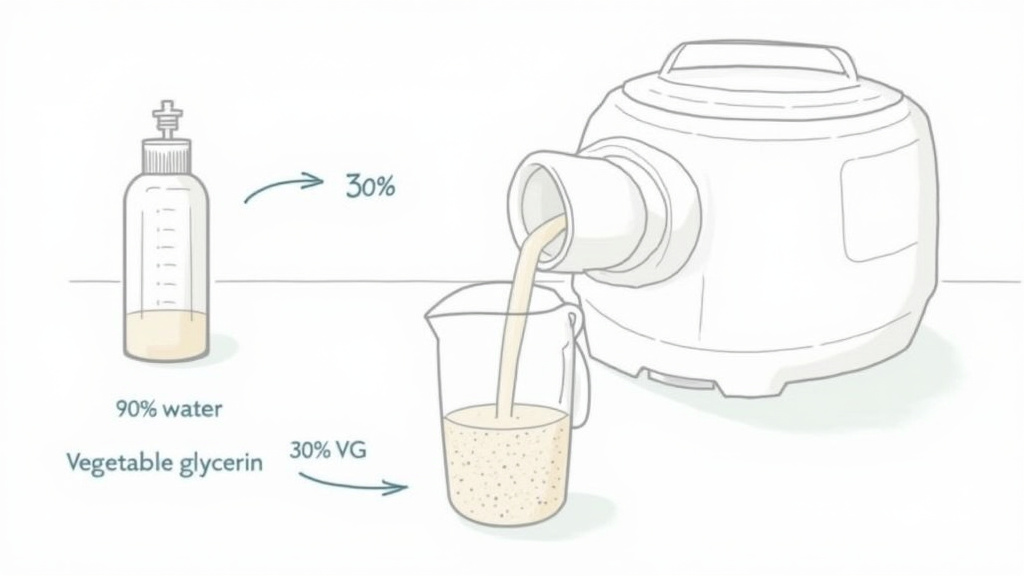
Your ingredient ratio is your effect dial. Here are three tested starting points.
| Target Effect | Water | Vegetable Glycerin (VG) | Propylene Glycol (PG) | Best Use Case |
|---|---|---|---|---|
| Light Haze / Fast Dissipation | 85% | 15% | — | Indoor parties, photo shoots where fog shouldn’t linger |
| Standard Hanging Fog | 70% | 30% | — | General Halloween, theatrical atmosphere, haunt houses |
| Dense, Long-Lasting Fog | 60% | 40% | — | Outdoor events, large rooms needing sustained atmosphere |
| Low-Lying Ground Fog | 50% | 50% | — | Must be used with a fog chiller or ice block method |
| High-Output Professional Fog | 65% | — | 35% | Machines rated for PG-based fluids; less residue on surfaces |
The 70/30 water-to-VG ratio is the universal workhorse. It produces a reliable, medium-weight fog that hangs for 2-5 minutes in still air. It’s the baseline from which you should experiment.
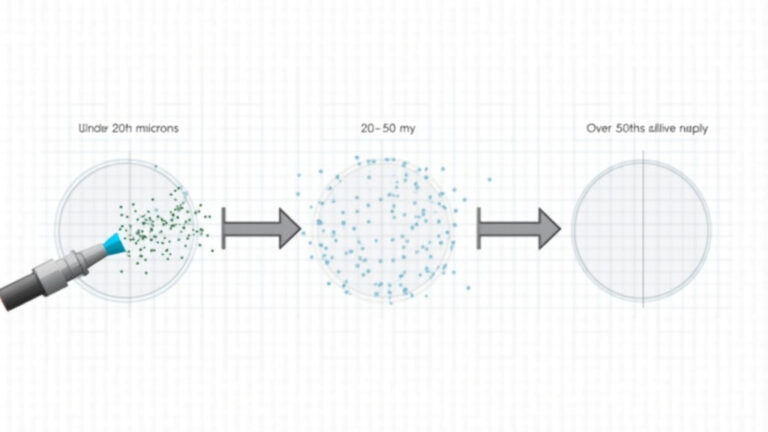
Why does more glycerin make thicker fog? Glycerin is more viscous and hygroscopic than water. When it hits the heater, it vaporizes slower and absorbs more ambient moisture, creating larger aerosol droplets. Larger droplets reflect more light (look thicker) and fall faster due to their weight, which is the key to low-lying fog.
Propylene glycol (PG) is often used in higher-end commercial fog juice brands. It tends to produce a slightly drier fog with less of the sweet, faint scent that pure VG fog can have. Some fog machine manuals explicitly recommend PG-based fluids. Check yours.
I prefer a 65% distilled water, 25% vegetable glycerin, 10% propylene glycol blend for my main machine. The PG seems to cut down on the slight oily film VG can leave on nearby glass over a long night, and the mix still gives me the density I need for outdoor fall events.
The Tools and Supplies You Actually Need
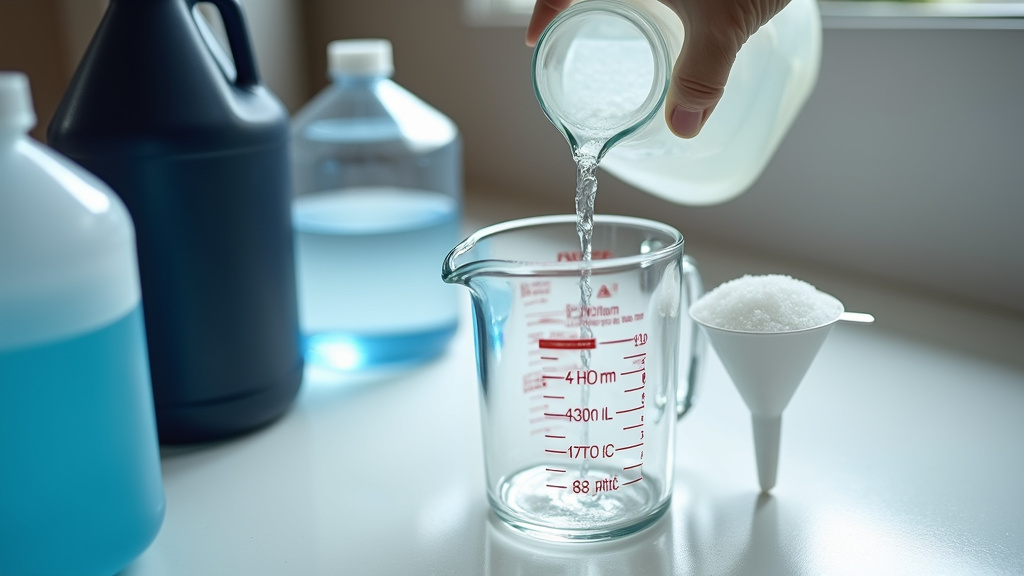
You don’t need a lab. This list gets you from zero to a stored gallon.
- Distilled or Deionized Water (1 gallon): The foundation. One gallon makes one gallon of fog juice.
- USP Vegetable Glycerin or Propylene Glycol (1 quart): A quart is roughly 946ml, which is about 25% of a gallon. This lets you mix up to a 25% VG ratio for a full gallon. For higher ratios, you’ll need more.
- Clean Measuring Cup (Glass or HDPE): For volume ratios. A 2-cup Pyrex with milliliter markings is ideal.
- Funnel: To get fluid from your mixing cup into a storage bottle without spilling.
- Airtight Storage Bottles (Dark-colored HDPE): Amber or blue chemical-resistant bottles. Size them for your needs, a half-gallon and a few quart bottles let you mix different recipes.
- Fine Sea Salt (Optional): A small shaker is a lifetime supply.
- Nitrite Gloves & Safety Glasses: Basic chemical handling protection.
Sourcing the glycerin or PG is the only hurdle. Local stores often don’t carry bulk quantities. Online retailers like Bulk Apothecary, Essential Depot, or even Amazon (search “USP vegetable glycerin gallon”) are reliable. Expect to pay $20-$30 for a gallon of VG, which will make 4+ gallons of standard fog juice.
Troubleshooting Your Homemade Fog
Your first batch might not be perfect. This table diagnoses the common issues.
| Symptom | Most Likely Cause | The Fix |
|---|---|---|
| Fog is very thin, dissipates in seconds | Glycerin/PG percentage too low | Increase glycerin content by 5-10% in your next batch. |
| Fog machine sputters, output is weak | Fluid too thick (high glycerin) or machine is clogged | For thick fluid, dilute with 10% more distilled water. For suspected clog, run a machine cleaner fluid. |
| Visible residue on floors or furniture | Low-quality glycerin or incorrect additives | Switch to USP-grade glycerin. Never use food coloring or essential oils not made for fog. |
| Fluid has turned yellow or brown | Oxidation from light/air exposure, or old glycerin | Discard fluid. For next batch, use fresher glycerin and store in a dark, full, sealed bottle. |
| Machine heater makes clicking noise, no fog | Mineral scale from past use of tap water | The heater element is crusted. A professional descaling or element replacement is needed. |
The residue issue is a big one. I once used a cheap bottle of “natural vegetable glycerin” from a craft store. The fog looked great, but after a two-hour party, the hardwood floor near the machine had a tacky, barely-visible film. It took a vinegar-water mop to remove it. USP-grade glycerin from a chemical supplier solved it.
Common mistake: Storing mixed fog juice in a used milk jug or clear soda bottle, plastic degrades and leaches, and light penetration turns the fluid in weeks. You’ll get weak, yellow fog and a plastic smell.
If you’re getting inconsistent output, check your storage first. Then verify your measurements. Volume is fine for hobbyists, but for absolute consistency, especially across multiple batches, weigh your ingredients. One milliliter of glycerin doesn’t always equal one gram, but it’s close enough for government work, as they say.
Safety, Storage, and Machine Longevity
Homemade fog juice is safe when handled like the mild chemical it is. Don’t drink it. Avoid prolonged skin contact with the concentrate. Work in a ventilated space.
The bigger safety issue is the fog itself. Even pure water vapor can trigger asthma or irritate lungs in a confined space. Always provide adequate ventilation, especially for theatrical fog fluids used indoors. Have a fan running to move air.
Storage is non-negotiable for shelf life. A full, sealed amber HDPE bottle in a cool cupboard will keep your fluid effective for 12 to 18 months. A half-full clear bottle on a warm garage shelf will degrade in 3 months. You’ll see the color change.
Never leave fog juice in the machine’s tank for more than a day or two after use. Stagnant fluid grows microbes and allows settled particles to clog the fluid pump. Always run the machine dry or drain the tank back into a storage bottle after your event.
This is the single best machine maintenance tip you can follow. I’ve repaired machines where the fluid sat for a winter. The pump was seized with a crystalline sludge, and the heater block was corroded. The repair bill was more than the machine.
Frequently Asked Questions
Can I use tap water in a pinch?
No. The dissolved minerals (calcium, magnesium) in tap water will precipitate out as limescale when heated. This coats the heating element, insulating it and reducing efficiency until the machine stops fogging entirely. The damage is cumulative and often requires a full heater replacement.
What’s the difference between glycerin and propylene glycol?
Both are hygroscopic alcohols that create fog. Vegetable glycerin (VG) is thicker, produces a slightly sweeter-smelling, denser fog, and can leave a faint residue. Propylene glycol (PG) is thinner, produces a drier fog, and evaporates cleaner. Some machines perform better with one or the other; check your manual.
How long does homemade fog juice last?
Properly stored in a full, airtight, dark container, it remains stable for 12-18 months. Signs it’s gone bad are a yellow/brown color, a sour or off smell, and significantly reduced fog output. When in doubt, mix a fresh small batch. Understanding fluid shelf life prevents disappointing show nights.
Can I make colored or scented fog?
Yes, but you must use colorants and scents specifically formulated for fog machines. Standard food coloring or essential oils will not vaporize correctly. They will either burn onto the heater, creating a foul smell and potential damage, or they will leave a sticky, staining residue on your machine and surroundings.
Is homemade fog juice safe to breathe?
The fog produced from USP-grade glycerin or PG and distilled water is considered safe for occasional use in well-ventilated areas. However, it is an aerosol that can irritate respiratory systems. Individuals with asthma, allergies, or other respiratory conditions should avoid direct exposure. It is not safe for continuous inhalation.
How do I achieve low-lying fog that stays on the ground?
You need two things: an extra-thick fluid and a way to chill the fog as it exits the machine. Mix a 50/50 water-to-glycerin ratio. Then, either use a dedicated fog chiller or direct the fog output through a container filled with dry ice and water. The cold air condenses the fog droplets, making them heavier so they roll along the floor.
Before You Go
Mixing your own fog juice strips away the mystery and the markup. You control the density, the hang time, and the cost. Start with the 70/30 water-to-glycerin recipe. Mix it precisely, store it right, and always test a cupful in your machine before filling the tank.
Remember the three rules: distilled water only, USP-grade ingredients, and never store fluid in the machine. That last one saves you more headaches and repair bills than any other tip. Your homemade fog will be as good as the store-bought stuff, often better, because you tuned it for your room, your machine, and your night. Now go make it spooky.