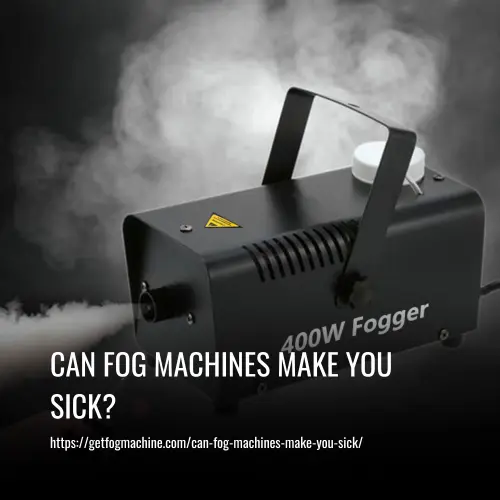
It is important to properly store your fog juice in a fog machine to ensure the longevity of the machine. When stored correctly, the fog fluid can remain in the machine for a period of time without causing damage and reducing the need for frequent refills.
To store your fog machine with fog juice, ensure that the fluid tank is leveled to prevent spills and damage to the machine. It’s essential to avoid leaving the machine sitting with a cleaning solution in it, as this can damage the motor of the machine over time. When in doubt, it’s best to refer to the manufacturer’s instructions on the proper storage of your fog machine.
Different types of fog machines require specific types of fog fluids. Make sure to read the instructions that come with your fog machine to know which type of fog juice works best with your machine. Using the wrong type of fluid can cause your machine to malfunction and damage its components.
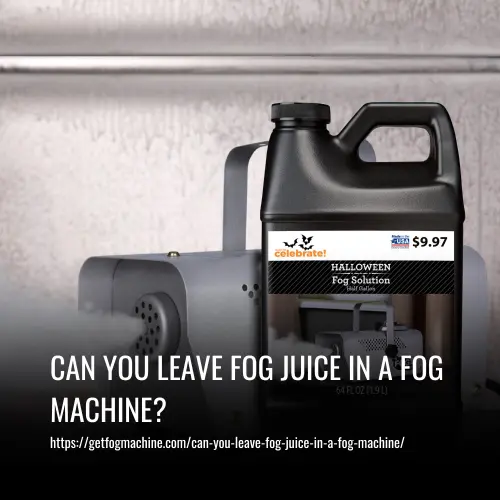
Is it Safe to Leave fog juice in the Machine for Extended Periods
It is not safe to leave fog juice in the fog machine for extended periods of time. Leaving the fog juice in the machine can result in bacterial contamination, clogged hoses, and corrosion of the internal parts of the machine.
The quality of the fog juice can also contribute to these issues. Low-quality fog juice may contain impurities that can cause bacterial growth, leading to contamination. Additionally, fog juice that contains food coloring or oil-based fluids can clog hoses and reduce the efficiency of the machine.
The cleanliness of the reservoir tank is also a crucial factor to consider. Any leftover residue from previous uses can mix with the fresh fog juice, creating a sludge that can clog hoses and lead to corrosion of the internal parts of the machine.
To ensure the safety and efficiency of the fog machine, it’s recommended to clean the machine and use high-quality fog juice before and after every use. It’s also important to follow the manufacturer’s instructions on proper storage to prevent any damage to the machine.
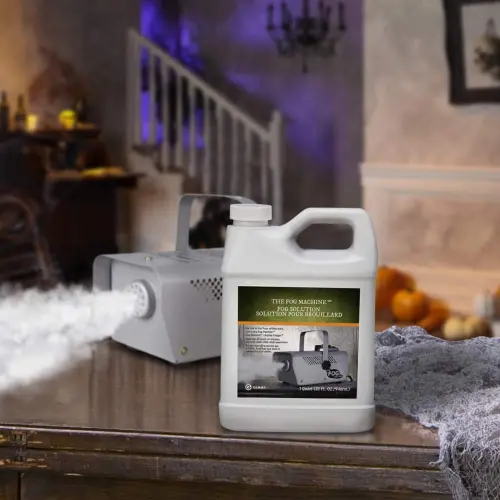
Potential Problems of Leaving Fog Juice in a Fog Machine
Fog machines are popular special effects devices commonly used in stage productions, concerts, and themed events to create fascinating visual effects such as fog, haze, and smoke. These machines contain a heated fluid tank that vaporizes fog juice or fog fluid to produce the desired effect.
However, when it comes to maintaining the quality of your fog machine and protecting your investment, it is important to understand the potential problems that may arise from leaving fog juice in a fog machine for an extended period of time. Here we will explore some of the potential problems associated with this and ways to minimize or avoid them.
1. Bacterial Contamination and Mold Growth
Fog machines or smoke machines are popular stage props used in concerts, movies, and theatrical performances. However, they can pose a health hazard if not maintained properly due to the risk of bacterial contamination and mold growth.
Bacteria and mold thrive in warm and moist environments, making fog machines the perfect breeding ground. To prevent contamination, regular maintenance is crucial. It involves cleaning the reservoir tank and the vaporizing tube after each use and using high-quality fog machine liquids that contain safe ingredients and don’t leave too much residue.
Avoid using food coloring or oil-based fluids in your fog machine, as these can contribute to bacterial growth or clog the machine’s tank and tubing. Additionally, if you notice any signs of bacterial or mold growth, take immediate action. Clean the fog machine with a vinegar solution and distilled water, as vinegar is a natural disinfectant that can kill bacteria and mold.
To clean the fog machine, simply fill the fluid tank with the vinegar solution and run the machine until it stops producing fog. This process will help remove any remaining bacteria, mold, or traces of vinegar from the machine. After that, let the machine air dry on a level surface and refill the tank with high-quality fog machine liquid.
2. Clogged Hoses and Nozzles
Regular maintenance of a fog machine is crucial to ensure its optimal performance. One of the most common issues that can occur in a fog machine is clogged hoses or nozzles. Clogging can significantly reduce the output or completely stop the machine from working. To prevent clogging, it is important to follow the manufacturer’s instructions for cleaning and maintenance.
Using a cleaning solution made of white vinegar and distilled water is a safe and effective way to clean the nozzle and internal parts of the fog machine. It is recommended to use a mixture of equal parts of white vinegar and distilled water to clean the machine. Other options include using fog machine cleaner or propylene glycol, but it is essential to ensure that they are safe for use with the particular type of fog machine.
To begin cleaning, make sure to turn off the machine, unplug it, and let it cool down. Then, disassemble the nozzle and internal parts according to the manufacturer’s instructions. Soak them in the cleaning solution for the recommended period of time. After that, use a soft brush or cloth to gently remove any residue or debris.
It is better to avoid using low-quality or oil-based fluids, food coloring, or other unsafe ingredients that can cause clogging. Also, make sure to regularly clean and maintain the fluid tank and filter according to the manufacturer’s instructions.
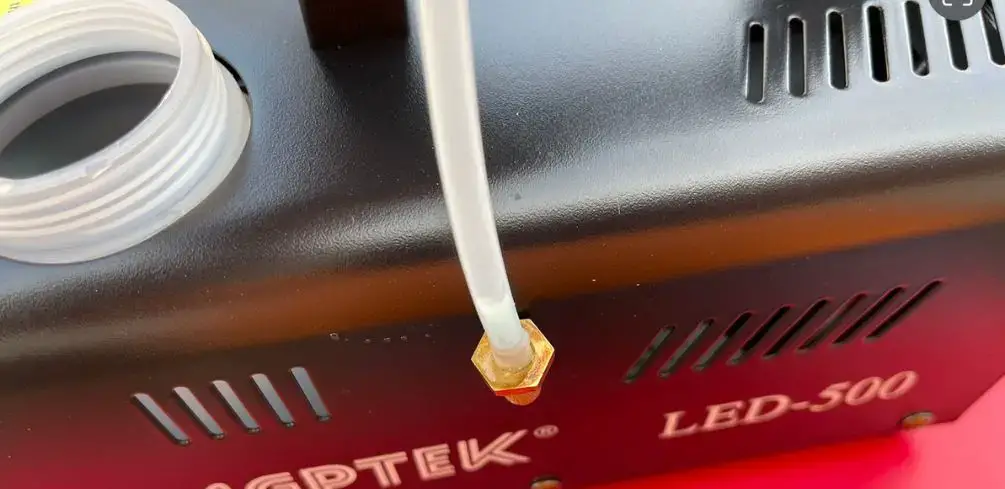
3. Corrosion of the Internal Parts of the Machine
One potential problem that can arise from leaving fog juice in a fog machine for extended periods is corrosion of the internal parts of the machine. If the machine is not used frequently, the residue left from the vaporization of the juice can promote rust formation and deterioration of the machine’s components. This can lead to a decrease in the machine’s overall performance and even render it unusable.
To avoid this, it is essential to clean your fog machine regularly and thoroughly. Using a cleaning solution made of white vinegar and distilled water is a safe and effective way to clean the nozzle and internal parts of the fog machine. It is recommended to use a mixture of equal parts of white vinegar and distilled water to clean the machine.
To ensure that your fog machine stays in good condition and performs optimally, it is also crucial to drain the fog juice from the fluid tank after each use. This will prevent any remaining residue from promoting rust formation and other types of damage to the machine’s internal components.
4. Reduced Fog Machine Performance
Leaving your fog juice in a fog machine for an extended period of time can also reduce the quality and performance of the device. This can result in a lower smoke output, reduced operating time, and possibly ruin the fog machine’s fluid tank.
To protect the integrity of the machine and its performance, you should ensure to clean it regularly appropriate methods and correct cleaning materials such as distilled water, white vinegar solutions, or a quality fog machine cleaner.
Factors To Consider Before Leaving Your Fog Juice In A Machine
Before leaving your fog machine unused with fog juice inside, it is important to consider several factors to ensure the longevity and effectiveness of the machine. Taking these precautions can help avoid damage, clogging, and other issues that may negatively impact the performance of your fog machine.
Keep reading to find out the essential factors to take into account before leaving your fog juice in the machine.
1. Quality of The Product Used
When it comes to your fog machine, selecting the right fog juice is crucial to ensure a high-quality output of fog or haze. It is essential to choose a high-quality fog juice that contains safe ingredients, especially for people with asthma.
Low-quality or oil-based fluids can cause clogged hoses and nozzles, as well as corrosion of the internal parts of your machine, resulting in costly repairs. Not to mention that they can also create an unpleasant smell and fog output, which can ruin the mood of your event.
There are different types of fog fluids available, and each has its pros and cons. Some fluids use propylene glycol, while others use distilled water as the base liquid. Additionally, there are water-based, glycerin-based, and glycol-based fluids, each providing different effects, such as thick or thin fog, long-lasting or quick-dissipating fog, and more.
It is crucial to read the manufacturer’s instructions and choose the right type of fog juice for the machine you own. Additionally, it’s important to properly clean your fluid tank routinely and use fog machine cleaner or a vinegar solution to prevent any residue buildup. Lastly, always use fog machine fluids from reputable sources to ensure a safe and high-quality output of fog or haze.
2. Cleanliness of The Reservoir Tank
To ensure the cleanliness of the reservoir tank before leaving fog juice in the fog machine for an extended period of time, it’s important to follow these steps. First, clean the fogger vaporizing tube with a solution of white vinegar and distilled water, as mentioned previously. After that, empty the fluid tank and rinse it thoroughly with distilled water.
While rinsing, check for any debris or residue and remove it using a disposable coffee filter if necessary. Then, dry the tank with a clean cloth, making sure it is completely dry before adding the fog juice. This process guarantees a clean and well-maintained tank, ensuring the quality of your fog machine’s output and avoiding any malfunctions in the future.
FAQs
It’s generally recommended to empty the fog machine after each use. Storing fog juice in the machine for extended periods can lead to clogs, residue buildup, and potentially damage the machine’s internal components.
Ideally, it’s best not to leave fog juice in the machine for more than a few days. Extended storage can cause the fog juice to break down, leading to clogs or a decrease in the machine’s performance.
Yes, leaving fog juice in the machine for an extended period without use can negatively impact its performance. It may result in clogs, a decrease in fog output, or damage to the machine’s heating element.
It’s not recommended to store fog juice in the machine between uses. It’s better to empty the fog machine’s tank and clean it thoroughly before storing it.
To maintain your fog machine, ensure that you empty the tank, clean it thoroughly according to the manufacturer’s instructions, and store it in a cool, dry place. This helps prevent clogs and ensures optimal performance when you use it next.
Old fog juice left in the machine can degrade and become thick or viscous, leading to clogs in the machine’s nozzle or tubing. It can also create a foul odor and affect the quality of the fog produced when the machine is used again.
Conclusion
In conclusion, leaving fog juice in a fog machine for extended periods of time can cause clogs and damage to the machine, resulting in reduced performance and potentially expensive repairs. To ensure the proper maintenance of your fog machine, it is recommended to use a high-quality fog machine cleaner or a homemade vinegar solution to clean the fluid tank and residue from the machine after each use.
It is also important to use high-quality fog fluids that contain safe ingredients, such as propylene glycol, and avoid using oil-based fluids or adding food coloring. By following these guidelines and properly cleaning and maintaining your fog machine, you can ensure its longevity and produce high-quality fog and haze effects without risking damage to the machine or posing a slip hazard to yourself or others.