Does Fog Machine Ruin Furniture? The Real Risks & Prevention
This post contains affiliate links. As an Amazon Associate, we earn from qualifying purchases.
Using a fog machine indoors will not ruin your furniture if you follow three rules: choose water-based fog fluid, ventilate the room aggressively, and wipe down every surface within 30 minutes after the fog clears. Ignoring any one of these invites residue stains, slippery floors, and potential damage to electronics.
Most people assume the fog itself is harmless, a temporary mist that vanishes. The real problem is what stays behind. A thin, sticky film settles on everything. On wood, it looks like a faint watermark by morning. On electronics, it acts like a conductive dust that gums up fans and circuits.
This guide covers the specific risks to different materials, the exact cleaning methods that work, and the setup mistakes that turn a fun effect into a repair bill. It’s written from the perspective of someone who has cleaned up the aftermath more times than they’d like to admit.
Key Takeaways
- Fog machine residue is primarily propylene glycol. It leaves a sticky film that stains wood and upholstery if not cleaned within an hour.
- Water-based fog fluids produce less residue than glycol-based fluids, but all fluids leave some moisture. Low-lying fog machines keep the effect near the floor, away from furniture.
- Electronics are the most vulnerable. Fog residue can clog cooling fans and, combined with moisture, promote static discharge that fries sensitive components.
- Immediate cleaning with distilled water and a microfiber cloth prevents permanent damage. For stubborn residue on wood, a 50/50 mix of distilled water and white vinegar works.
- Never place a fog machine directly on carpet. The heating element can reach 150°C and ignite fibers if left running for extended periods.
How Fog Machines Actually Work (and What They Leave Behind)
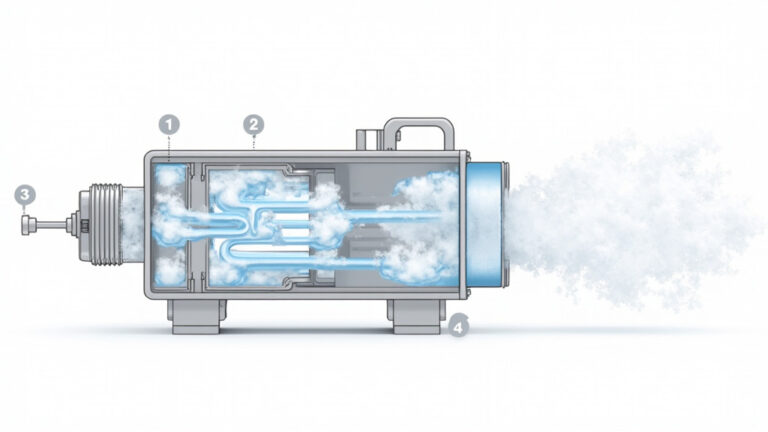
Fog machines heat a specialized fluid to create a vapor. That fluid is usually a mix of water and propylene glycol. The glycol is the carrier, it holds the water as a mist and gives the fog its density and hang time.
The heating chamber in a typical 1000W fog machine runs at about 150°C. It vaporizes the fluid mixture and forces it out through a nozzle. What you see is a cloud of tiny liquid droplets suspended in air.
Fog fluid residue is a combination of condensed propylene glycol and water. It forms a slightly oily, hygroscopic film that attracts dust and can stain porous surfaces like unfinished wood or fabric within 24 hours.
When the fog hits cooler air or surfaces, those droplets condense. They don’t just vanish. They settle.
This is the core misunderstanding. The fog “dissipates” from your view, but a microscopic layer coats every horizontal surface in the room. On a glass table, it’s a faint smear. On a wooden side table, it sinks into the grain.
TL;DR: Fog is a liquid mist, not a gas. It condenses on your furniture as a residue film, primarily made of propylene glycol and water.
The 3-Step Prevention Method: Choose, Ventilate, Clean
You can use a fog machine indoors without damage by controlling three variables: the fluid chemistry, the air movement, and the cleanup timing. Missing one step increases risk.
Step 1: Choose the Right Fluid and Machine Type
Your fluid choice dictates the residue chemistry. Your machine type dictates where that residue falls.
| Fluid Type | Primary Residue | Best For | Risk If Used Indoors |
|---|---|---|---|
| Water-Based | Light moisture film | Indoor parties, close to furniture | Can still make floors slippery; less staining |
| Glycol-Based (Propylene Glycol) | Sticky, oily film | Outdoor events, theatrical density | Stains wood and fabric quickly; attracts dust |
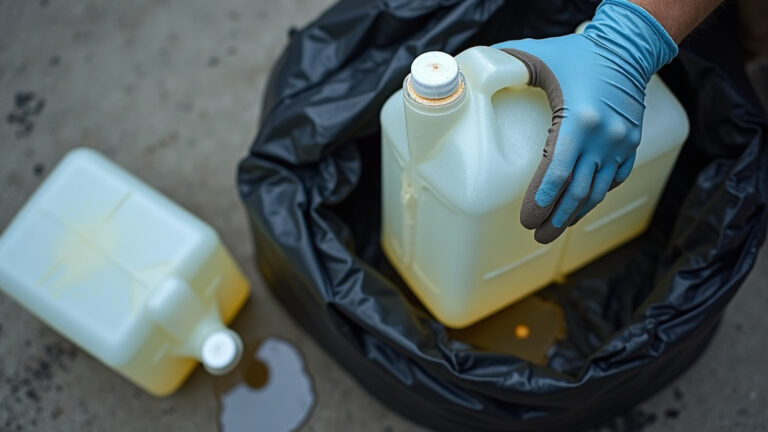
| Oil-Based | Heavy, greasy residue | Special effects (avoid indoors) | Ruins furniture permanently; toxic fumes |
Water-based fluids are the default for home use. Brands like Froggy’s or Chauvet offer them. They still leave moisture, but the film is water-soluble and wipes away easily.
Glycol-based fluids, common in professional theatrical fog, produce a thicker fog that hangs longer. The trade-off is a more tenacious residue. It feels slightly oily to the touch.
Never use oil-based fog fluids indoors. They are for industrial or specific special effects and will leave a greasy coating that requires solvents to remove.
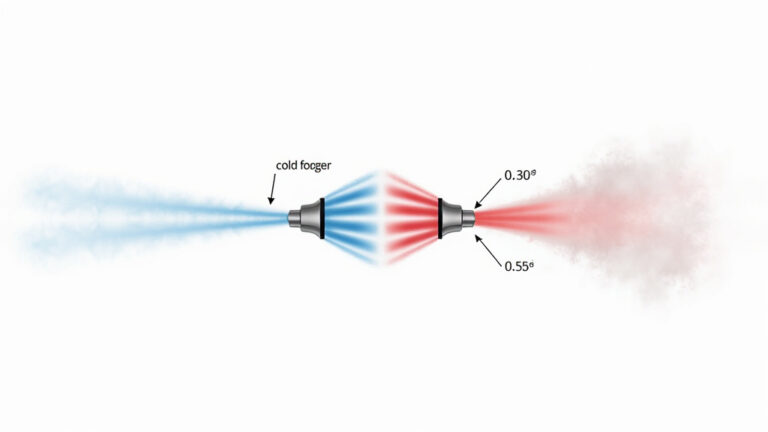
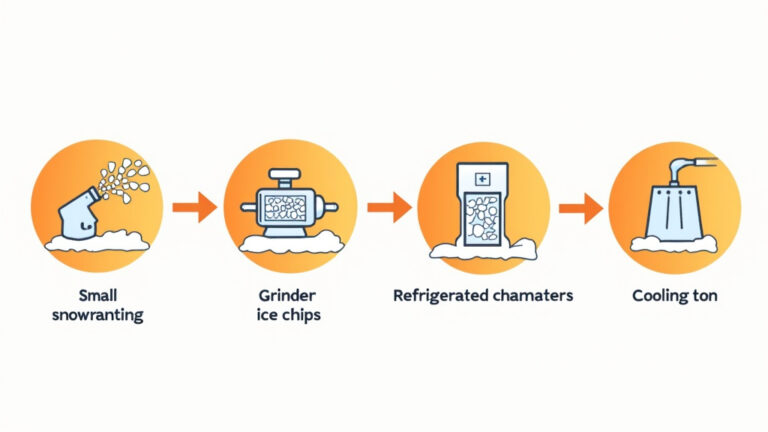
Machine type also matters. A standard fog machine shoots the cloud upward. A low-lying fog machine uses a chilling chamber to drop the fog temperature, making it sink and roll along the floor. This keeps the bulk of the residue off your sofa and shelves.
Common mistake: Using a glycol-based “theatrical” fluid for a living room Halloween party because it’s “more dramatic.”. The fog will look great for 10 minutes, but the residue on your wooden coffee table will leave a permanent shadow stain by the next afternoon.
Step 2: Ventilate Aggressively During Operation
Ventilation isn’t just about clearing the air for breathing. It’s about giving the fog droplets a path to escape outdoors before they condense on your stuff.
Open windows. Use fans pointing outward. Create cross-ventilation.
The goal is to reduce the dwell time of fog in the room. If the fog lingers for 10 minutes, nearly all of it will settle inside. If you move it out in 2 minutes, only a fraction condenses.
Placement is part of ventilation. Don’t hide the machine behind the couch. Put it near an exit point, by a door or window. Keep it at least 3 feet from any furniture surface. The nozzle output is warm and concentrated; direct spray on a surface accelerates residue buildup.
Also, never set the machine on carpet. I learned this the hard way during a long filming session. We left a Chauvet 1500 on a rug for about an hour. The machine body got hot enough to scorch the fibers underneath. A faint brown burn mark appeared. Carpet is an insulator; it traps heat against the machine’s casing.
Step 3: Clean Every Surface Immediately After Use
Residue begins to set as it dries. The propylene glycol component gets tackier. On wood, it starts to interact with the finish.
Your cleanup window is about 30 minutes after the last fog burst dissipates.
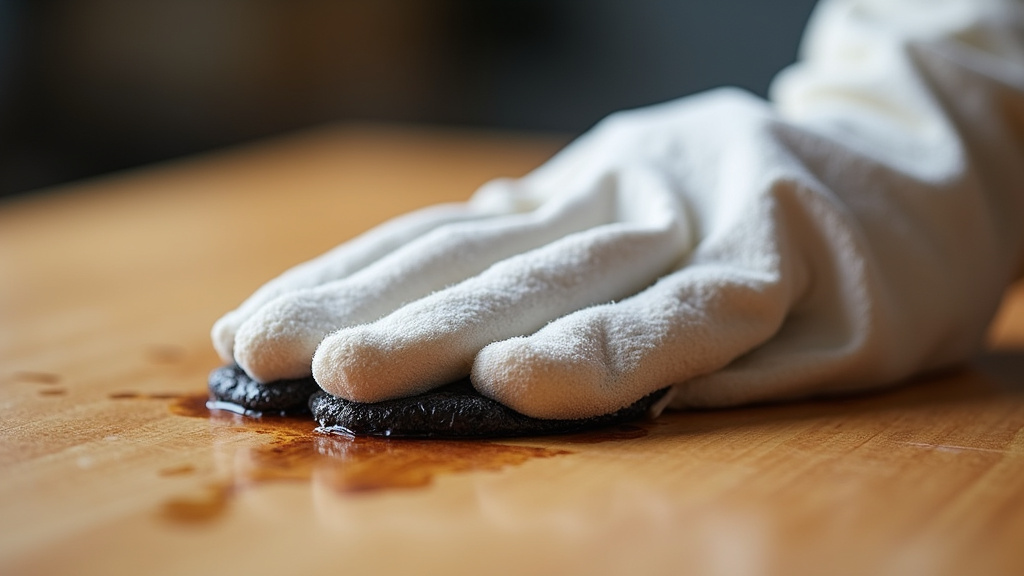
- Gather the right tools: Microfiber cloths (they trap residue without scratching), distilled water in a spray bottle, and for wood surfaces, a second bottle with a 50/50 mix of distilled water and white vinegar.
- Wipe down all horizontal surfaces: Tables, shelves, cabinet tops, the TV screen, picture frames. Don’t forget the walls, fog settles vertically too, especially near the machine.
- For floors: Mopped surfaces like tile or hardwood need a pass with a damp mop. The residue makes them slippery. If you feel a slight tackiness underfoot, that’s the glycol film.
- Check electronics: Gently wipe the exterior casings of TVs, speakers, and computers. Do not spray liquid into vents. Use a cloth lightly dampened with distilled water.
If you skip this step, the residue acts as a magnet for dust. Within a day, you’ll see a dusty film where the fog settled. On wood, that film can become a stain if the wood is unfinished or has a porous finish.
TL;DR: Use water-based fluid, point fans out windows, and wipe everything down with distilled water within half an hour after the fog clears.
What About Electronics? The Silent Risk
Fog residue poses a unique threat to electronics that most articles gloss over. It’s not just a cosmetic issue.
The residue is conductive. Propylene glycol, when mixed with condensed water, can carry a slight electrical charge. More critically, the sticky film traps dust. Dust inside a computer case or game console insulates components and clogs fan blades.
I once used a fog machine in a room with a high-end gaming PC on a desk. The fog looked amazing. Two weeks later, the PC’s GPU fan started grinding. Upon opening the case, the fan blades were coated with a grey, gummy dust, a combination of normal dust and fog residue. The fan had to be replaced.
The moisture itself can promote corrosion on unprotected metal contacts inside devices. While modern electronics are somewhat shielded, prolonged exposure in a humid, residue-rich environment isn’t safe.
Protection steps:
- Move electronics out of the room if possible. At minimum, cover them with a plastic sheet or cloth during fog operation.
- Maintain a minimum 6-foot distance between the fog machine nozzle and any electronic device.
- After fog use, wipe the exterior of all electronics with a dry microfiber cloth first to remove loose residue, then with a lightly dampened cloth (distilled water only).
- Do not run a fog machine in a server room or near audio recording equipment. The risk is too high.
Does Fog Ruin Specific Furniture Materials?
The answer varies by material. Here’s what happens to common household surfaces.
Wood Furniture (Varnished, Painted, Unfinished)
Varnished or lacquered wood has a protective layer. Residue sits on top. It will stain if left for days, but immediate wiping prevents it.
Painted wood (like kitchen cabinets) is similar. The paint is a barrier.
Unfinished or oil-finished wood is the most vulnerable. The residue sinks into the grain. It can darken the wood unevenly, creating water-like spots. These spots may not come out with cleaning.
For unfinished wood, prevention is the only cure. Keep fog away, or cover the piece entirely.
Upholstery (Fabric, Leather, Synthetic)
Fabric upholstery absorbs residue like a sponge. The propylene glycol leaves a faint sticky feeling. It also attracts dust, making the fabric look dingy faster.
Leather is more resistant. Residue sits on the surface, but if leather is dyed or treated, the residue can interact with the dyes. Wipe leather down promptly.
Synthetic upholstery (polyester, nylon) is generally safe if cleaned quickly. The materials are non-porous.
Common mistake: Assuming a leather sofa is “safe” and not wiping it down after fog use.. The residue mixes with leather conditioner and forms a film that alters the leather’s texture over time, making it feel artificially stiff.
Carpets and Rugs
Fog doesn’t ruin carpet fibers directly. The residue, however, gets trapped in the carpet pile. Over multiple fog events, this builds up a sticky layer deep in the carpet that regular vacuuming won’t remove.
It also makes carpets slightly slippery, a strange sensation when walking.
The heat hazard is more immediate. As mentioned, placing the machine on carpet can scorch it.
Solution: Use a low-lying fog machine that keeps the fog low, or place your machine on a raised platform (a small table or board). Vacuum the carpet thoroughly the next day.
The Health and Safety Side: More Than Just Furniture
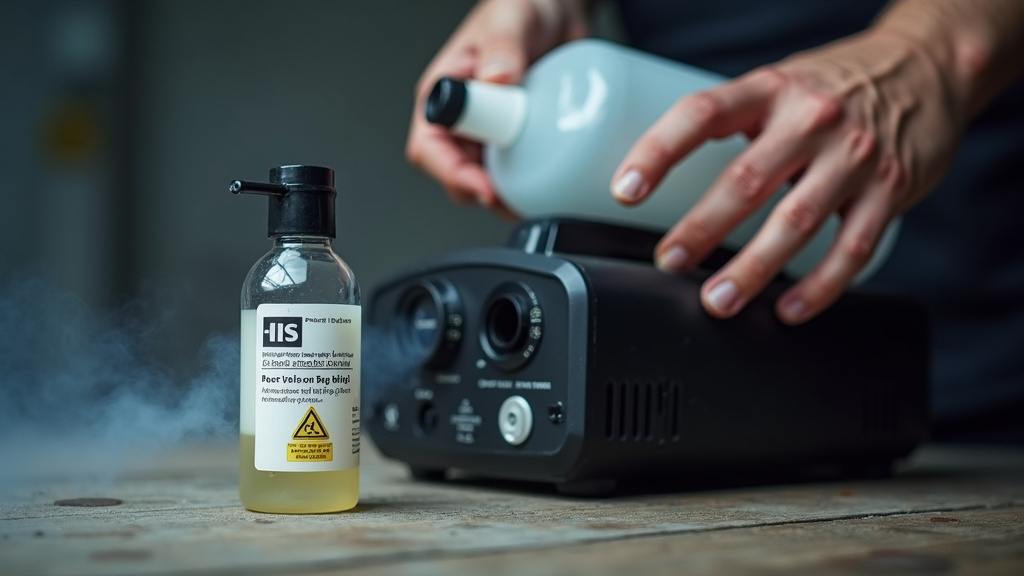
Fog machines introduce other risks that impact your home environment. These aren’t about furniture damage, but they’re part of responsible use.
Respiratory irritation: Prolonged exposure to fog in an unventilated space can cause coughing or throat irritation, especially in people with asthma. The particles themselves are not toxic, but the density can be irritating. Ventilation solves this.
Smoke alarm activation: Many smoke alarms are particle detectors. A dense fog cloud can trigger them. Consider temporarily disabling alarms in the immediate room (if safe to do so) or using less fog.
Toxic fog from improper fluid: Using oil-based fluids, or adding scents or colors to standard fluid, can create harmful fumes when heated. This is a health risk and can also deposit more harmful residues.
Fire risk from overheating: Cheap fog machines without proper thermal cutoffs can overheat. Always follow manufacturer guidelines on run times. A typical 1000W machine should not run continuously for more than 10 minutes.
Before you start: Fog machines get hot, touch only the handle. The fluid is heated to 150°C; spilled fluid can burn. Always use manufacturer-approved fluid; homemade mixes can produce toxic fumes. Ensure the room is ventilated; dense fog can trigger smoke alarms and cause respiratory discomfort.
Frequently Asked Questions
Can I use a fog machine in a room with expensive antiques?
No. The risk is too high. Antique wood often has fragile, porous finishes. Residue can penetrate and cause irreversible staining. Either move the antiques out or skip the fog machine entirely.
How long does it take for fog residue to cause permanent damage?
On most modern furniture with synthetic finishes, residue needs 24-48 hours to potentially stain. On unfinished wood or delicate fabrics, damage can begin within a few hours. The safe rule is clean within 30 minutes.
Do dry ice fog machines ruin furniture?
Dry ice machines (which sublimate solid CO2 into a cold fog) produce a residue-free fog. However, they still release moisture as the cold fog condenses. They can make floors wet and slippery, but won’t stain furniture. The fog is also less dense and dissipates very quickly.
Will fog ruin my TV or computer screen?
It can leave a filmy residue on the screen that distorts viewing. This cleans off easily with a screen-safe cloth and distilled water. The greater risk is to the internal components, as discussed in the electronics section.
Can I use a fan to blow the fog away from my furniture?
Yes, strategically placed fans can direct the fog cloud away from sensitive areas. Point the fan so it pushes the fog toward an open window or door, not just around the room.
Is there a fog machine that guarantees no residue?
Low-lying fog machines minimize residue on elevated furniture. Dry ice machines produce no chemical residue. However, all fog machines introduce moisture into the air, which can condense. “No residue” is not a realistic claim for any machine using heated fluid.
The Bottom Line
A fog machine is a tool for atmosphere, not a hazard if you treat it with respect. The path to keeping your furniture safe is straightforward: pick a water-based fluid, blast the fog out of the room with fans, and wipe down every surface before the residue sets.
The real cost of skipping these steps isn’t immediate. It’s a gradual accumulation of sticky films, dust magnets, and the quiet degradation of electronics. I’ve replaced a GPU fan and scrubbed a shadow stain off a maple table that took three polishing sessions to fade. Both were from single events where I thought “it’s just fog.”
Your furniture is fine if you control the chemistry, the airflow, and the clock. Do all three.