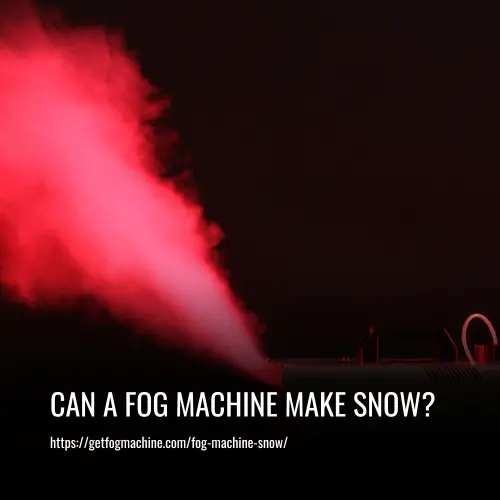
No, a fog machine cannot make real snow. Snow is formed when water vapor in the air freezes into ice crystals, which then fall to the ground.
A fog machine produces a mist by vaporizing a liquid, usually water or a water-based solution, but it does not create the necessary conditions for snow formation.
The Difference Between Fog And Snow Machines
A fog machine and a snow machine are both effects makers commonly used at concerts, parties, and other events. However, they create different effects using different methods.
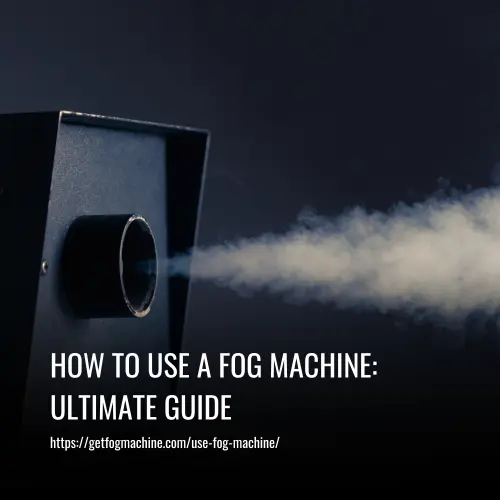
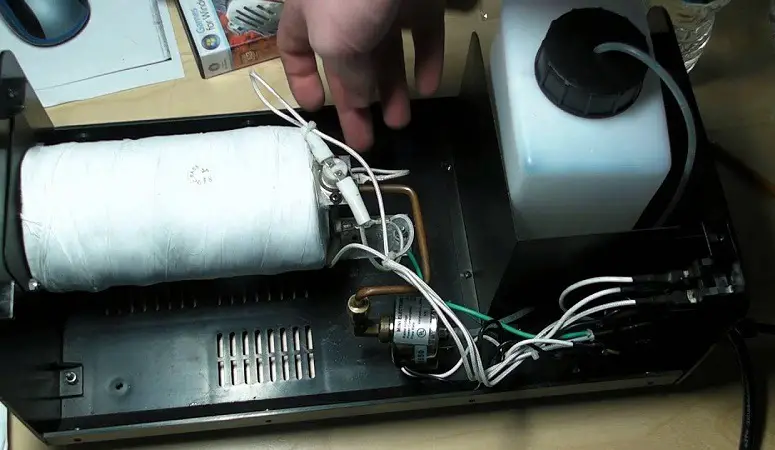
A fog machine works by heating up a special fog fluid, which creates smoke when it evaporates. This smoke can be low-lying or high-lying, depending on the desired effect. Fog machines are versatile and offer various other effects options.
On the other hand, a snow machine uses a special fluid to create snowflakes. When the fluid is put into the machine, it generates flakes that can disperse up to 50 feet before evaporating. Unlike the fog fluid, this snow fluid is not toxic. However, it can leave the ground damp, so caution should be exercised when using it.
It’s important to note that when we refer to snow machines in this comparison, we are specifically discussing machines that create snowflake effects, not the powerful machines used for indoor skiing or to add powder to ski slopes.
In summary, the main difference between fog machines and snow machines lies in the type of effect they produce. Fog machines create smoke by evaporating fog fluid, while snow machines create snowflake effects using special snow fluid.
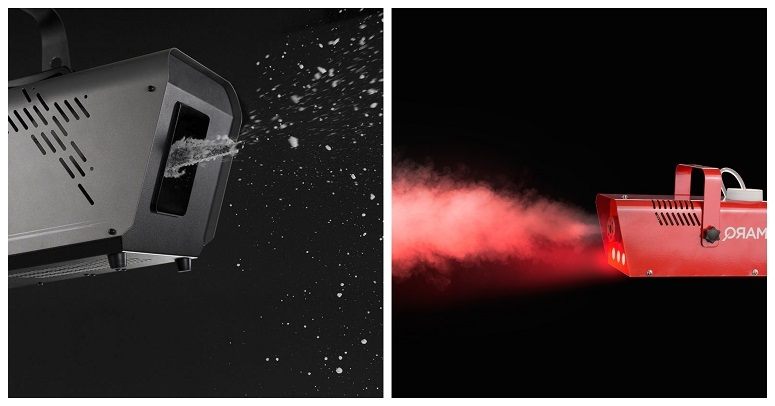
Can A Fog Machine Make Snow?
If you’re trying to save money but looking to have both snow and fog at your next event, you’ve probably wondered if can I use my fog machine for a snow machine. While it would certainly make things easier, this won’t work, so you’ll be required to have a separate one for each.
There are two reasons why you can’t make snow with a fog machine and vice versa, but the main one comes down to the mechanisms of it. Fog is created by heating liquid where the snow liquid is dispersed as dry flakes that evaporate, so they require completely different things.
Secondly, the liquid itself is of a different nature. Putting snow liquid in your fog machine will likely clog it up and the output would not be the same as you what you expected. You’ll ultimately end up ruining the machine entirely, so it’s simply not worth the risk.
Why Can’t You Make Snow with a Fog Machine?
You cannot make snow with a fog machine due to two main reasons. Firstly, fog and snow are formed in different ways. Fog is created by heating a liquid, whereas snow is formed from dry flakes. The process of creating snow involves the evaporation of these flakes, which is not possible with a fog machine. Secondly, the type of liquid used in fog machines is different from that used to create snow.
Using snow liquid in a fog machine will most likely clog the machine, leading to unsatisfactory results. In fact, attempting to use snow liquid in a fog machine can potentially damage the machine completely. This is because the fluids used in fog and snow machines are designed for their respective purposes and cannot be interchanged.
Mixing the two fluids would result in clogging the machinery and generating a weak and unpleasant-smelling fog. This is not something you would want to breathe in while using a fog machine. Therefore, it is important to use the appropriate fluids for each machine to avoid any damage and ensure optimal performance.
Are You Able to Convert Fog Machine to A Snow Machines?
No, it is not possible to convert a fog machine into a snow machine or vice versa. This is because they have different mechanics and use different types of fluid.
A fog machine works by heating a special fog fluid which then creates a dense fog when it comes into contact with the cool air in the room. On the other hand, a snow machine uses a separate type of fluid and operates by creating tiny water droplets that freeze before falling to the ground, creating the illusion of snow.
If you frequently need both fog and snow effects, it is advisable to invest in a specialized fog and snow machine. These machines may be purchased individually, or there are also gadgets available that can produce both fog and snow effects. However, due to the complexity of the internal workings and the need for independent operation of both fog and snow functions, these machines are often quite expensive.
When Would You Use Each Machine?
Fog machines and snow machines are both great tools for creating special effects in a variety of settings. Depending on the application, one might be more suitable than the other.
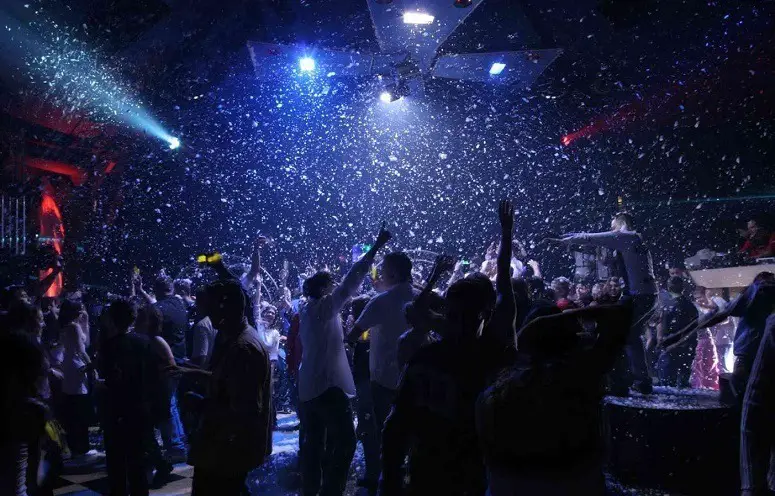
- Winter balls: A snow machine would be perfect for creating a winter wonderland atmosphere indoors. It can disperse artificial snowflakes, making it feel like the right season even if it’s not snowing outside.
- Christmas parties: Adding a snow machine can make a Christmas party feel more magical and realistic, especially in areas where it doesn’t snow. The falling snowflakes can create a festive and enchanting ambiance.
- Halloween parties: A fog machine is an indispensable tool for creating a spooky atmosphere at a haunted house or Halloween party. It can fill the room with a mysterious, smoky fog, making the experience more immersive and eerie.
- Dancefloors: Fog machines are commonly used on dancefloors to create a stunning visual effect. The low-lying fog creates a captivating and ethereal aura around the dancers, enhancing the overall atmosphere and adding a touch of drama.
- Concerts: Both fog and snow machines can be used to enhance the visual spectacle of concerts. With the addition of appropriate lighting, either machine can create a mesmerizing backdrop on the stage, adding depth and dimension to the performances.
Having both a fog machine and a snow machine gives you the versatility to transform various spaces and events. From creating a winter wonderland indoors to adding a spooky touch to Halloween parties, these machines are invaluable in setting the right mood and ambiance for different occasions.
Instant Atmosphere For Any Type Of Event
When it comes to creating instant atmosphere for any type of event, fog machines and snow machines are popular choices. Fog machines are great for creating a mysterious or spooky atmosphere, while snow machines are perfect for winter themed events.
However, it is not possible to convert a fog machine into a snow machine. This is because fog and snow are created using different methods and require different types of fluids.
If you’re curious about what a fog or smoke machine can do, you can try creating your own at home. While homemade versions may not match the quality of professional devices, they can still be fun to experiment with and see what effects you can create.
FAQs
Fog and snow machines operate by using a specific fluid to create the desired effect. When the fluid is fed into the machine, it produces flakes that can travel up to 50 feet before dissipating. It is important to note that the fluid used is non-toxic, but caution should be exercised as it may leave the ground moist.
Yes, having access to both a fog machine and a snow machine provides flexibility for various venues and events. These devices can be used in different settings to create the ideal ambiance.
The safety of a fog machine depends on how it functions and how it is operated. When purchasing a fog machine, it is important to ensure that it can heat the fog fluid to the proper temperature. The primary constituents of fog fluids are activated and deionized water, with glycerine and propylene glycol as examples of glycols used as active ingredients. Overheating the fog fluid can be dangerous, resulting in toxic byproducts. It is crucial to follow the manufacturer’s instructions and use the suggested fluid for safe operation.
Snow machines may contain methylene chloride, a fast-evaporating solvent, in spray-on fake snow products. It is important to use caution when using these aerosols. They should not be sprayed in areas with poor air movement, small enclosed spaces, or near heat sources. Methylene chloride inhalation can be harmful, and sensitive skin should avoid direct contact with artificial snow. In case of contact with the skin or eyes, thorough rinsing with soap and water is recommended.
Conclusion:
While a fog machine not be able to make real snow, it can definitely create a magical winter wonderland effect. Whether you’re hosting a holiday party or just want to add a touch of whimsy to your home, a fog machine can bring the joy and excitement of a snowy day right to your doorstep.
So go ahead, let your imagination run wild, and let the fog machine transport you to a snowy paradise, even if just for a little while. Happy snow-making!
Resources: