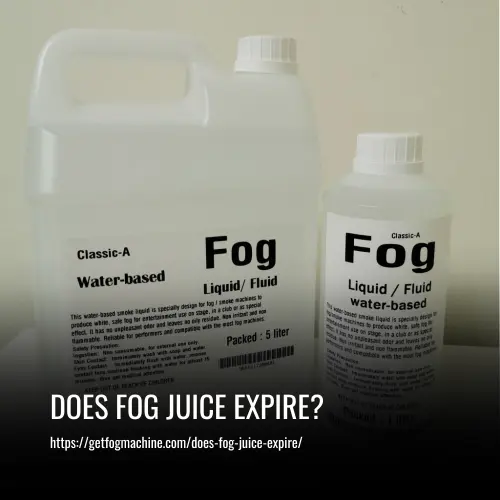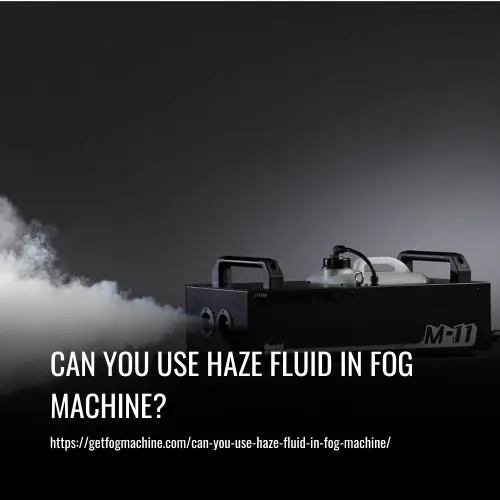
To dispose of fog machine liquid, it is recommended to first check the manufacturer’s instructions for specific disposal guidelines. In general, you should not pour the liquid down the drain or dispose of it in a regular trash bin.
Instead, it is best to contact your local waste management facility to inquire about proper disposal methods. This may involve taking the liquid to a hazardous waste collection site or arranging for a pickup by a hazardous waste disposal service.
It is important to follow these guidelines to ensure that the fog machine liquid does not contaminate the environment or pose a risk to human health.
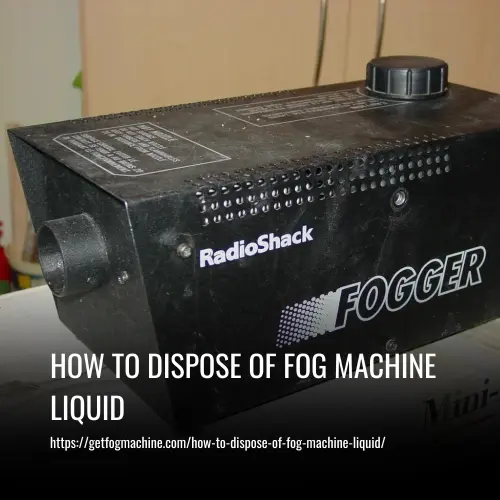
How To Dispose Of Fog Machine Liquid
Proper disposal of fog machine liquid is crucial to ensure the safety of both people and the environment. Here we will discuss the steps you need to take to safely dispose of fog machine liquid. Whether you have leftover fog machine fluid or need to get rid of an old bottle, following the guidelines below will help you dispose of fog machine liquid responsibly.
1. Contacting the Manufacturer for Guidance on Disposal
When it comes to disposing of fog machine liquid, it is important to contact the manufacturer for guidance. The manufacturer has the expertise and knowledge of their specific product, making them the most reliable source for proper disposal methods.
By reaching out to the manufacturer, you can ensure that you are following the correct procedures for disposing of fog machine liquid. They can provide detailed instructions on how to safely and responsibly handle the liquid to avoid any harm to yourself or the environment.
Disposing of fog machine liquid improperly can have negative effects, such as environmental pollution or damage to infrastructure. To prevent these issues, it is essential to consult the manufacturer’s guidance.
Remember, each fog machine liquid may have different properties and compositions, making it crucial to rely on the manufacturer’s expertise to determine the best way to dispose of it. Take the time to contact the manufacturer to obtain their specific advice on properly disposing of fog machine liquid.
2. Local Waste Management Guidelines for Disposal
When it comes to disposing of fog machine liquid, it’s important to follow the local waste management guidelines to ensure proper and responsible disposal. By doing so, you can prevent harm to the environment and comply with waste diversion practices.
Local waste management guidelines may vary, so it’s essential to check with your specific local authorities for their regulations on fog machine liquid disposal. This will help ensure that you follow the necessary procedures and avoid any potential fines or penalties.
As part of waste diversion practices, the 5R’s (Refuse, Reduce, Reuse, Recycle, Recover) should be prioritized. When it comes to fog machine liquid, refuse any unnecessary purchases or usage to minimize waste. Additionally, consider reducing the quantity of fog machine liquid used to minimize the volume requiring disposal.
While recycling is an important aspect of waste management, it’s not always the most effective solution for fog machine liquid disposal. Due to the chemical components, recycling may not be an option for this particular substance. In such cases, proper disposal according to local guidelines becomes crucial.
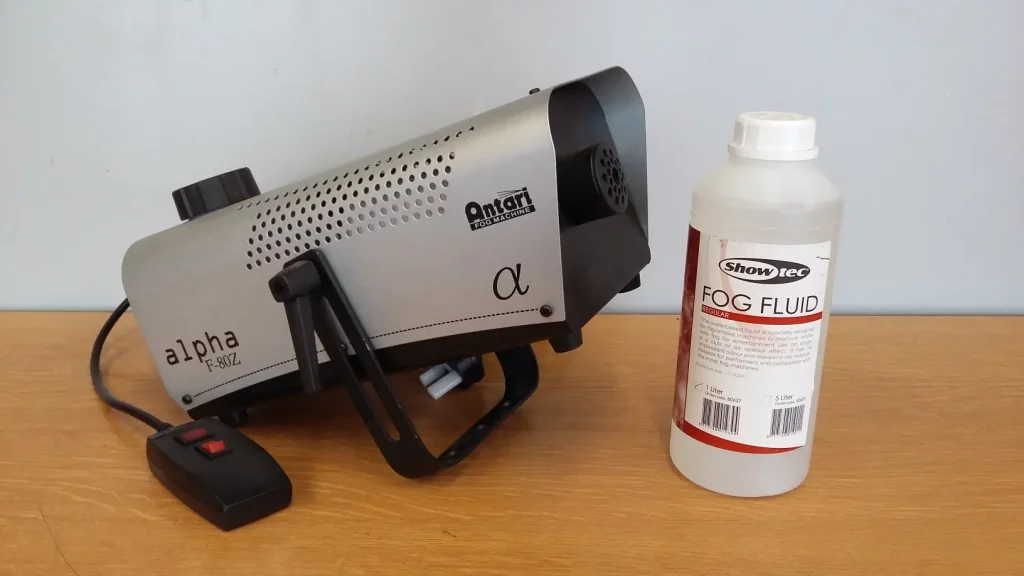
3. Use a Professional Waste Removal Service
When it comes to disposing of fog machine liquid, it is important to adhere to proper waste management guidelines to prevent any potential environmental harm. Due to the chemicals present in fog machine liquid, it is crucial to ensure safe and responsible disposal methods are followed.
To guarantee proper disposal, it is recommended to contact a professional waste removal service. These experts are trained in handling hazardous substances and have the knowledge and resources to dispose of fog machine liquid safely. They can guide you through the specific procedures and regulations in your local area, ensuring compliance with any relevant laws.
By using a professional waste removal service, you can have peace of mind knowing that the fog machine liquid will be disposed of in an environmentally friendly manner, minimizing any potential risk to the ecosystem.
4. Properly Contain and Label the Fluid Before Disposal
Properly containing and labeling fog machine liquid before disposal is important to ensure the safety of both the environment and individuals handling the liquid. To properly contain the liquid, use a sturdy container that is compatible with the fog machine liquid. Make sure the container is in good condition and has a secure lid to prevent leaks and spills.
Labeling the container is also crucial. Clearly mark the container with the words “Fog Machine Liquid” to indicate the contents. Additionally, include the date of disposal on the label to help keep track of its shelf life. This information is important for proper waste management and to avoid confusion with other liquids.
Properly containing and labeling fog machine liquid before disposal is a responsible way to handle potentially hazardous substances. By securely sealing the container and clearly labeling it, you can help ensure the safety of both people and the environment.
5. Recycle or Reuse the Used Fluid When Possible
Recycling or reusing used fog machine fluid is a great way to reduce waste and minimize environmental impact. By following a few simple steps, you can recycle or reuse your used fog machine fluid effectively.
One option is to recycle the fluid by filtering it to remove any debris or contaminants. This can be done by using a fine mesh filter or a coffee filter to strain out any particles or impurities. Once the fluid is filtered, it can be poured back into the fog machine for reuse.
Another option is to donate the used fluid to theaters or entertainment venues. They may have a use for it in their fog machines or other special effects equipment. By donating the fluid, you not only help reduce waste but also support the arts and entertainment industry.
Remember to label the recycled or reused fog machine fluid appropriately, indicating the date of recycling or reuse. This will help prevent any accidental mixing or confusion with new or unused fluid. By recycling or reusing your used fog machine fluid, you can make a positive impact on the environment while also potentially benefiting others in the entertainment industry.
6. Using a Reusable Container for Storage and Transporting Used Fluid
When it comes to disposing of fog machine liquid, using a reusable container for storage and transportation can provide several benefits. By using a clean, airtight container, you can help keep the fluid free from impurities and extend its shelf life.
There are various types of containers that can be used for this purpose. Plastic or glass bottles with secure lids are commonly used options. The key is to ensure that the container is clean and doesn’t have any residue from previous use.
Labeling the container is also important. Clearly indicate that it contains used fog machine fluid to avoid any confusion or accidental use. This will help ensure proper handling of the liquid and prevent any potential accidents or misuse.
7. Do Not Pour Down the Drain or Into the Environment
When it comes to disposing of fog machine liquid, it’s important to remember: Do not pour it down the drain or into the environment. While it may seem like a convenient solution, this careless action can have serious environmental consequences.
Pouring fog fluid down the drain can introduce harmful chemicals into our water systems. The environmental impact can be significant, as fog machine liquids often contain oils and other substances that are not safe for our ecosystems. These chemicals can contaminate water sources, harm aquatic life, and disrupt the delicate balance of our natural environment.
To properly dispose of fog machine liquid, it is crucial to divert waste from landfill and avoid introducing harmful substances into the environment. Look for alternative methods of disposal, such as bringing it to a hazardous waste collection facility or contacting your local waste management authorities for guidance on how to handle the liquid safely.
By responsibly disposing of fog machine liquid, we can protect our environment and prevent potential harm to our ecosystems. Let’s do our part to ensure a cleaner and healthier future for all.
Why is Disposing of Fog Machine Liquid Important
Properly disposing of fog machine liquid is essential for several reasons. Not only does it ensure the longevity and effectiveness of your fog machine, but it also helps protect the environment and prevent potential hazards. Here’s why disposing of fog machine liquid is important:
1. Prevents machine damage
Over time, fog machine liquid can degrade and become less effective. If used beyond its recommended period of time, it can damage the heat exchanger and clog the machine’s nozzle, resulting in poor performance and costly repairs.
2. Environmental protection
Fog machine liquid contains chemicals that may be harmful to the environment if not disposed of correctly. By following proper disposal methods, you can prevent these chemicals from entering waterways and soil, protecting ecosystems and wildlife.
3. Safety
Some fog machine liquids may contain hazardous substances that can pose a risk to human health if not handled or disposed of properly. By taking the necessary steps to safely dispose of the liquid, you can minimize potential harm to yourself and others.
4. Compliance with regulations
Disposing of fog machine liquid in accordance with local regulations helps ensure that you are complying with environmental and waste disposal laws. It is important to check with your local authorities or waste management facilities for guidance on proper disposal methods.
By understanding the importance of proper disposal, you can maintain the performance of your fog machine, protect the environment, and promote safety for yourself and others.
FAQs
It is recommended to dispose of fog machine liquid properly by contacting your local hazardous waste facility or following the guidelines provided by your municipality. Pouring fog machine liquid down the drain or into the trash can be harmful to the environment.
In some cases, fog machine liquid may be considered hazardous waste and cannot be recycled or reused. It is best to contact your local recycling center or hazardous waste facility for guidance on recycling options.
Improper disposal of fog machine liquid can lead to water pollution, contamination of soil, and harm to wildlife. The chemicals present in fog machine liquid can have harmful effects on the environment if not disposed of correctly.
If the fog machine liquid is still usable and within its shelf life, consider finding ways to utilize it. You can offer it to someone who may be in need of fog machine liquid or donate it to a theater group or event venue.
Conclusion
In conclusion, proper disposal of fog machine liquid is essential to ensure the safety of both the environment and individuals. It is recommended to check the manufacturer’s guidelines for any specific instructions regarding the disposal of fog machine liquid.
If the liquid is still usable, it can be stored properly for future use, considering factors such as shelf life and quality. If the liquid cannot be reused or has expired, it should not be poured down the drain or disposed of in regular trash. Instead, it should be taken to a designated hazardous waste facility or disposed of through a professional waste management service.
Pouring fog machine liquid into a chemical-resistant container and sealing it tightly is also recommended to minimize the risk of leaks or spills. By following these disposal guidelines, we can ensure the responsible and safe management of fog machine liquid.