Steps to Throw the Best House Party: A Complete Guide
This post contains affiliate links. As an Amazon Associate, we earn from qualifying purchases.
To throw the best house party, you need to match three things: a curated guest list of fun people, a deep playlist of sing-along music, and a calculated over-supply of drinks and snacks. The host’s job isn’t to be the star, but the conductor, setting the vibe, making introductions, and quietly managing the flow so everyone else has a memorable night.
Most people think a great party is about the fancy cocktail or the expensive speaker system. They’re wrong. It’s about the people in the room and the energy between them. A party with mediocre drinks but fantastic guests will outlast a party with top-shelf liquor and a room full of strangers staring at their phones.
This guide walks through the seven non-negotiable steps, from the first invite to the last goodbye. We’ll cover the math for booze, the psychology of playlist order, and the host rituals that separate a legendary night from a flop.
Key Takeaways
- Personal invites beat group texts. A direct message shows intent and dramatically increases your RSVP commitment rate. Mass blasts get ignored.
- Music is the foundation, not the decoration. Your playlist needs to be at least 4 hours long, start with universally loved tracks, and be curated in advance. Relying on shuffle or a streaming radio station is a party killer.
- Calculate your alcohol, then add 20%. Use the formula: (Number of guests) x (2 drinks for first 2 hours) + (1 drink per hour after). Then buy that much, plus extra for the inevitable over-servers.
- The host pre-game is mandatory. Have your first two drinks with your setup crew 30 minutes before doors open. It takes the edge off and ensures you’re in a welcoming, fun mood from the first guest arrival.
- Your neighbors can shut you down. Tell them about the party in person, give them your number, and ideally invite them. A quick heads-up is cheaper than a noise violation ticket.
The 7-Step Blueprint for a Seamless Night
Forget winging it. A party that feels effortless is the result of a tight plan executed with relaxed confidence. This sequence is based on the two-month timeline used for large-scale events, compressed for a typical house gathering.
Step 1: The Guest List (3-4 Weeks Out)
Curate, don’t collect. Aim for 15-20 people for an intimate vibe, 40-50 for a full-blown event. Density matters, shoot for about one person per 10-15 square feet of open floor space. More than that and it feels like a subway car at rush hour.
Now, invite them personally. No mass Facebook events. No group texts. Send a direct text or DM: “Hey, having a thing on the 15th, you should come.” This personal touch is what DJ and promoter Melvo Baptiste calls the most important factor, it builds commitment. Ask for an RSVP. That commitment changes a “maybe” into a “yes.”
Step 2: Drinks & Food (2 Weeks Out)
This is procurement. For drinks, use the standard industry formula: plan for each guest to have 2 drinks in the first two hours, then 1 drink per hour for the remainder. For a 5-hour party, that’s 4 drinks per person. Multiply by your guest count.
Always over-buy. A 20% buffer saves you from the dreaded dry bar. For a crowd of 20, that’s 80 drinks, plus 16 extra. Stock a basic bar: a crowd-pleasing whiskey like Monkey Shoulder for sipping or mixing, a gin, a vodka, a red and white wine, and a case of beer. Allocate 20% of your budget to non-alcoholic options, good sparkling waters, fancy sodas, and a non-alcoholic punch. People will drink them.
Common mistake: Under-buying ice, you need at least 1 pound per guest, plus 2 pounds for chilling bottles in tubs. Running out of ice is a silent party killer that happens around hour three.
Food is fuel, not a feast. Think bite-sized and non-greasy: skewers, sliders, veggie platters with a good dip, a cheese board. Things people can eat with one hand while holding a drink. Prepare 90% of it before the party starts.
TL;DR: Buy 20% more booze and ice than your math says. Make food that can’t spill on your couch.
Step 3: The Soundtrack (1 Week Out)
Your music cannot be an afterthought. As legendary DJ Norman Jay MBE puts it, bad music choice can upset guests immediately. Start building a playlist now.
It must be at least 4 hours long. This prevents jarring repetition. The first 30 minutes are critical: play familiar, upbeat, sing-along tracks. This isn’t the time for your deep-cut B-sides. You need to engage people immediately, not challenge them. Use a service like Spotify and download the playlist to avoid Wi-Fi skips.
Consider the flow: start high-energy, maintain a groove through the peak hours, and have a slower, wind-down segment ready for the end.
Step 4: Atmosphere & Flow (Day Of)
Lighting is everything. Turn off the harsh overhead lights. Use floor lamps, string lights, or even flameless candles. It makes people look better and feel more relaxed.
Create zones. One room for music and dancing (clear the floor space!). Another room, slightly quieter, for conversation. A third area for the food and drink station. This prevents bottlenecking and gives people psychological space to move.
Do a safety sweep. Tuck away loose cords, secure wobbly furniture, and make sure your fire extinguisher is accessible. It’s the boring stuff that prevents the memorable disasters.
A house party lives or dies in the first 45 minutes. If the music is right, the lights are low, and the host is visibly relaxed, the crowd’s nervous energy converts into social momentum. If any of those three are off, you’ll spend the rest of the night trying to resuscitate a flatlining vibe.
Step 5: The Host Pre-Game (1 Hour Before Start)
This is the ritual most guides skip. About 60 minutes before your official start time, have your first drink with your roommates or closest friends helping you set up. The goal is to get to a pleasant, warm level of tipsiness, what Vice once aptly called “host drunk.”
Why? Because the first guests will arrive nervous. If you, the host, are also nervous and stone-cold sober, that energy is contagious. If you’re already smiling and loose, you absorb their anxiety and reflect back comfort. It sets the entire tone.
Step 6: Active Hosting (Party Time)
Your job now is to be a social catalyst, not the bartender. Make introductions. “Sarah, this is Mark, he also builds model rockets.” Connect people. Keep an eye on the drink station and food platters, refill them before they’re empty.
Have a trusted friend act as a co-pilot. Their job is to handle gatecrashers, deal with any overly intoxicated guests, and give you a signal if you’re neglecting part of the room. You cannot monitor everything alone.
Step 7: The Graceful Exit (Last 90 Minutes)
The party will not end itself. About 90 minutes before you want everyone gone, start engineering the soft landing. Put on a playlist of slower, familiar tunes. Start offering coffee. Begin consolidating empty bottles and cans into recycling bags, this is a visual cue.
Most guests will take the hint. For the few who don’t, be direct but kind. “Hey, we’re gonna start winding down, but it was so great having you!” No one has ever been offended by that.
How Much Alcohol Do You Actually Need?
Let’s move from theory to math. This table breaks down the drink quantities for different party sizes and durations, using the industry-standard formula. Remember, these are targets for an open-bar style party. For a BYOB, halve these numbers and communicate the plan clearly.
| Party Size | Party Length | Total Drinks Needed | Breakdown (Beer/Wine/Spirits) |
|---|---|---|---|
| 10 guests | 4 hours | 40 drinks | 24 beers, 8 wine servings, 8 spirit mixes |
| 20 guests | 5 hours | 100 drinks | 60 beers, 20 wine servings, 20 spirit mixes |
| 40 guests | 6 hours | 240 drinks | 120 beers, 60 wine servings, 60 spirit mixes |
The “spirit mixes” column assumes each 750ml bottle of liquor yields about 16 standard drinks. For 20 spirit mixes, you’d need two bottles of your base spirits (e.g., whiskey, gin, vodka).
Your non-alcoholic allocation is separate. For 20 guests, have 24-30 cans of premium soda, sparkling water, or non-alcoholic beer ready. They will disappear.
Batch cocktails are your secret weapon for cost and speed. A single large-batch punch or margarita mix, made with a good-value spirit and fresh citrus, serves dozens in minutes and tastes better than most hastily made individual drinks. Ruby Savage’s formula of tropical juice, bitters, spice, and soda is a proven winner.
TL;DR: For 20 people over 5 hours, buy 100 alcoholic drinks and 30 non-alcoholic options. Batch a punch to save your sanity.
The Food That Keeps People Mingling
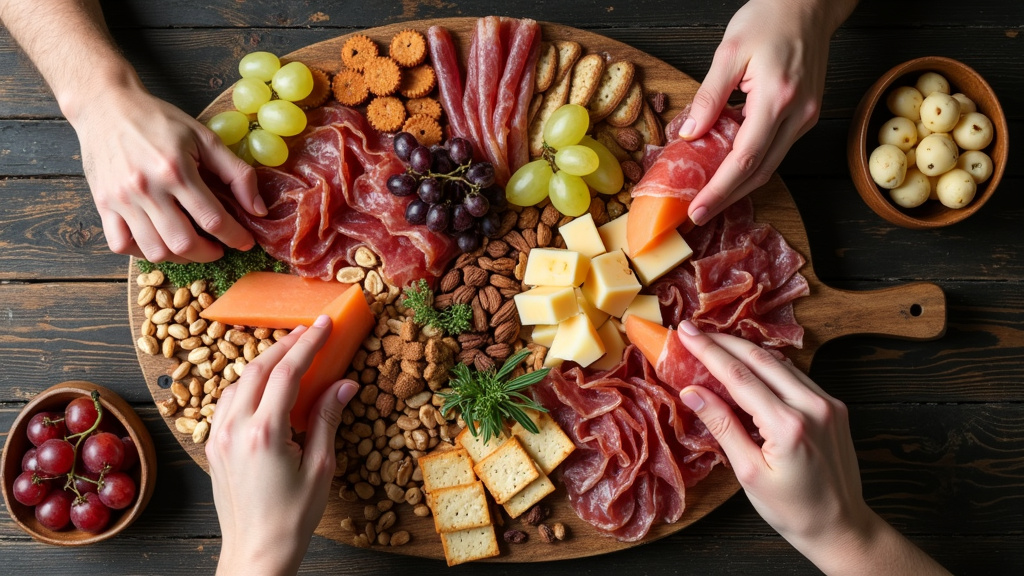
The food philosophy is simple: one hand free. Anything that requires a plate, a fork, and a lap is a conversation stopper. You want fuel that facilitates mingling.
Prioritize a mix of savory, salty, and one sweet option. The salt makes people thirsty, the sugar gives a late-night energy boost. Prepare everything that can be prepared ahead of time. Your oven should not be on during the party.
Here’s the menu that has never failed:
* A massive cheese and charcuterie board. It’s visual, communal, and requires zero cooking. Include two cheeses, two meats, crackers, and some fruit or nuts.
* Protein-heavy skewers. Chicken satay or grilled shrimp skewers. They’re neat, portable, and satisfying.
* A sturdy dip with a vehicle. A spinach-artichoke dip in a slow cooker with pita chips or a thick, scoopable black bean dip with tortilla chips.
* One “wow” sweet bite. Brownie bites, mini cupcakes, or chocolate-dipped strawberries. People remember the dessert.
The goal is abundance. Empty platters create anxiety. Keep backups in the fridge and refill before the board looks ransacked.
Why Your Playlist is More Important Than Your Decor
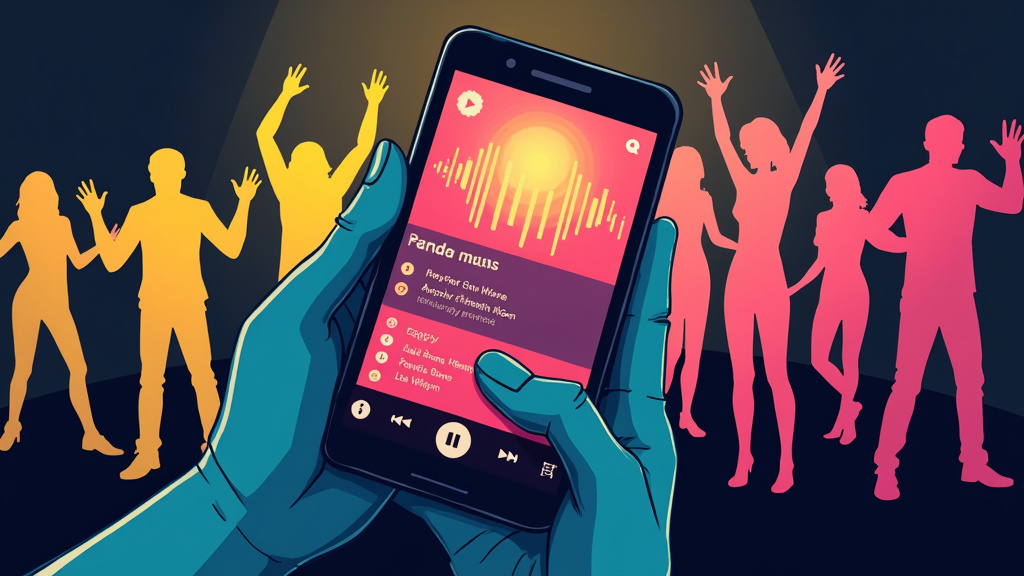
You can have fairy lights and a fog machine, but if the music is wrong, the party is dead. DJ and producer Jayda G emphasizes choosing “sing-along, vibey tunes” that bring people together. This is a science.
Start with the universal hits. The first hour is not for your personal niche taste. It’s for the songs that 90% of the room knows and loves. This builds collective energy and breaks the ice.
Build in waves. After the warm-up, you can take more risks, moving into deeper cuts or genre-specific sections. But always return to a recognizable chorus or beat every few songs to re-engage the crowd.
Have a wind-down plan. The last hour should slowly descend in BPM and intensity. This is the auditory cue that the night is winding down, making the final “goodbyes” feel natural, not abrupt.
I learned this the hard way at a birthday party a few years back. I spent hours on food and decor, then threw on a “Chill Vibes” streaming radio station. The music was a down-tempo, obscure electronic mix. Conversations were strained, people left early, and the energy never lifted. Now, I spend more time on the 4-hour playlist than on anything else. It’s the skeleton of the entire night.
Navigating the Legal and Social Minefields
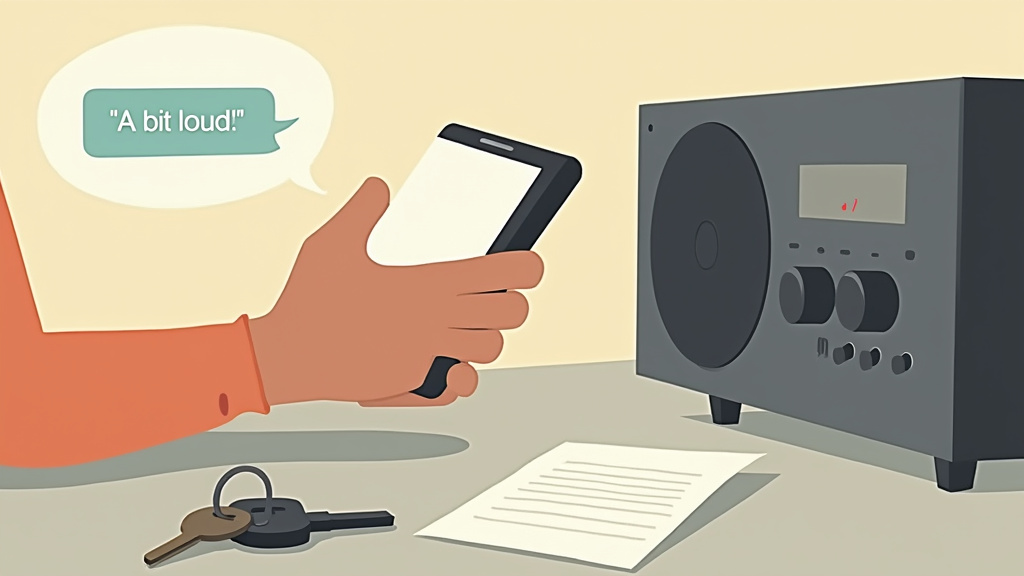
A great party has a plan for when things go sideways. This isn’t paranoia; it’s professionalism.
Neighbor Relations: Inform your immediate neighbors a few days in advance. Better yet, invite them. Give them your cell number and say, “Text me if it gets too loud, we’ll turn it down.” This single act of courtesy prevents 99% of noise complaints and police visits. It’s cheaper than a fine.
Liability and Safety: If you’re serving alcohol, understand your local “social host” laws. In many jurisdictions, you can be held liable if a guest drinks at your home, then drives and causes an accident. Encourage ride-shares, have a designated driver list, and don’t over-serve visibly intoxicated guests. Have a plan and a trusted friend to help handle anyone who has had too much.
Gatecrashers and “Weirdos”: As one blunt Vice guide advises, don’t hesitate to remove them. Your home is your space. Have your co-pilot quietly ask uninvited or disruptive guests to leave. Be firm, be polite, but be clear. Protecting the vibe for your invited guests is your primary duty.
Before you start: Serving alcohol to minors is a criminal offense with serious legal penalties. Verify ages if you have any doubt. Leaving spilled drinks or food on wooden floors overnight can cause permanent staining and water damage, do a quick wipe-down before bed.
Frequently Asked Questions
What’s the biggest budget killer for a house party?
Underestimating alcohol costs for an open bar. For a large party of 75+, an open bar can hit $1,000 for booze alone. The fix is to make it BYOB or offer a limited, batched cocktail alongside beer and wine. Always calculate your drink needs using the formula, then price it out before you commit to an open bar.
How do I get people to actually show up and not flake?
Personal, one-to-one invitations. A DM or text feels like a direct request. Mass invites feel like spam. Furthermore, collect a real RSVP, it creates a psychological commitment. Send a reminder text the morning of the party. This three-step system (personal invite, RSVP, reminder) dramatically increases show rates.
Is a theme necessary or cheesy?
It’s a tool, not a requirement. A good theme (Tropical, 80s, Cocktail Attire) gives people direction for what to wear, adds a visual cohesion to decor, and serves as a built-in conversation starter. A bad theme is overly complicated or expensive to participate in. Keep it simple and optional.
What’s the single best thing I can do as a host?
Be present. Circulate. Make introductions. Your energy is the party’s thermostat. If you’re locked in a corner conversation or hidden in the kitchen all night, the party’s energy will fragment. Your visible enjoyment gives everyone else permission to enjoy themselves.
How do I clean up efficiently the next day?
Start before you sleep. Do a 10-minute “blitz”: collect all glasses and bottles into dish tubs, take out overflowing trash bags, and wipe down sticky surfaces. The next morning, enlist a couple of loyal friends who stayed late, order pizza, and tackle the rest as a team. Trying to do it all alone while hungover is a special kind of misery.
The Bottom Line
Throwing the best house party isn’t about unlimited funds or a perfect apartment. It’s about intention. It’s curating a guest list of people who spark joy, not just filling seats. It’s calculating your supplies so no one ever wonders where the next drink is coming from. It’s crafting a musical journey that carries the night on its shoulders.
Your role is the catalyst. You set the initial conditions, the vibe, the rules, the energy, and then you step back to let the chemistry between your guests take over. Do the prep work, execute the host rituals, and manage the edges. The magic in the middle will happen on its own. Now go send those texts.