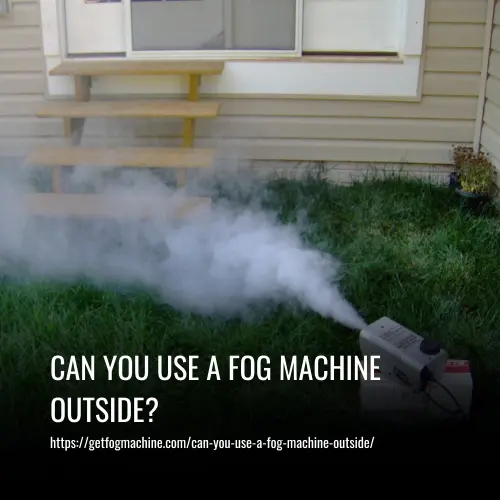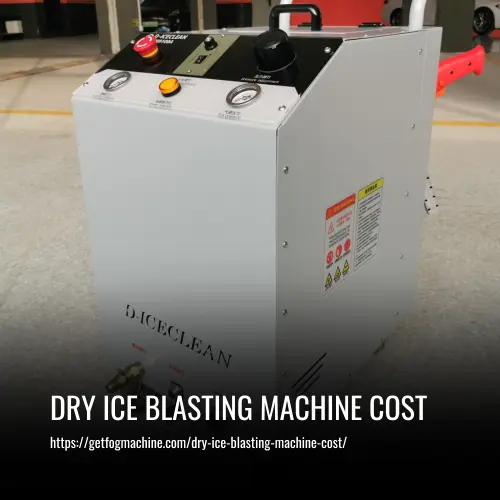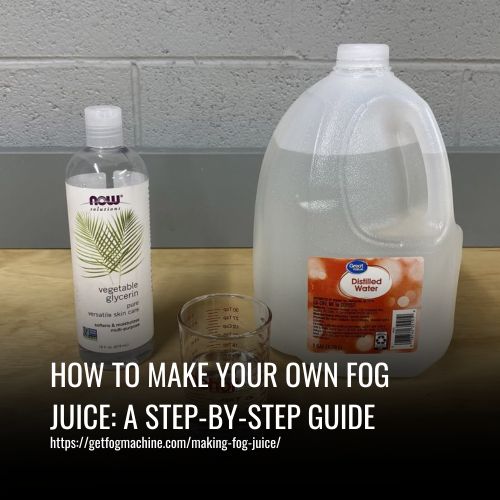
Dry ice machines and fog machines both produce fog, but they work differently. Dry ice machines use a heating element to warm up water, then insert dry ice into the holding area. The dry ice and water create fog when they meet. Fog machines use a heating element to vaporize a special fluid, which creates fog when it’s released into the air.
Dry ice and fog machines are both popular choices for special effects in theatrical productions, concerts, and other events. While both can achieve atmospheric effects like fog and haze, they work in different ways and have distinct advantages and disadvantages.
In this article, we’ll compare dry ice vs. fog machines, looking at factors like safety, ease of use, effectiveness, and cost. Whether you’re a filmmaker looking to create a cinematic fog effect or a DJ who wants to add a misty atmosphere to your performance, understanding the differences between these two options is crucial. So, read on to learn all about dry ice and fog machines and which one is the right choice for your needs.
Dry Ice Machines
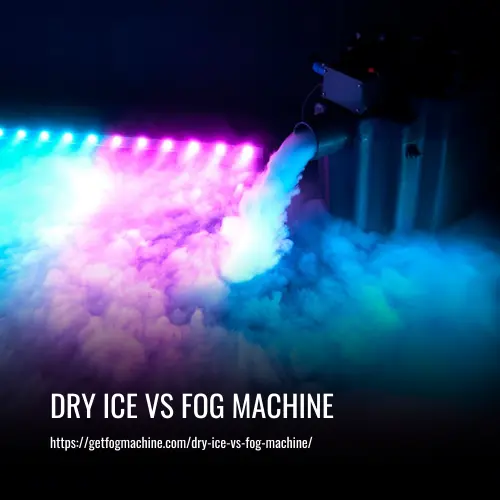
Dry ice machines are a simple yet effective alternative to traditional fog and haze machines. These machines use a heating element to warm the water, which is then mixed with dry ice. The dry ice and water meeting creates an extreme temperature difference, resulting in a cool fog that stays low to the ground.
Unlike compressor-style low-line fog machines, dry ice machines do not require heavy compressors, making them a more straightforward option. However, they have a shorter run time compared to more advanced models. Dry ice machines are ideal for creating atmospheric effects in theatrical productions, film sets, and dance clubs.
Special Effects with Dry Ice
When it comes to producing special effects, Dry Ice is a popular choice. When combined with hot water, it creates vigorous bubbling water and voluminous flowing fog. The process involves placing Dry Ice in a bucket with holes to allow hot water to enter, then lowering the bucket into the hot water to instantly produce fog.
The resulting water vapour fog is gently blown by a fan and directed to the desired area by an air duct tube. Unlike traditional theatre fog machines that require a 30 to 55-gallon water barrel with a hot water heater, more modern machines pump heated water over a tray holding the Dry Ice.
The effects created by Dry Ice are dramatic and can add a touch of magic to film productions, theatre, dance clubs, and other events. The best part is that fog stops whenever the bucket of Dry Ice is pulled out of the water, making it a versatile and highly controllable special effects option.
Fog Machine
Fog machines, also known as smoke machines, create a stunning visual effect by using a special fluid to produce thick white smoke. With a remote control, you can easily adjust the volume and duration of the smoke produced. Unlike low fog machines, fog machines produce heated smoke that rises and disperses throughout the area.
They’re perfect for shows, concerts, parties, and for creating spooky effects. Use fog machines when you want the entire room filled with smoke, not just the ground. The particles produced by fog machines are considered safe and easy to use.
Difference Between Dry Ice And Fog Machine
When you want to add dramatic effects to your next event or film production, you might be considering using either dry ice or a fog machine. These two options both produce a type of fog, but they differ in the way it is created and the effects they produce. Let’s explore the differences to help you decide which one is best for your needs.
1. The Fog and Ingredients
A fog machine produces a thick, white, opaque cloud using glycol or oil-based fluid that is heated to create particles of smoke. The fog will float high up in the air and then disperse relatively quickly. In contrast, a dry ice machine creates a low-lying fog that sticks to the ground and produces a unique swirling effect.
This machine uses dry ice that is dropped into warm or hot water at a rate the machine determines. As the ice sublimates, it creates a chill and produces a unique fog effect.
2. Ease of Use
A fog machine is relatively easy to use and usually includes a remote control for easy operation. There are many models available, but lower-quality machines may have failed heaters and require longer rest times between producing fog.
A haze machine is a popular alternative to fog machines because the fog works well with lighting and laser beams. In contrast, using a dry ice machine is not as easy or convenient. It requires the use of dry ice, which is challenging to maintain and has a short half-life.
3. Best Option
The best option for you depends on your specific needs. For smaller events or productions, a fog machine may be suitable, and you can even create a chiller to produce low-lying fog. A chiller is a box that surrounds the nozzle of a fog machine and is filled with ice. In contrast, a dry ice machine produces the best low-lying fog but is more difficult to operate and maintain.
Pros and Cons of Using a Fog Machine
Fog machine has a long run time and comes in various sizes, which are perfect for shows, parties, concerts, and film/theatrical productions. The fog produced is relatively quiet and fills the room nicely.
However, the smoke disperses quickly, and since the oil-based fluid is used, it can leave residue on furniture. It can also trigger smoke alarms and cause allergic reactions, so it’s important to use it in moderation.
Pros and Cons of Using a Dry Ice Machine
The major advantage of using a dry ice machine is the fantastic effect it produces; the low-lying fog creates a unique swirling effect that sticks to the floor. This makes it perfect for spooky effects in Halloween parties or film productions.
However, it’s challenging to operate and maintain and may cause asphyxiation hazards if used for an extended period. Additionally, contact with the skin can cause burns, and it may be classified as dangerous by some venues.
Fog Effects for Big Events
Fog effects are a popular addition to big events such as parties, dance clubs, Halloween haunted buildings, performances, and dance productions like Nutcracker. Available in thin fogs, opaque clouds, and dark shadows, these effects are created through two primary technologies: dry ice machines and smoke machines with chillers.
While creating your own chiller for a smoke machine can save money, it won’t produce the same special effects as a professional dry ice machine. Regardless of the method, dense low fog clouds are sure to deliver an amazing atmospheric effect to your event’s stage.
FAQs
Dry ice and fog machines are not the same, although they both produce atmospheric effects commonly used in film productions, dance clubs, and outdoor events. A dry ice machine uses solid carbon dioxide and water to create low-lying fog, whereas a fog machine produces fog by heating a mixture of water and fog fluid. The main difference between the two is the runtime, with the cryogenic machine providing a longer-lasting effect due to the use of liquid CO2 gas. However, it’s worth noting that dry ice fog machines can produce a more intense burst of low-lying fog and are often more affordable than their cryogenic counterparts.
To create a fog effect using dry ice, it is important to know the correct amount of dry ice needed. For every 15-minute period, put 2.3 to 4.5 kgs of dry ice into 15 to 30 litres of hot water. A hotter water temperature makes more fog, but be mindful that very hot water will add its own steam to the cloud. For better control of the fog direction, use a small fan. Smaller dry ice pieces with larger surface area produce more fog but for a shorter amount of time, therefore it is recommended to keep the water hot with a heat source such as a hot plate. Be cautious not to overfill the container as the bubbling water might spill over. Additionally, the water vapor fog will dampen the surrounding area.
Dry ice fog can be created by adding dry ice to hot water. This will result in bubbling water and flowing fog. The ideal amount of dry ice to use is 2.3 kg for 15 to 19 liters of hot water, which will produce the most fog in the first 5 to 10 minutes. As the water temperature cools, the amount of fog will decrease. The cold temperature of dry ice, -78.5°C, when immersed in hot water, creates true water vapor fog. However, once the water temperature drops below 10°C, dry ice will stop producing fog but will continue to sublimate and bubble. The duration of the fog will be longer on a damp day compared to a dry one.
Looking for the best low-lying fog machine can be daunting, but worry no more. We have prepared a guide to help you choose the right one for your needs. This guide includes a review of the top machines and a comparison of their features. With our help, you’ll be able to find a machine that can create the perfect atmospheric effects for your event or production.
Using dry ice in a fog machine is possible, but it depends on the type of machine you have. Some fog machines are designed to use fluid while others are made to use dry ice. These machines will be labeled as dry ice machines. The dry ice is placed in a designated area with warm water, skipping the liquid phase and being turned into a gas, resulting in an intense burst of low lying fog.
Dry ice fog is a popular special effect used to create atmospheric effects in various settings. The duration of the dry ice fog in a fog machine depends on several factors such as the thickness and volume of the fog. Typically, the dry ice fog lasts for 10-15 minutes in the air. The duration of the fog machine’s dry ice supply depends on the size of the machine. However, it’s difficult to determine precisely how long the dry ice will last in your fog machine. It is important to consult the owner’s manual or website for information on how long the fog machine’s dry ice supply will last.
Using a fog machine for snow effects is not recommended, as the process and fluid used to create snow are completely different from those used in fog machines. Snow machines use room temperature fluid and inject air to create foamy particles that resemble snow, whereas fog machines heat up a fluid until it vaporizes to create fog or haze effects. Attempting to use a fog machine for snow could result in damage to the machine or unsatisfactory results.
When it comes to creating fog with a machine, dry ice, and regular ice are two options. However, dry ice is often preferred because it does not rise like regular ice. Instead, it stays low to the ground, creating a mesmerizing atmosphere for events and productions. Regular ice, on the other hand, can create a mist in the air and does not have the same theatrical effect as dry ice. Therefore, dry ice is the better option for those looking to create a unique and stunning fog effect with a machine.
Dry ice is an excellent tool to create outdoor smoke effects. By simply dropping 50 pounds of it into the water of a heated pool or jacuzzi, it produces smoke for 1-2 hours depending on the temperature and size of the chunks, which is ideal for events and parties. This method is not only affordable but also versatile and safe, making it an excellent option for creating theatrical or atmospheric effects without risking exposure to harmful chemicals or damaging equipment as well.
There are ways to create fog without using dry ice or a fog machine. Small amounts of fog can be generated using ice from a home freezer. However, for a more substantial and prolonged effect, using dry ice or a specialized fog machine would be recommended.
Dry Ice Fog Machines produce fog by heating solid carbon dioxide, which sublimates and evaporates into a visible mist. The length of time that the fog lasts depends on factors such as the amount of Dry Ice used, the size of the fog machine, and air movement. Typically, a Dry Ice Fog Machine can produce fog for several minutes to a few hours. The fog can last longer if the machine has a larger capacity or if the output is adjusted to a lower level. It is important to follow all safety precautions and avoid contact with the skin, as Dry Ice can cause burns.
Dry ice fog is not flammable as dry ice is non-flammable. Dry ice does not ignite and does not produce a flame. However, it is important to handle dry ice with care as it can cause skin damage and is also extremely cold, which can cause frostbite. Proper safety measures should be followed when handling dry ice, including wearing gloves and protective clothing, and storing it in a well-ventilated area.
Conclusion
Understanding the differences between dry ice Vs fog machine is crucial when deciding which option to use for your event or production. Dry ice fog machines are ideal for creating low-lying fog effects that persist for an extended period. They can be a safer option than traditional fog machines because they do not produce harmful chemicals or smoke alarms. It is important to handle dry ice with care and use appropriate safety measures.
On the other hand, fog machines are a versatile option for creating a wide range of atmospheric effects, including theatrical fog effects and opaque clouds. They can be more affordable and easier to operate than dry ice machines, making them a popular choice for film productions, dance clubs, and outdoor events. The choice between dry ice vs fog machine will depend on your specific needs and the effect you are trying to achieve.