What is Cold Fogging? No-Heat Disinfection & Pest Control Explained
This post contains affiliate links. As an Amazon Associate, we earn from qualifying purchases.
Cold fogging is a disinfection and pest control method that uses a specialized machine to atomize a liquid solution into a microscopic mist without using heat. The machine, called a cold fogger or ULV (Ultra-Low Volume) fogger, uses high pressure or a fast-spinning turbine to shear the liquid into droplets typically between 1 and 30 microns in size. This fine aerosol drifts and settles onto all surfaces, including cracks and hard-to-reach areas, making it effective for killing germs, insects, and mold spores.
Most people think fogging means thick, smoky plumes and a strong chemical smell that lingers for days. They picture the diesel-fueled thermal foggers used for outdoor mosquito control. That assumption leads them to dismiss fogging for indoor spaces like offices, schools, or restaurants. They miss that cold fogging produces an almost invisible mist, uses no combustible fuel, and leaves surfaces dry and residue-free within an hour.
This guide breaks down exactly how cold fogging works, where it outperforms every other method, and the critical steps to doing it safely and effectively. You’ll learn what solutions to use, how to set up the machine, and the one mistake that ruins the entire process.
Key Takeaways
- Cold foggers create droplets between 5–15 microns using pressure or a turbine, not heat. This fine mist stays airborne for hours, penetrating areas wiping and spraying can’t reach.
- The World Health Organization specifies droplet sizes under 20 microns for mosquito control. For indoor disinfection, a 5–15 micron range is the sweet spot for coverage and surface contact.
- Always use solutions specifically labeled for ULV/cold fogging. Standard sprays and concentrates can clog nozzles, damage the pump, or create an ineffective droplet size.
- Post-fogging ventilation is non-negotiable. You must allow a 60–90 minute dwell time for the disinfectant to work, followed by 30 minutes of active airflow before re-entry.
- For large-scale pest control, a backpack-mounted fogger offers mobility, while for targeted indoor disinfection, a smaller commercial fogger on a cart is more precise.
How Does a Cold Fogger Actually Work?
A cold fogger is a simple machine engineered for one job: turning liquid into a cloud of tiny particles. It does this through mechanical atomization, not thermal energy. Inside the unit, an electric motor powers either a high-pressure pump or a high-speed axial fan.
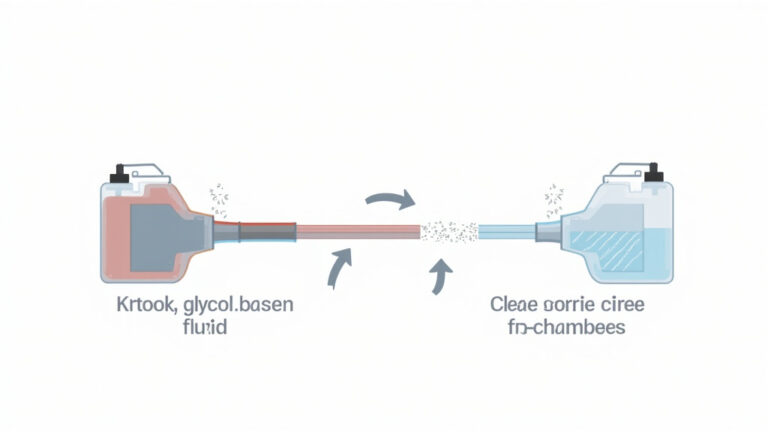
The pump version forces the liquid solution through an extremely small orifice in the nozzle. The sudden pressure change at the exit point literally blows the liquid apart into a fine spray. The turbine version uses a different approach. The fan creates a powerful vortex of air that passes over a siphon tube drawing liquid from the tank. The shear force of the fast-moving air shreds the liquid stream into mist as it exits the nozzle.
Cold fogging machines, or ULV foggers, operate by using an electric motor to generate either high fluid pressure or high-velocity air. This energy mechanically atomizes a liquid disinfectant or insecticide into droplets with a mass median diameter (MMD) typically between 1 and 30 micrometers. The optimal range for airborne disinfection is 5 to 15 micrometers, which allows the aerosol to remain suspended for extended periods, maximizing contact with airborne pathogens and surface contaminants.
The magic is in the droplet size. You can often adjust this by swapping nozzles or changing the pump’s output pressure. Larger droplets around 20-30 microns fall faster, which is better for treating vegetation in outdoor pest control. Smaller droplets, between 5-15 microns, hang in the air like dust. They drift into every corner, under tables, and behind equipment. This is why it’s so effective for disinfection; the mist contacts 100% of exposed surfaces.
TL;DR: A motor drives a pump or turbine that mechanically shreds liquid into a mist of 5–30 micron droplets. No heat, no combustion, just physics.
The 4 Core Applications Where Cold Fogging Wins
This isn’t a one-trick tool. The ability to deliver a uniform, fine mist makes cold fogging the first-choice method for four specific challenges where traditional cleaning fails.
1. Pathogen Disinfection in Large Spaces. Mopping and spraying a 10,000-square-foot warehouse or a school gymnasium is a multi-person, multi-hour task. A cold fogger can cover the same area in under 30 minutes with a more consistent application. The mist envelops high-touch surfaces like door handles, light switches, and chair backs that are easily missed by a rag. For businesses, this means drastically reduced labor hours and more reliable results.
2. Flying Insect Abatement. Mosquitoes, flies, and midges are killed on contact by the insecticide mist. Because the droplets are so small and linger, the chance of a flying insect contacting a lethal dose skyrockets compared to a coarse spray that falls to the ground quickly. This makes it ideal for pre-event treatment of outdoor patio fogging machines or for addressing a sudden fly infestation in a restaurant kitchen with an indoor insect fogger.
3. Mold and Mildew Remediation. You can’t scrub mold spores out of the air. After removing contaminated materials, a cold fogger can disperse a fungistatic solution throughout the affected space. The mist settles on beams, inside wall cavities, and on HVAC components, killing residual spores and preventing regrowth. It’s a critical final step that brushing and spraying can’t replicate.
4. Odor Neutralization. For persistent smells from smoke, fire, or biological decay, simple masking with air fresheners doesn’t work. Cold fogging allows you to atomize specialized odor-neutralizing enzymes or oxidizers. These microscopic droplets reach the source of the odor—deep into upholstery fibers, carpet pads, and porous surfaces—and chemically break down the odor molecules.
| Application | Best Fogger Type | Key Solution Consideration |
|---|---|---|
| Whole-Building Disinfection | High-output ULV Fogger | Hospital-grade disinfectant (e.g., hypochlorous acid, hydrogen peroxide) |
| Mosquito Yard Control | Thermal mosquito foggers or high-pressure cold fogger | Residual insecticide (e.g., permethrin) for vegetation |
| Indoor Fly Outbreak | Portable electric cold fogger | Fast-acting, non-residual flying insect aerosol |
| Mold Remediation | Dry fog compatible cold fogger | EPA-registered fungicide with mold-stat properties |
Cold Fogging vs. Thermal Fogging: The Real Differences
Choosing the wrong method wastes time and money. The core difference isn’t just “hot vs. cold”; it’s about the physical properties of the output and the resulting limitations.
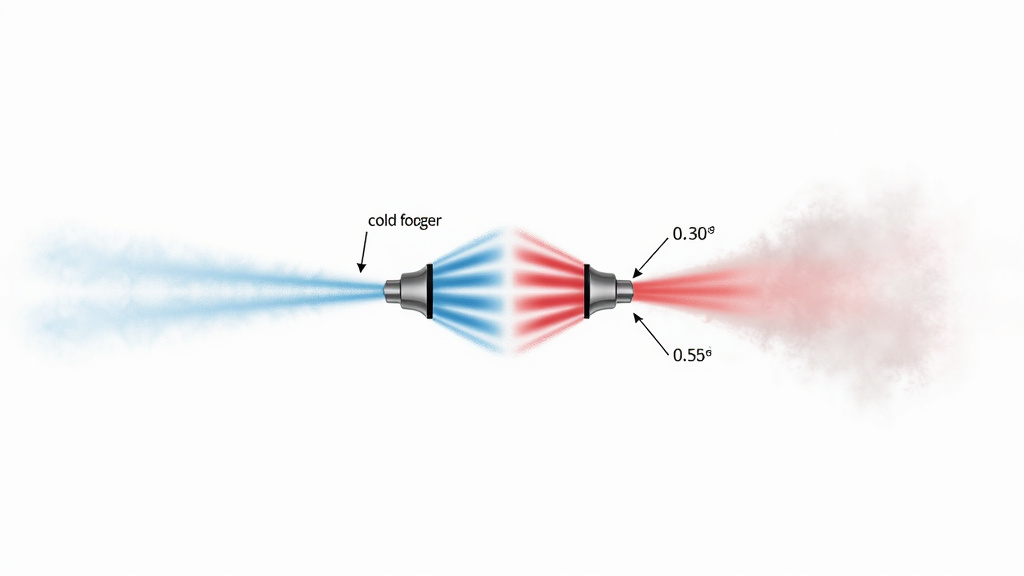
Thermal foggers use a heat source, usually a combustion engine burning diesel or propane, to vaporize a oil-based solution. The vapor condenses upon contact with cooler outdoor air, creating a very dense, visible smoke. The droplets are ultra-fine, often below 5 microns.
| Factor | Cold Fogging | Thermal Fogging |
|---|---|---|
| Mechanism | Mechanical atomization (pressure/turbine) | Heat vaporization (combustion) |
| Droplet Size | Adjustable, typically 5–30 microns | Very fine, often 0.5–5 microns |
| Visibility | Light, almost invisible mist | Dense, opaque white smoke |
| Primary Fuel | Electricity (battery or cord) | Diesel, propane, or gasoline |
| Indoor Use | Yes – No combustion fumes, low fire risk | No – Produces carbon monoxide, high fire hazard |
| Residue | Minimal to none; water-based solutions dry quickly | Oily residue from carrier fluids; can stain surfaces |
| Cost per Operation | Lower (electricity cost) | Higher (fuel + chemical cost) |
Thermal fogging’s smoke is iconic, but that’s its biggest drawback indoors. The combustion exhaust is toxic, and the oily residue leaves a film on every surface. It’s strictly an outdoor tool for large-scale pest control, like treating a marsh for mosquitoes. Cold fogging’s clear mist and lack of fumes make it the only safe choice for interior spaces. The droplet size is more versatile, too. You can set it for a slightly larger particle that will still drift but settle more predictably on surfaces for disinfection.
Common mistake: Using a thermal fogger indoors because “the smoke looks more effective.” – The carbon monoxide buildup can reach dangerous levels within minutes, and the oily residue on electronics and furniture is nearly impossible to clean.
What Solutions Can You Actually Use in a Cold Fogger?
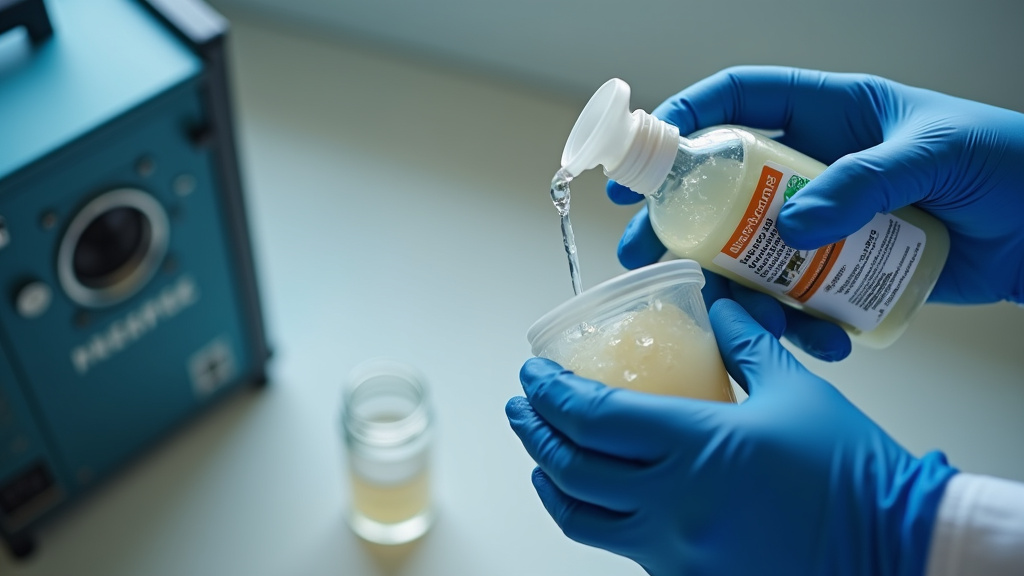
This is where people destroy their equipment. You cannot pour just any liquid into the tank.
The machine is designed for solutions with very low viscosity—think the consistency of water or slightly thicker. Thick oils, creamy concentrates, or anything with particulates will clog the nozzle instantly. The pump or turbine can also be damaged by corrosive chemicals not intended for the machine’s internal materials (often certain plastics and stainless steels).
EPA-Registered Disinfectants: This is the gold standard for disinfection. The product label must include directions for “fogging” or “ULV application.” Common examples are ready-to-use hydrogen peroxide solutions or diluted hypochlorous acid. Using a disinfectant without these directions is a violation of federal law and likely ineffective.
Insecticides: Similarly, the insecticide must be labeled for ULV fogging. Pyrethroids like permethrin are common for mosquitoes. For a more ecological approach, BTI (Bacillus thuringiensis israelensis) is a bacterial larvicide that is highly effective and non-toxic to humans and pets. It’s a prime choice for yard bug foggers in areas with children or wildlife.
Specialty Solutions: This includes odor neutralizers, mold inhibitors, and even sanitizing mists for food production areas. Always verify compatibility with the fogger manufacturer first. When in doubt, a water test is smart. Fog pure water to check the pattern and droplet size before committing an expensive chemical solution.
The Step-by-Step Protocol for Effective Cold Fogging
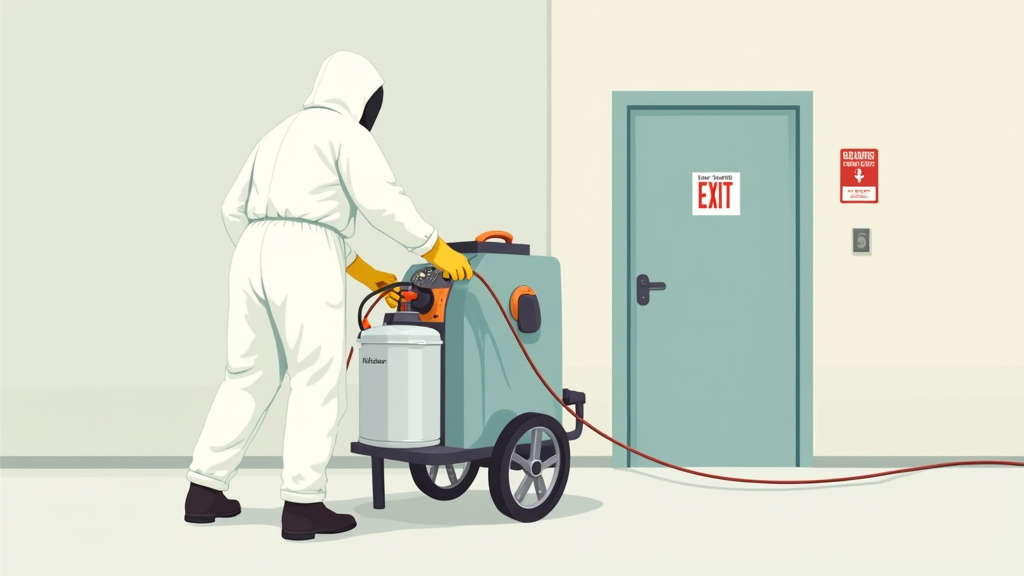
Following a sequence matters. Skipping steps leads to uneven coverage, wasted chemical, or safety hazards.
Step 1: Area Preparation. Remove or tightly cover items that shouldn’t get wet, like paper documents, open food, and sensitive electronics. Close all windows, doors, and HVAC vents. Turn off any open-flame appliances. This containment keeps the mist where you need it.
Step 2: Personal Protective Equipment (PPE). You are atomizing chemicals. Wear gloves, safety goggles, and an N95 respirator or better. Long sleeves and pants are mandatory. If you’re fogging a large area, a disposable coverall is a good idea.
Before you start: The aerosolized chemical is an inhalation and eye irritant. Without a respirator, you risk coughing, dizziness, and respiratory distress. Without goggles, direct exposure can cause severe irritation or damage.
Step 3: Machine and Solution Setup. Fill the tank with your pre-mixed solution. Do not overfill. Set the flow rate and attach the nozzle that delivers your target droplet size (e.g., a 10-micron nozzle for disinfection). Place the machine on a stable cart if it’s not a backpack-mounted fogger.
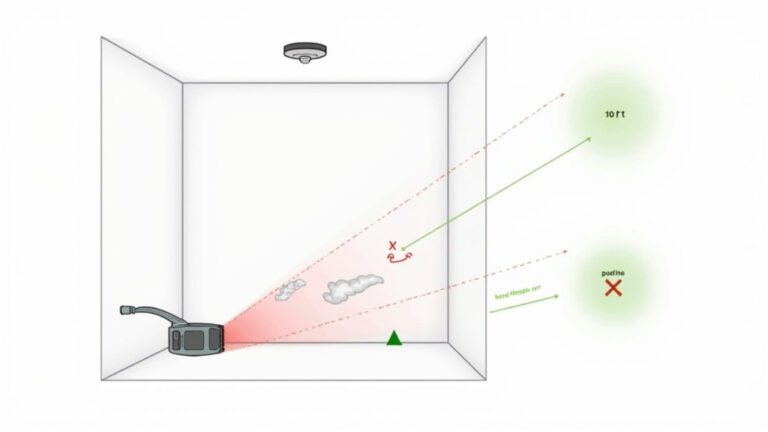
Step 4: The Fogging Operation. Start at the point farthest from your exit door. Activate the fogger and use a slow, sweeping side-to-side motion as you walk backwards toward the exit. This ensures you don’t walk through the freshly deposited mist. Pay extra attention to corners and areas behind furniture by angling the output.
Step 5: Dwell Time and Ventilation. Once finished, leave the room immediately and seal the door. Let the mist settle and work for the time specified on the product label—usually 60 to 90 minutes. Then, re-enter with your PPE, open all windows, and turn on fans to exhaust any lingering aerosol for at least 30 minutes before the space is habitable.
TL;DR: Seal the room, suit up, fog from the back to the door, leave it sealed for an hour, then ventilate aggressively before anyone returns.
Maintaining Your Cold Fogging Machine
A neglected fogger will fail when you need it most. The maintenance is simple but non-negotiable.
After every use, you must run a clean water rinse through the system. Fill the tank with distilled or purified water and fog it until the tank is empty. This flushes out any residual chemical that could crystallize and clog the internal passages. Then, disconnect the nozzle and soak it in warm water to clear the tiny orifice.
Every 10–15 uses, perform a deeper clean. Check the manufacturer’s guide for how to access and clean the pump filter or the turbine housing. For battery-powered mobile fogging machines, battery care is key. Never store the machine with a fully depleted battery; keep it at around a 50% charge for longevity.
Store the unit in a clean, dry place. Never leave solution in the tank, even overnight. It will separate, settle, and almost certainly clog the system by morning.
Frequently Asked Questions
Is cold fogging safe for people and pets?
The process itself is safe for the structure and leaves no harmful residue when done correctly. However, during the fogging operation and the dwell time, the space is unsafe for occupation. People, pets, birds, and fish must be evacuated. Re-entry is only safe after the full ventilation cycle is complete, as the airborne droplets can be inhaled.
How long does the disinfecting effect last after fogging?
The immediate disinfecting effect on surfaces is achieved within the dwell time. However, fogging does not provide a lasting residual protective film like some surface coatings. High-touch surfaces will become re-contaminated the next time someone touches them. Fogging is a periodic reset, not a permanent shield.
Can I cold fog my own home, or do I need a professional?
You can perform cold fogging yourself if you purchase or rent an appropriate machine, use an EPA-registered solution correctly, and follow all safety protocols. For complex situations like whole-house mold remediation or if you’re unsure about chemical selection, hiring a licensed professional is strongly advised. They carry insurance and have access to more powerful commercial mosquito foggers and industrial-grade chemicals.
What’s the cost difference between cold and thermal fogging?
The upfront cost for a professional-grade cold fogger for mosquitoes is comparable to a thermal unit. The operational cost is where cold fogging wins. It runs on electricity, which is cheaper than diesel or propane. More importantly, water-based solutions for cold fogging are generally less expensive than the specialized oil-based carriers required for thermal fogging. There’s also no costly residue cleanup.
Does cold fogging work for bed bugs or cockroaches?
No, not as a stand-alone treatment. Cold fogging is primarily for airborne particles and surface contact. Bed bugs and cockroaches hide in deep, protected harborages that the mist cannot penetrate. Fogging can flush some pests out, but it will not eliminate an infestation. For these pests, targeted sprays, dusts, and baits applied directly to harborage areas are necessary, sometimes in conjunction with a bug fogger for mosquitoes for area-wide flying insect control.
The Bottom Line
Cold fogging is a powerful, versatile tool that solves specific problems traditional cleaning can’t touch. Its value is in delivering a uniform, microscopic layer of active solution over every square inch of a space. Remember that the machine is only as good as the solution you put in it and the protocol you follow. Always use labeled chemicals, respect the required dwell and ventilation times, and maintain your equipment. Whether you’re a facility manager looking to disinfect a gym, a homeowner battling yard mosquitoes, or a restorer tackling a mold job, cold fogging offers a efficient, modern solution when applied with knowledge and care.