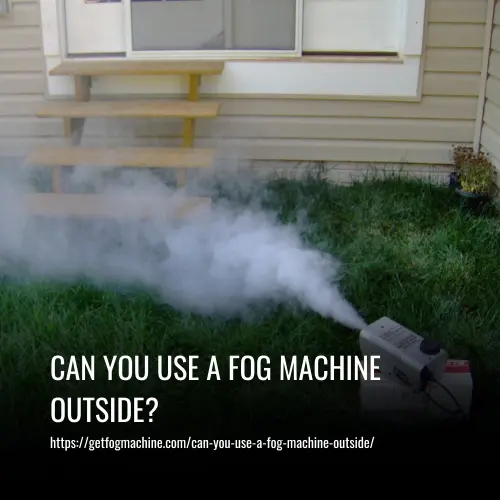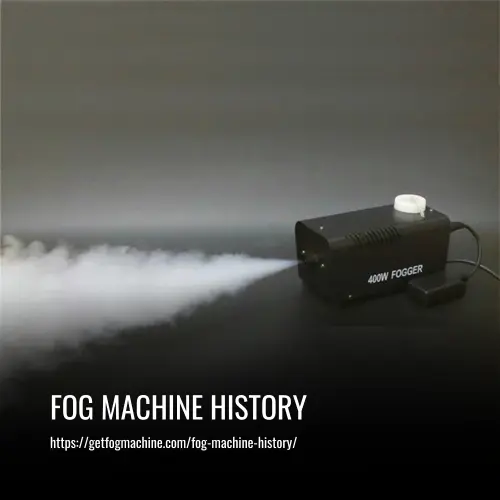
When determining the size of the fog machine you need, consider the size of the area you want to fill with fog. For small spaces like a small room or a small stage, a compact fog machine with a fog output of around 1,500 to 2,500 cubic feet per minute (CFM) should suffice. Medium-sized venues such as clubs or larger stages may require a fog machine with an output of 2,500 to 5,000 CFM.
For larger spaces like outdoor events or large theaters, a high-output fog machine with more than 5,000 CFM would be ideal. Additionally, take into account the desired density of the fog and the length of time you need the fog to last. Keep in mind that the size of the fluid tank and the heat-up time should also be considered based on your specific needs.
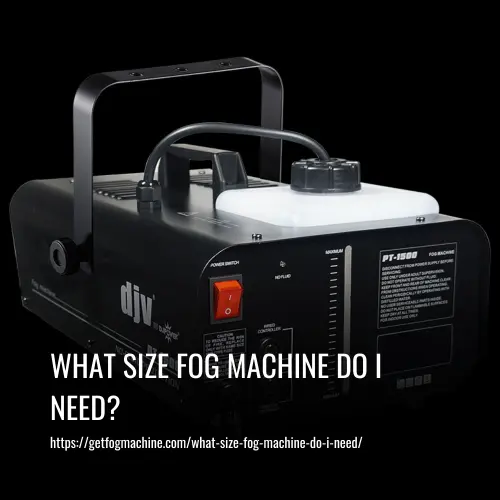
How to Choose the Right Size of Fog Machine
Choosing the right size fog machine for your event is crucial in creating the desired atmosphere and special effects. Here is a guide to help you make an informed decision:
1. Consider Your Space
The size of the area you need to fill with fog is an important factor. For small rooms or stages, a mini-fogger might be sufficient. However, for larger venues, you may need to opt for mid-sized or full-size machines to effectively cover the space.
2. Take Special Effects into Account
If your event involves special effects like strobe lights or requires more smoke than usual, you should factor this in when selecting the fog machine. Certain effects may require larger quantities of fog, so be sure to choose a machine that can accommodate your specific needs.
3. Choose the Right Fog Fluid
Different types of fluid produce different fog densities. Water-based fluids create thicker clouds, while oil-based options offer dense plumes that linger longer in the air. Consider the venue and the desired effect when selecting the fog fluid for your machine.
4. Budget Considerations
Fog machines come in a range of prices, offering varying features. Consider your budget constraints and weigh them against the features you require. For example, if remote control capabilities are essential, it may be worth investing in a higher-priced machine.
Factors You Should Consider When Shopping for a Fog Machine
When shopping for a fog machine, there are several factors to consider. By understanding these factors, you can ensure that you choose the right fog machine for your needs.
1. Size
Consider the size of the space you need to fill with fog. For small rooms or stages, a mini-fogger may be sufficient. However, larger venues or outdoor events may require mid-sized or full-size machines to effectively cover the area.
2. Special Effects
Take into account any special effects or lighting setups that may require more smoke or a specific type of fog. Certain effects may require larger quantities of fog, so be sure to choose a machine that can accommodate your specific needs.
3. Output Options
Consider how often you plan to use the fog machine and the desired output for your effects. Look for machines with adjustable settings, allowing you to create different effects, such as low-lying fog or thick clouds of smoke.
4. Control Options
Some fog machines come with wireless remotes, making it easier to control and set up effects quickly. This feature can save you time and effort compared to manually adjusting each setting.
5. Budget and Durability
Consider your budget and the machine’s overall durability and reliability. Price ranges vary, so determine how much you are willing to spend. Additionally, consider long-term maintenance and the need for regular care to keep the machine running smoothly and safely.
Benefits of Using Different Sized Fog Machines
When it comes to creating a dramatic atmosphere, fog machines are an essential tool. However, choosing the right size fog machine is crucial to achieving the desired effect in your venue. Here are the benefits of using different sized fog machines:
1. Small-Sized Fog Machines
These fog machines are perfect for smaller venues or when you prefer subtle effects in larger spaces. They are portable and require minimal power, making them easy to transport and set up. Additionally, small fog machines are often more affordable, making them ideal for those working with limited budgets.
2. Medium-Sized Fog Machines
These machines strike a balance between portability and output. They offer a more impressive fog per minute and can cover larger areas compared to smaller units. Medium-sized fog machines are versatile and suitable for various event types, such as parties, concerts, or theatrical performances.
3. Large-Sized Fog Machines
If you need thick clouds and heavy plumes, a larger fog machine is the way to go. These machines produce a significant amount of fog, making them suitable for creating dense effects like low-lying ground fog or wall-to-wall coverage in large rooms or outdoor areas.
Additionally, larger fog machines often come with additional features like better internal heaters, allowing them to warm up quickly and provide longer-lasting fog effects.
Is Bigger Always Better When It Comes to Choosing a Fog Machine?
When it comes to choosing a fog machine, the common belief is that bigger is better. However, this is not always the case. The size of the fog machine you need depends on various factors such as the intended use and available space.
For small venues or events that do not require a significant amount of smoke, smaller fog machines are the best choice. These machines are easier to transport, take up less room, and are typically more affordable. If you have a tight budget or limited space, a smaller fog machine will do the job just fine.
On the other hand, if you need extensive smoke coverage in large areas, bigger fog machines will give you that extra punch. These larger units often come with more features, such as adjustable output levels, making them ideal for professional use where precise control over smoke production is necessary. They are also designed to handle larger events and venues.
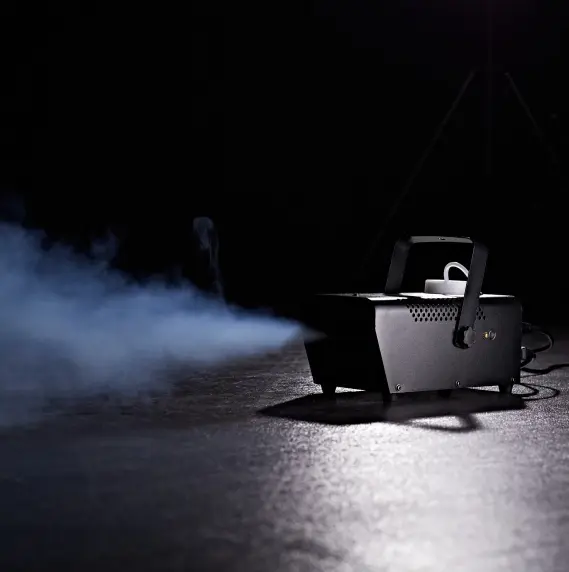
Tips on Selecting the Best Size Fog Machine for Your Needs
Determining the best size fog machine for your needs involves considering a few key factors. By keeping these factors in mind, you can ensure that you choose the right machine for your desired effect, venue, and frequency of use.
1. Effect and Setting
Consider the type of fog effect you want to achieve. Do you prefer a light mist or dense clouds? Additionally, determine whether the machine will be used indoors or outdoors, as this can impact the amount of fog needed and the machine’s size requirements.
2. Venue Size and Portability
Smaller fog machines are ideal for smaller venues or events that require portability. They are easier to transport and won’t take up excessive space. However, if you need to cover larger areas with plenty of smoke, bigger machines are the way to go.
3. Frequency of Use
If you plan to use the fog machine occasionally for one-time events, a standard size model should suffice. However, if fog effects are a regular part of your shows or productions, investing in a more powerful machine may be worth it for its increased durability and output capabilities.
4. Safety Considerations
When using large amounts of fog indoors, consider any safety requirements, such as ventilation, to ensure the well-being of performers and attendees. Regardless of size, ensure that the fog machine has built-in safety features that are properly tested before each use.
FAQs
The wattage of a fog machine doesn’t directly determine the amount of fog it will produce. However, higher wattage machines generally have more output capabilities. A 400-watt compact fog machine can burn one quart of fog juice for approximately six hours, while a 1,000-watt machine will burn the same amount for about two hours.
On average, one gallon of fog juice can last for around four evenings or up to 20 hours of use. It is advisable to stock up on fog machine fluid accordingly to ensure continuous fog effects throughout your event.
Yes, fog machines can be used indoors, including in small rooms or houses. However, it is essential to consider safety factors such as room ventilation and potential residue left behind by some fog fluids. Additionally, certain fog fluids may cause breathing issues for individuals with asthma or sensitivities.
Fog machines are available in various wattages, typically ranging from 400 to 1800 watts or more. While wattage does not directly indicate fog output, higher-wattage machines generally have the capacity to generate more fog.
Conclusion
When deciding on the size of a fog machine, it’s important to consider your specific needs and requirements. Factors such as the desired fog per minute output, the coverage area in terms of feet of fog required, and the types of special effects you want to achieve are essential considerations.
For smaller events or spaces, a portable fog machine with a lower output may be sufficient. These machines often come with convenient controls and wireless remote features, making them easy to operate and perfect for smaller venues.