Does Fog Juice Expire? Shelf Life, Signs & Storage Facts
This post contains affiliate links. As an Amazon Associate, we earn from qualifying purchases.
Yes, fog juice expires. An unopened, heat-sealed bottle typically lasts 12 months to 3 years, depending on the brand and formula. Once opened, its shelf life drops to about 6-12 months due to exposure to air and potential contaminants. Using expired fluid risks poor fog output, clogged machines, and internal damage.
Most people assume the bottle in their garage from last Halloween is still fine. They pour it in, hit the switch, and get a pathetic wisp of smoke instead of a rolling cloud. The problem isn’t the machine. It’s the chemistry inside the bottle that quietly went bad while it sat.
This guide covers exactly how to check your fog juice’s shelf life, the physical signs it’s gone off, and the right way to store it. We’ll also explain what happens inside the bottle when it degrades and how to safely get rid of the old stuff without harming your plumbing or the environment.
Key Takeaways
- Unopened, quality-brand fog juice like Froggy’s Fog or Swamp Juice has a printed shelf life of 1-3 years. Once opened, plan on using it within 6-12 months.
- The main killer is oxidation of propylene glycol. Exposure to air and heat accelerates this chemical breakdown, turning the fluid acidic and viscous.
- Never use fog juice that is cloudy, smells sour, or has floating particles. It will clog the machine’s pump and heating element, leading to costly repairs.
- Store fluid in a cool, dark place with the lid tightly sealed. A basement shelf beats a hot garage or a sunny windowsill every time.
- Dispose of expired juice by diluting it heavily with water before pouring it down a drain connected to a municipal sewer system. Never pour concentrated fluid into the ground or a septic system.
How Long Does Unopened Fog Juice Last?
Look for a stamped expiration date on the bottle or box. That’s your starting point. Reputable manufacturers test their formulas for stability and print a conservative date. Froggy’s Fog, for example, often guarantees its fluid for one year from purchase and states a total shelf life of two to three years when unopened and stored properly.
A sealed bottle of water-based fog juice retains its intended chemical composition and performance for 12 to 36 months. The primary factors limiting shelf life are the oxidation rate of the glycol carrier and the integrity of the container’s seal. Storage temperature is the most critical external variable; each 10°C (18°F) increase above 21°C (70°F) can double the rate of chemical degradation.
The countdown starts the day it’s bottled, not the day you buy it. If you find a dusty bottle on a clearance shelf with no date, you’re taking a risk. The fog machine fluid shelf life is a real timer, not a suggestion.
TL;DR: Trust the printed date. No date? Assume it’s already a year old and plan to use it quickly or skip it.
What Happens When Fog Juice Expires?
Fog juice doesn’t just “go bad” like milk. It undergoes a predictable chemical breakdown. Most fog fluids are water-based, using propylene glycol or glycerin as the carrier that vaporizes into fog. Glycols are alcohols, and they slowly oxidize when exposed to air.
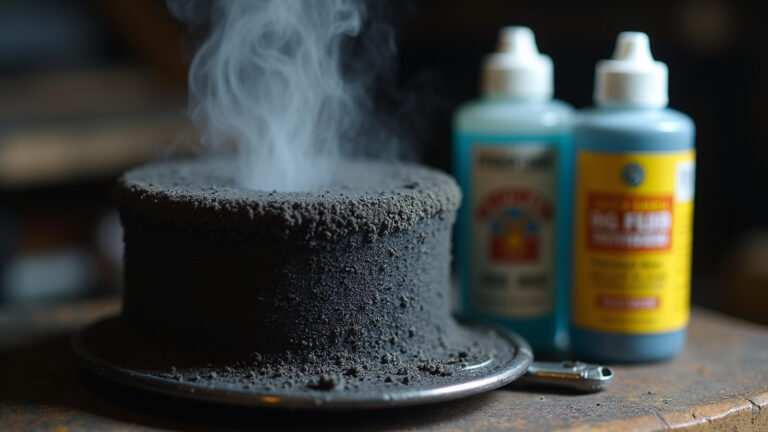
Oxidation makes the fluid more acidic. This acidity can corrode the internal components of your fog machine, especially the heating element and the small orifices in the pump. The fluid also thickens as polymers break down, becoming sludgy. That sludge won’t vaporize properly. Instead, it carbonizes on the heating element, creating a hard, insulating scale that reduces heat transfer and eventually causes the element to fail.
This is why using old fluid is a gamble. You might get weak fog. You might get no fog. Or you might get a repair bill. The signs of degraded fluid are the visible and olfactory results of this internal chemical change.
Signs Your Fog Juice Has Gone Bad

Your senses are the best diagnostic tools. If your fluid fails any of these checks, stop. Do not put it in your machine.
- Color Change: Fresh fluid is clear or has a slight, consistent tint. Expired juice turns cloudy, milky, or develops a yellow or brown hue. This is often the first sign.
- Unusual Odor: Give it a cautious sniff. It should have a faint, clean, almost sweet smell from the glycols. A sharp, sour, vinegary, or foul odor signals advanced chemical breakdown and bacterial growth.
- Visible Contaminants: Look for floating specks, a filmy layer on the surface, or any separation where parts of the fluid look oily or settled. This means the formula has destabilized.
- Changed Consistency: Swirl the bottle. It should flow like slightly thick water. If it feels slimy, sticky, or syrupy, the viscosity is off. It won’t pump correctly.
Common mistake: Using slightly cloudy fluid because “it still smells okay” — the suspended particles will carbonize on the heating element within a few uses, and you’ll smell burning plastic before the thermal cutoff switch trips.
A simple test is to pour a few ounces into a clear glass. Hold it up to the light. Any haze, chunks, or off-odor means it’s trash. This visual inspection is more reliable than guessing based on time alone.
Does Opened Fog Juice Last as Long?
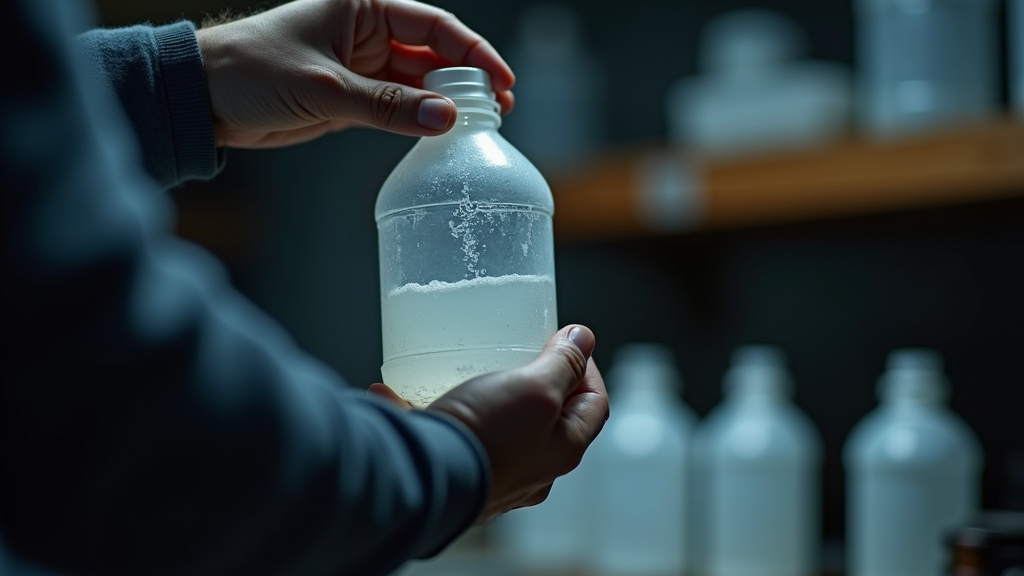
No. Opening the bottle is the single biggest factor that shortens shelf life. You’ve introduced air, moisture, and potential contaminants. The clock resets.
Once opened, plan on using the fluid within 6 to 12 months for optimal performance. Some technicians will tell you 3-6 months if the bottle is half-empty and frequently opened. The more air in the bottle, the faster oxidation occurs.
This is where storing fluid in the machine becomes a related topic. Leaving fluid in the machine’s tank for months between uses is even worse than in a sealed bottle. The tank isn’t airtight, and the fluid is in contact with the pump and heating element assembly, which can accelerate degradation. If you’re storing the machine for more than a few weeks, it’s better to drain the tank and run a cleaner through it.
| Storage Condition | Expected Shelf Life | Key Risk |
|---|---|---|
| Unopened, cool & dark | 1-3 years (per date) | Very low; seal failure |
| Opened, tightly sealed | 6-12 months | Oxidation & contamination |
| In machine tank | 1-3 months | Evaporation, sludge formation |
| Hot garage / sunlight | < 6 months (any condition) | Accelerated chemical decay |
The Right Way to Store Fog Juice
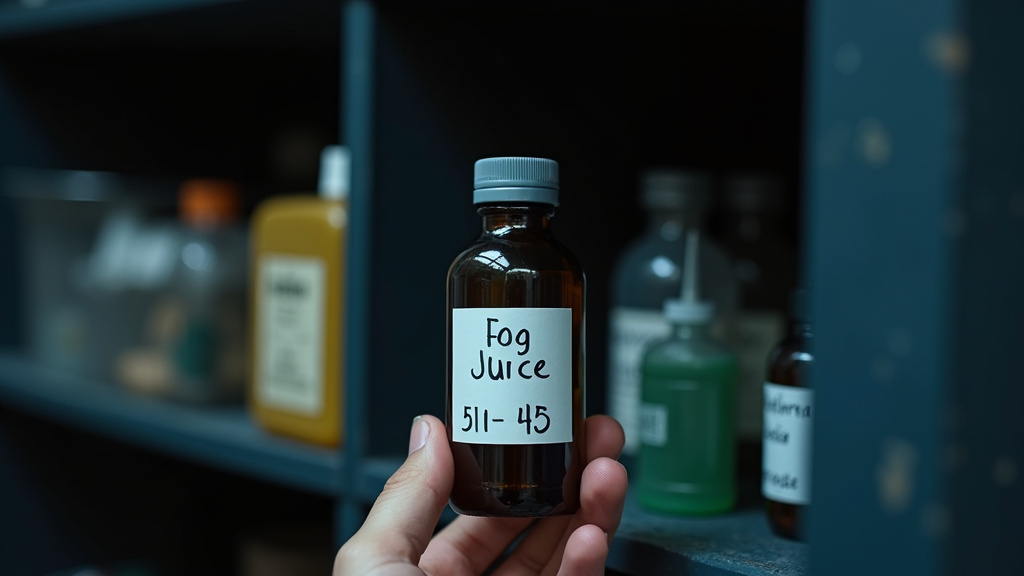
Proper storage is cheap insurance. Follow these rules to maximize the life of your top fog juice fluids.
- Keep it Cool: Store at room temperature, ideally between 50°F and 70°F (10°C-21°C). Avoid freezing, which can cause separation, and avoid heat above 90°F (32°C), which cooks the chemicals.
- Keep it Dark: Ultraviolet light from the sun catalyzes degradation. A cupboard, shelf in a basement, or inside a box is perfect.
- Keep it Sealed: Always screw the cap on tightly immediately after use. If the original cap is lost or damaged, transfer the fluid to a clean, sealable container like a glass mason jar.
- Keep it Stable: Don’t store it where it will be constantly jostled or near strong vibrations. This isn’t about the fluid, but about preventing cap loosening.
- Label It: Write the date you opened it on the bottle with a permanent marker. This removes the guesswork next season.
A closet shelf inside your house beats a garage or shed every single time. The stable, climate-controlled environment matters more than you think.
How to Dispose of Expired Fog Juice
You can’t just toss it in the trash or pour it on the ground. While modern water-based fluids are designed to be less toxic, concentrated glycols can harm aquatic life and shouldn’t go directly into the environment.
The standard and safest method for homeowners is dilution and drain disposal.
Before you start: Wear gloves and eye protection. Work in a well-ventilated area. Ensure you are pouring into a drain connected to a municipal sewer system, not a septic tank, dry well, or storm drain.
- Find a large bucket or container. You’ll need at least a 10:1 ratio of water to fog juice.
- Pour the expired fog juice into the bucket.
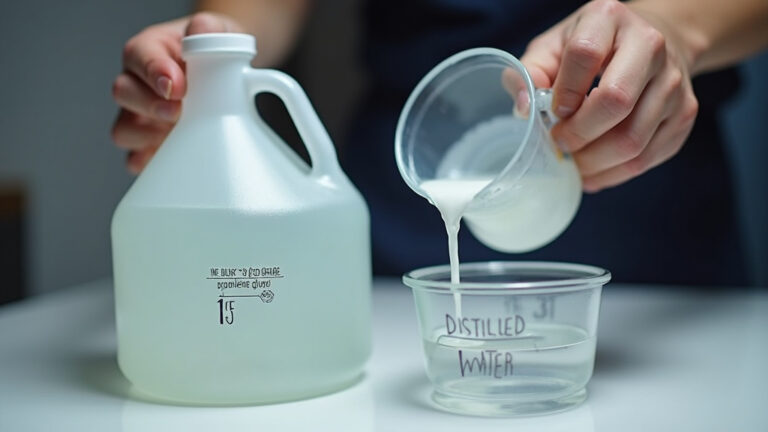
- Slowly add at least ten times the volume of tap water. For a full liter of juice, add ten liters of water. Stir gently.
- Slowly pour the diluted mixture down a utility sink, toilet, or bathtub drain.
- Run the cold water for another minute to flush the pipes thoroughly.
This level of dilution makes the mixture acceptable for wastewater treatment plants to process. Never pour pure, concentrated fog juice down any drain. For large quantities (gallons), contact your local household hazardous waste facility for guidance. They are equipped to handle the environmental impact of fluids properly.
Can You Use Expired Fog Juice?
Technically, you can. It won’t explode. But you absolutely should not.
The performance will be subpar. The fog will be thin, dissipate quickly, and may have an odd smell. More importantly, you risk damaging your fog machine. The cost of repairing a clogged pump or replacing a scaled heating element is many times the cost of a new bottle of quality fog juice brands.
Think of it like putting old, sludgy oil in your car’s engine. It might run, but the damage it’s doing internally isn’t worth the few dollars you saved. The same principle applies to your fog machine. Use fresh fluid. Your machine, and your haunted house guests, will thank you.
Frequently Asked Questions
What is fog juice made of?
Most common fog juice is a water-based solution of propylene glycol or glycerin. These glycols vaporize when heated to create the fog effect. Specialty oil-based formulas exist for low-lying fog effects, but they have different storage and machine requirements.
Does homemade fog juice expire faster?
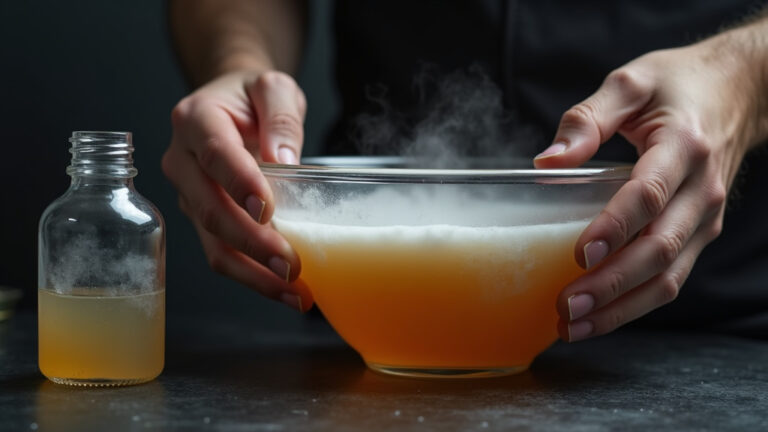
Yes, significantly. DIY recipes using distilled water and food-grade glycerin lack the industrial stabilizers and antimicrobial agents found in commercial fluids. Homemade juice can harbor bacterial growth within weeks and should be used immediately or discarded.
Can expired fog juice make you sick?
The primary risk is from inhaling the byproducts of thermal decomposition if bad fluid is heated, which can cause respiratory irritation. Always use fluid in a well-ventilated area. The fluids themselves are not for consumption. Always verify fluid ingredient safety with the manufacturer’s SDS (Safety Data Sheet).
How can I find the expiration date on my bottle?
Check the label, usually near the batch code or along the bottom seam of the bottle. It may be printed as “EXP,” “Use By,” or as a month/year code. If you can’t find one, contact the manufacturer with the batch code.
Does freezing ruin fog juice?
It can. While freezing won’t necessarily make it toxic, it can cause the water and glycol components to separate. Upon thawing, the mixture may not recombine properly, leading to inconsistent fog and potential clogs. It’s best to avoid freezing.
The Bottom Line
Fog juice is a chemical product with a finite lifespan. Respect the expiration date and trust your eyes and nose. Storing it properly in a cool, dark place with a tight seal is the simplest way to protect your investment and ensure your fog machine delivers a perfect, dense cloud every time you need it.
When in doubt, throw it out. A new bottle of fluid is a minor expense compared to the headache and cost of a machine repair. Keep your fluid fresh, your machine clean, and your haunts properly haunted.