Fog fluid is typically made up of a mixture of glycerin, water, and sometimes additional ingredients like food coloring. The glycerin and water work together to create a dense fog effect when heated by a fog machine.
There are different types of fog machines, but generally, they are either oil-based or water-based. Electrical voltage can also affect how long fog fluid lasts, as higher voltages can cause the fluid to break down more quickly.
Shelf life is an important factor to consider when determining how long fog fluid can last. Different types of fog fluid may have varying shelf lives. Water-based solutions, for example, tend to have a shorter shelf life than oil-based ones.
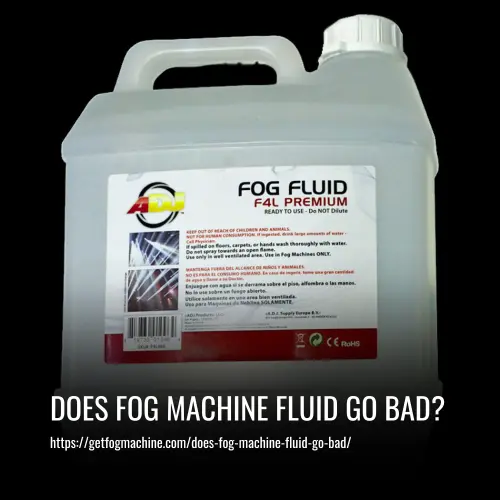
How Long Does Fog Fluid Last
Fog machine fluid has a shelf life of approximately three years if the container remains unopened. However, if the container is opened, the shelf life may be decreased to just one year. This occurs as impurities can enter the container and make the liquid thicker. In such instances, the fog fluid can still be utilized by filtering it through a coffee filter before pouring it into the fog machine.
It is worth noting that improper storage, such as exposing the container to direct sunlight or storing it on an uneven surface, can also impact the shelf life of the fluid. Additionally, the type of fog machine and fluid chosen can also play a role in the longevity of the product.
What Causes Fog Machine Fluid to Go Bad
Fog machine fluid can go bad due to various reasons. One of the most common causes is extended periods of storage. When left in a fog machine’s fluid tank for a long time, the ingredients in the fluid can begin to break down and negatively affect the fog output. Oxidation of the propylene glycol within the fluid can also cause it to go bad.
Another factor that can cause fog machine fluid to spoil is the introduction of bacteria and other contaminants that can affect the distilled water and food coloring used in the fluid. This can lead to the degradation of the fluid, making it unusable.
Signs that Your Fog Machine Fluid Has Gone Bad
Fog machine fluid is a crucial component when it comes to making special effects. However, just like any other fluid, it has a shelf life and may go bad over extended periods. How can you tell if your fog machine fluid has gone bad? Here are some indicators:
1. Bad Odor: If your fog fluid emits an unpleasant odor, it’s a clear sign that it has gone bad. You should immediately replace it with fresh fluid.
2. Discoloration: Fresh fog fluid is usually clear or slightly tinted. If you notice that your fluid has changed color, this could indicate that it has gone bad.
3. Thicker or stickier: If your fog fluid becomes thicker or stickier, you should be concerned. Fresh fluid is usually runny and watery.
4. Reduced Fog Output: If the fog output becomes less dense or doesn’t last as long as it used to, it could be another sign that your fluid is no longer good.
5. Cracks in Fluid Tank: If you notice cracks inside the fluid tank, it could be an indication that the fluid has gone bad and has left behind residue that has hardened.
Preventing Fog Machine Fluid from Going Bad
Fog machines are a popular choice for creating special effects for parties, concerts, and other events. The fog produced by these machines adds atmosphere and excitement to any event.
However, it’s important to prevent the fog machine fluid from going bad to ensure the best possible performance and avoid potential damage to your machine.
1. Proper Storage
One of the most important steps in preventing fog machine fluid from going bad is proper storage. It’s important to keep the fluid in an airtight container on a level surface in a cool, dry place out of direct sunlight. Avoid storing the fluid for extended periods of time, as this can cause the components to break down or bacteria to grow.
2. Use the Correct Fluid
Using the correct fluid for your type of fog machine is another important step in preventing the fluid from going bad. There are different types of water-based and oil-based fluids, and not all are interchangeable. Using the wrong type of fluid can damage your machine or cause the fog output to be uneven or not work at all.
3. Regular Cleaning
Regular cleaning of your fog machine can help prevent the fluid from going bad. This includes cleaning the nozzle and the fluid tank. It’s important to use the correct cleaning solution for your machine, as using the wrong solution can cause damage or contribute to the breakdown of the fluid.
FAQs
Yes, fog machine fluid can expire. Although it typically has a long shelf life, its quality can degrade over time, affecting its ability to produce fog efficiently.
Expired fluid may develop a yellowish or brownish color, emit an unusual odor, or form clumps or sediment at the bottom of the container. Additionally, it might produce less fog or cause the fog machine to malfunction.
Exposure to extreme temperatures, sunlight, air, or contaminants can cause fog machine fluid to deteriorate faster. Improper storage or leaving the fluid in the machine for an extended period without use can also impact its quality.
Yes, using expired fluid might damage the fog machine. It can clog the machine’s components or leave residue that affects its performance. It’s advisable to avoid using expired fluid to prevent potential damage to the equipment.
Generally, unopened fog machine fluid stored in appropriate conditions (cool, dark, and sealed) can last between one to two years. However, once opened, its shelf life reduces, usually lasting around six months to a year, depending on storage conditions.
Proper storage is crucial to extend the shelf life of fog machine fluid. Store it in a cool, dry place away from direct sunlight and extreme temperatures. Ensure the container is tightly sealed after use to prevent contaminants from entering and causing degradation. Additionally, using a clean fog machine and following manufacturer’s recommendations can help maintain the fluid’s quality.
Yes, you should leave some fog juice in a fog machine when storing it to prevent the motor from burning out. It’s important to store the machine on a level surface to prevent any spills. However, do not leave the machine with the cleaning solution in it.
Proper storage of fog liquid is crucial for keeping fog machines in good working condition. To store fog liquid, keep the fog machine fluid tank and tubes with a little fog fluid. Store it in an airtight container on a level surface in a cool, dry place away from direct sunlight. This will help maintain the shelf life of the fog fluid and ensure optimal performance when using the fog machine.
To properly dispose of fog fluid, avoid pouring it down the drain as it contains oils. Refrain from putting FOG (fats, oils, grease) down the drain to prevent clogs. Allow the fluid to cool down before disposal and put it in a sealed container for disposal. If needed, a small amount of fluid can be absorbed with a paper towel for disposal. Do not dispose of fog fluid improperly.
Fog machine fluid may freeze if the temperature drops to a certain level, depending on its concentration. To determine the freezing point, it’s best to consult the manufacturer’s guidelines. Once the temperature reaches the freezing point, the fluid will solidify.
Fog machine liquid may stain clothing depending on the type used. Some liquids are oil or glycerin-based, while others do not contain these substances. It’s important to be aware of the type of liquid being used and take measures to protect clothing if necessary.
Conclusion
In conclusion, fog machine fluid can indeed go bad over extended periods of time if not stored properly. The key to ensuring a longer shelf life is to store the fluid in an airtight container on a level surface away from direct sunlight and electrical outlets.
It is important to use the correct fluid for your specific type of fog machine, whether it be a water-based or oil-based solution. The use of colored lights and atmospheric effects along with fog machines can create a stunning visual experience but it is important to consider the impact on individuals with asthma and the potential smoke output.
Overall, understanding the types of fog machines and their associated fluids along with proper storage and maintenance can enhance the fog output and prolong the lifespan of your fog machine fluid. This article can serve as a helpful guide for both professional and casual fog machine operators alike.