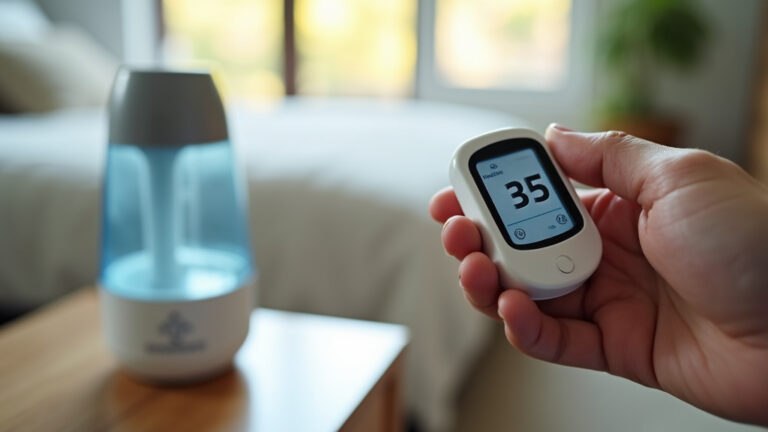
Can I Put Perfume in My Diffuser? The Straight Answer & Risks
This post contains affiliate links. As an Amazon Associate, we earn from qualifying purchases.
To safely scent a room with a diffuser, use only water and oils specifically formulated for diffusion, like essential oils or diffuser-safe fragrance oils. Putting standard skin perfume, which is up to 90% ethanol and contains synthetic chemicals, into a diffuser risks damaging the device, voiding its warranty, and creating potential health hazards from inhaling atomized ingredients.
People get this wrong because they think any pleasant-smelling liquid is interchangeable. Perfume is for skin; diffuser oils are for machines. The alcohol, dyes, and undisclosed solvents in perfume corrode plastic, clog ultrasonic plates, and leave a sticky film that gums up the entire mechanism within a few uses.
This guide explains the exact chemical damage perfume causes to different diffuser types, the real inhalation risks you haven’t considered, and the safe, effective alternatives that actually work. It also covers how to repurpose an empty perfume bottle safely, without risking your diffuser.
Key Takeaways
- Perfume contains high concentrations of ethanol (alcohol) that corrode plastic diffuser parts and can pose a fire risk in units with heating elements.
- Synthetic chemicals and dyes in perfume leave a residue that clogs the ultrasonic vibration plate in water-based diffusers, permanently reducing mist output.
- Inhaling atomized perfume ingredients, like phthalates and synthetic musks, can trigger respiratory irritation, especially for individuals with sensitivities or asthma.
- Using perfume voids most manufacturer warranties because it’s a non-approved liquid; the damage is often not covered.
- For safe diffusion, use products labeled for diffusers: essential oils, diffuser-specific fragrance oils, or pre-mixed diffuser refills.
What Happens When You Put Perfume in an Ultrasonic Diffuser?
Ultrasonic diffusers work by vibrating a metal plate at high frequency to create a cool mist from water and oil. They are not designed for alcohol-based solutions.
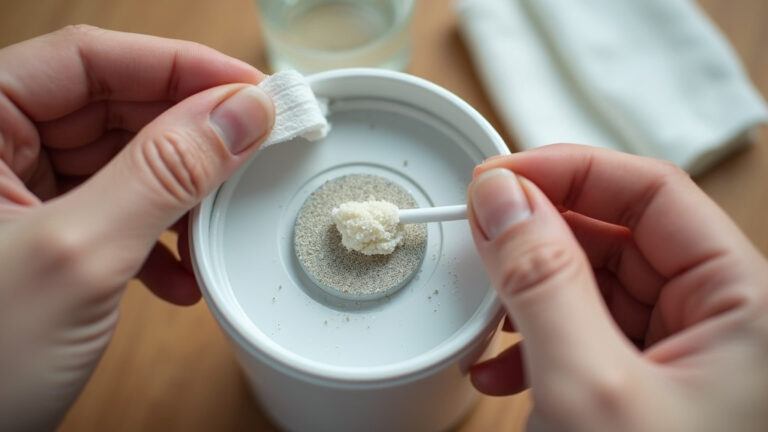
Perfume formulations contain ethanol concentrations between 70% and 90%, along with synthetic fixatives and dyes. When atomized by an ultrasonic plate, these chemicals deposit as a thin, sticky film on the plate and the surrounding plastic reservoir. This film dampens vibration efficiency within 3-5 uses, reducing mist output by up to 50%, and can permanently clog the plate if not cleaned aggressively with isopropyl alcohol.
The first sign of trouble isn’t always visible. You might notice the scent seems weaker, or the diffuser runs quieter. That’s the film building up. By the time you see a oily ring inside the reservoir, the plate is already compromised.
Common mistake: Adding a “small splash” of perfume to “boost” the scent, the alcohol concentration is enough to start degrading the plastic and loosening internal gaskets immediately. The diffuser might leak from the base within a week.
I ran a cheap Amazon-bought ultrasonic diffuser with a few drops of a popular department store perfume for a week. The mist output dropped to a faint wisp. Taking it apart, the ultrasonic plate had a brownish film that wouldn’t rinse off. Scrubbing with isopropyl alcohol restored some function, but the unit never produced its original volume again. That’s a $30 lesson.
TL;DR: Alcohol and chemicals in perfume create a residue that coats and cripples the ultrasonic plate, killing mist output. The damage starts on the first use.
The Chemical Culprits: Why Perfume and Diffusers Don’t Mix
Perfume is a cosmetic designed for topical application. Its chemistry is hostile to diffuser mechanics and inhalation.
| Perfume Ingredient | Primary Function | Damage Mechanism in Diffuser |
|---|---|---|
| Ethanol (Alcohol) | Solvent & carrier | Corrodes plastics, loosens seals, flammable hazard |
| Phthalates | Fixative & longevity | Can leach into mist, inhalation irritant |
| Synthetic dyes | Colorant | Stains reservoir, clogs micro-channels |
| Undisclosed solvents | Blending agents | Unknown reactivity with diffuser materials |
The ASTM D4236 standard requires labeling for inhalation hazards in art materials, but cosmetic perfumes fall under different regulations. Many ingredients are not evaluated for long-term airborne exposure. When you diffuse perfume, you’re creating an unregulated aerosol of these chemicals.
That matters. Especially if you have pets, kids, or respiratory sensitivities. The fog fluid safety guidelines for professional machines are strict for this exact reason, unknown inhalation risks.
Common mistake: Assuming “oil-based” perfumes are safe, they still contain synthetic fixatives and solvents not meant for diffusion. They can gum up a nebulizing diffuser’s atomizer nozzle just as effectively.
Diffuser Type Breakdown: Which Ones Are Most Vulnerable?
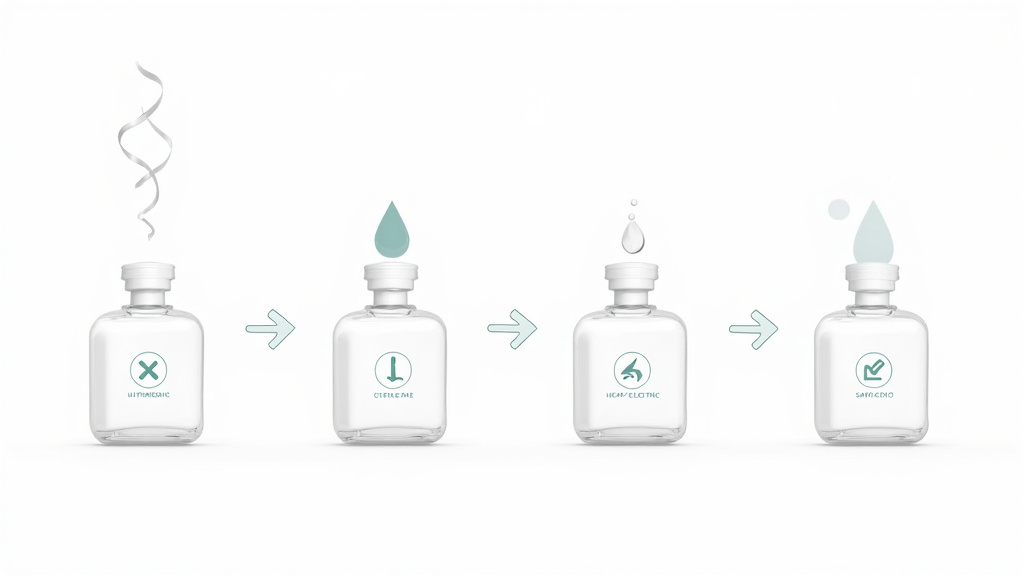
Not all diffusers react the same way. Your risk level depends on the technology.
Ultrasonic Diffusers (Most Common): Extremely vulnerable. The water-alcohol mixture fouls the system quickly. The damaging ultrasonic diffusers warning applies equally to perfume.
Nebulizing Diffusers (No Water): Less immediately damaging, but still bad. These atomize pure oil. Perfume’s alcohol and solvents can still degrade plastic pathways and alter the pump mechanism over time. The scent profile will be distorted.
Heat/Electric Diffusers: High fire risk. Alcohol is flammable. Introducing it near a heating element is a clear hazard. Most manuals explicitly ban it.
Reed Diffusers (Passive): Actually possible, but not with the original perfume. You must completely reformulate. The alcohol in perfume will evaporate too quickly from the reeds, leaving a weak scent and potentially drying out the carrier oil. This is where a safe DIY project lives.
Safe Alternatives: What Actually Works in a Diffuser
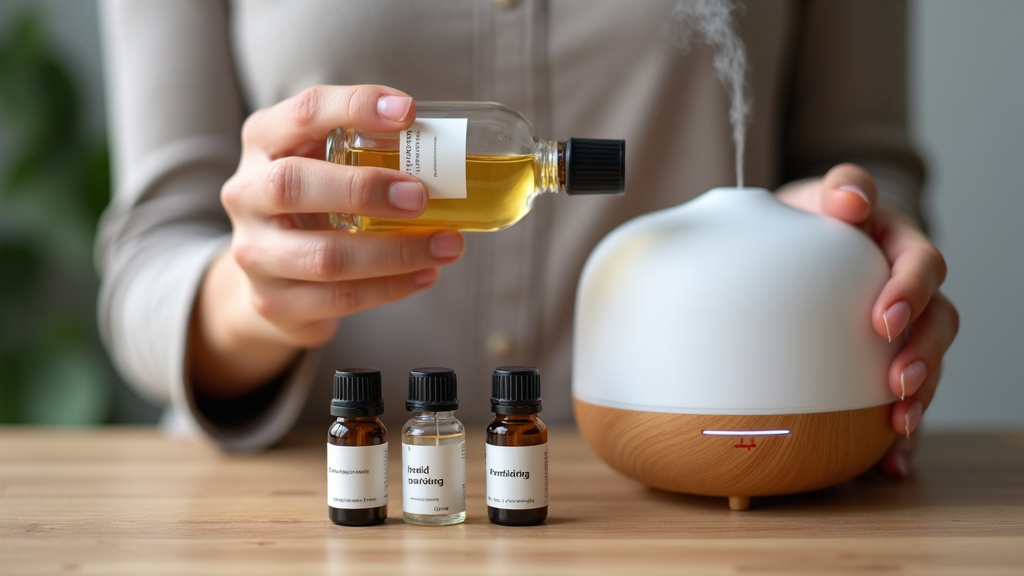
If you want a specific scent profile, use products engineered for the job.
- Essential Oils: Natural plant extracts. They are volatile and designed for aromatic dispersal. Start with 3-6 drops per 100ml of water. Overdoing it can overwhelm the room and leave an oily residue.
- Diffuser-Specific Fragrance Oils: These are blends of natural and synthetic aromatics formulated to diffuse cleanly without clogging. They are labeled “for diffusers” on the bottle. This is the closest safe equivalent to a perfume experience.
- Pre-Mixed Diffuser Refills: The safest choice. Companies like The Essence Vault make liquids with the correct viscosity and chemical composition for ultrasonic and nebulizing machines. They guarantee compatibility.
| Option | Best For | Risk If Skipped |
|---|---|---|
| Essential Oils | Aromatherapy, natural scent profiles | Can be expensive; some oils may irritate if overused |
| Diffuser Fragrance Oils | Replicating perfume-like scents | Must verify “diffuser-safe” label; generic “fragrance oils” may still clog |
| Pre-Mixed Refills | Guaranteed performance & safety | Limited scent variety; often brand-specific |
Choosing the right fluid is as critical as selecting the right machine. Our fog machine fluid reviews stress this for professional gear, the wrong liquid destroys the pump. Home diffusers are smaller, but the principle is identical.
TL;DR: Use only liquids marketed for diffusion. The label matters. Essential oils for natural therapy, fragrance oils for scent variety, pre-mixed refills for foolproof operation.
The DIY Path: Repurposing a Perfume Bottle Safely
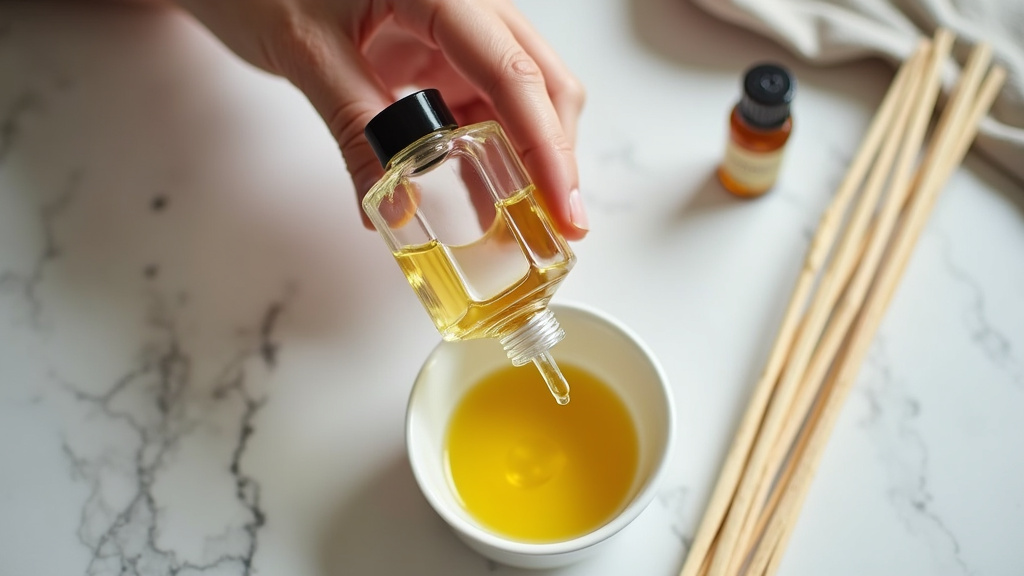
You can reuse a beautiful perfume bottle as a decorative reed diffuser. The key is stripping out the perfume and starting fresh.
Here’s the safe method, drawn from the YouTube DIY concept but corrected for actual diffusion chemistry:
Clean the empty bottle thoroughly with hot water and let it dry completely. Mix a carrier oil (like sweet almond or safflower oil) with a diffuser-safe fragrance oil. Do not use rubbing alcohol or the original perfume. The alcohol evaporates too fast and disrupts the oil’s wicking up the reeds. Fill the bottle three-quarters full with the new oil mixture, insert the reeds, and flip them after an hour.
This gives you a passive, constant scent without any electrical risk. It will not damage a reed diffuser. It also won’t smell exactly like the original perfume, because the fragrance oil is a different formulation. That’s fine. You get a lasting aromatic decoration.
Attempting this with the original perfume contents fails. The reeds won’t draw the alcohol-based mixture properly, and the scent vanishes in days. I tried it with a leftover bottle of cologne. The room smelled faintly for two days, then the bottle just smelled like dry alcohol. The proper oil mix in a cleaned bottle lasts months.
Health and Safety: The Inhalation Risks You Can’t See
Diffusing perfume isn’t just a machine problem. It’s a personal air quality issue.
Skin perfumes contain ingredients approved for dermal contact, not for lung intake. When ultrasonic or nebulizing diffusers aerosolize these chemicals, you breathe them directly into your respiratory tract.
- Respiratory Irritation: Immediate effects can include coughing, throat tightness, or headache. This is common with synthetic musks and some aldehydes.
- Sensitivity Building: Repeated exposure can increase sensitivity over time, leading to stronger reactions.
- Pet and Child Risks: Animals and children have smaller respiratory systems and may be more affected by concentrated aromatic chemicals.
The health and environmental safety considerations for fog machine fluids are based on similar principles, known ingredients versus unknown cocktails.
If you have asthma or known chemical sensitivities, this is a hard stop. Do not diffuse perfume. Use only pure essential oils with known profiles, or unscented mist.
TL;DR: Inhalation is a different exposure pathway than skin contact. Ingredients safe for your wrist may not be safe for your lungs when atomized.
Warranty and Long-Term Damage: The Cost of a “Quick Try”
Manufacturer warranties cover defects and normal use. They explicitly exclude damage from using non-approved liquids.
Your diffuser’s manual will have a section on “approved fluids” or “proper use.” If it says “water and essential oils only,” adding perfume voids the coverage. If the ultrasonic plate fails in six months, your repair claim will be denied.
The long-term damage isn’t always a total breakdown. It’s a gradual decline in performance, less mist, weaker scent dispersal, maybe a small leak. You’ll end up buying a new diffuser sooner. That’s the real cost.
Compare this to maintaining professional equipment. Our guide on cleaning a fog machine emphasizes using only approved fluids to prevent clogs and pump failure. The same discipline keeps a home diffuser running for years.
Frequently Asked Questions
Can I put a little perfume in my diffuser if I dilute it with lots of water?
No. Dilution doesn’t remove the problematic chemicals. The alcohol and solvents are still present and will still deposit on the ultrasonic plate and plastic. Dilution just slows the damage, not prevents it.
What about “oil-based” perfumes or perfume oils?
Still not recommended. These are formulated for skin, not for diffusion machinery. They often contain thickeners and fixatives that can clog the narrow pathways in a nebulizing diffuser. Stick to products with “for diffusers” on the label.
My diffuser smells weird after I used perfume. How do I clean it?
First, disassemble it if possible. Clean the reservoir with warm water and a mild dish soap. For the ultrasonic plate, use a soft cloth and isopropyl alcohol (90% or higher) to gently scrub the surface. Do not use abrasives. Let it dry completely before reassembly and testing with water only.
Are reed diffusers completely safe for perfume?
No, not with the original perfume. The alcohol base evaporates too quickly and doesn’t wick up the reeds properly. You must clean the bottle and refill it with a proper carrier oil mixed with a diffuser-safe fragrance oil.
What’s the safest way to make my room smell like my favorite perfume?
Use a diffuser-specific fragrance oil that duplicates the scent profile. Many companies make “type” fragrances that mimic popular perfumes. These are formulated for safe diffusion. Alternatively, use the perfume on your skin or clothing, not in the machine.
Before You Go
Putting perfume in a diffuser is a shortcut that breaks the machine and risks your air quality. The alcohol corrodes, the chemicals clog, and the warranty disappears.
The correct path is simple. Use what the diffuser is designed for: water and diffuser-safe oils. Essential oils for natural benefits, fragrance oils for scent variety, pre-mixed refills for guaranteed performance.
If you love the bottle, repurpose it as a reed diffuser with a fresh, safe oil mix. That keeps the aesthetics without the damage.
Your diffuser is a tool for atmosphere. Treat it with the same respect as a professional fog machine model, right fuel, right results. Anything else is a gamble with a broken device and a stale scent.