How Long Does a Fog Machine Last? The Rule & Pro Tips to Beat It
This post contains affiliate links. As an Amazon Associate, we earn from qualifying purchases.
A fog machine lasts about 6 months under regular, moderate use. That’s the industry average for a consumer-grade machine running a few hours each weekend. Professional models with rigorous maintenance can operate for years, while a neglected cheap unit might die in 60 days.
People think the machine just stops making fog one day. It doesn’t. It dies by a thousand cuts, a slow clog here, a struggling pump there, a burnt smell nobody mentions until the chamber is shot. They blame the machine when the real culprit is the syrup-thick fluid left to harden inside it after last Halloween.
This guide breaks down the 6-month rule, the three specific things that destroy foggers, and the maintenance schedule that adds years to the clock. You’ll get the fluid math, the battery specs for portables, and the one storage mistake that guarantees a repair bill.
Key Takeaways
- The heating chamber in advanced portable units like SmokeGENIE has a rated lifespan of about 100 hours of active spray time before performance degrades.
- Fluid quality dictates machine life. Cheap glycol-based fluids leave a sticky residue that crystallizes inside the pump and heating element, causing clogs and burnout within months.
- Clean with distilled water after every single use. Skipping this flush lets fluid residue dry and harden, restricting flow and forcing the pump to overwork.
- Storage environment matters more than you think. Humidity corrodes internal electronics; temperature extremes crack plastic housings and warp seals.
- Wattage predicts fluid consumption. A 400W machine sips a quart over 6 hours; a 1000W model burns the same amount in 2 hours. Pushing a small machine too hard melts its internals.
The 6-Month Average Lifespan (And What It Really Means)
That 6-month figure isn’t a warranty expiration. It’s the observed point where a typical home user, following no specific maintenance, starts noticing problems, weaker output, longer warm-up times, intermittent operation. The machine might still sputter along, but its reliable performance window has closed. Professional-grade machines from brands like Chauvet or Antari are built with heavier-duty components, but they hit this same cliff if treated like disposable toys.
A standard consumer fog machine operates effectively for approximately six months with moderate weekend use. This lifespan is directly tied to cumulative operating hours and the degradation of the heating element and fluid pump without intervention.
The countdown starts at first power-on. Each heating cycle stresses the metal coil. Each pint of fluid pushed through the tiny pump nozzles leaves a microscopic film. This is normal wear. Your job is to manage the rate of that wear. A DJ running a 1500W machine for three-hour sets every Friday will hit the 6-month mark faster than someone using a 400W unit for ten-minute bursts at birthday parties. It’s about total active hours, not calendar time.
TL;DR: The 6-month lifespan is a baseline for unmaintained consumer machines. Your actual timeline depends on total operating hours and how well you clean the fluid path.
The 3 Things That Kill a Fog Machine Fastest
If you want your machine to die young, do these three things. Most people accidentally do at least two.
1. Using the Wrong (or Cheap) Fog Fluid
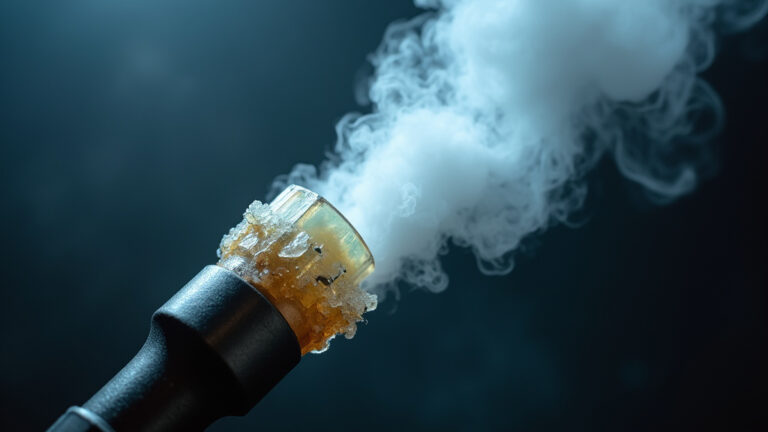
This is the number one cause of premature death. Low-quality fluids use impure glycols or excessive oils. As the fluid vaporizes, these impurities don’t fully atomize. They bake onto the heating element as a hard, caramel-like crust and coat the inside of the fluid lines. The pump has to work harder to push fluid through the narrowing tube, leading to overheating and eventual failure. You’ll notice a faint, sweet burnt smell long before the output drops to a trickle.
2. Neglecting the Post-Use Flush
You wouldn’t pour pancake syrup into a coffee maker and leave it. That’s essentially what happens when fog fluid sits in the tank and pump after you switch off. As it cools, it thickens and begins to solidify. The next time you power on, the pump tries to move glue. This causes immediate strain and leads to inconsistent output. The simple act of running distilled water through the system for 30 seconds after each use is the single most effective longevity hack.
Common mistake: Leaving fog fluid in the tank between uses, the glycol residue hardens within 48 hours in the pump, causing the next startup to stall and potentially burning out the motor.
3. Ignoring the Storage Environment
Stashing the machine in a damp garage or a hot attic is a silent killer. Humidity promotes corrosion on electrical contacts and circuit boards. Extreme heat can warp plastic fittings and dry out rubber seals, creating leaks. Cold temperatures make plastic brittle. Always store the unit completely dry, in a climate-controlled space, and covered to keep out dust.
| Killer Factor | How It Damages the Machine | Time to Noticeable Failure |
|---|---|---|
| Cheap Fluid | Residue clogs heater & pump | 2–3 months of regular use |
| No Post-Use Flush | Crystallized glycol jams pump | After 1–2 neglected sessions |
| Poor Storage | Corrosion, warped seals, dust | 6–12 months |
How Fluid Choice and Consumption Dictate Longevity
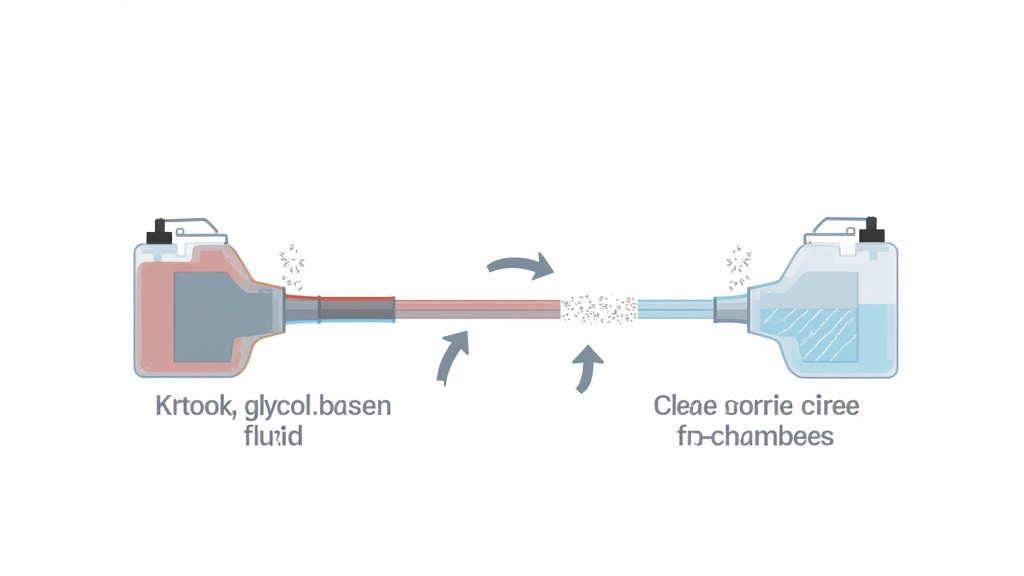
Your fluid is the machine’s blood. Put sludge in, and the heart fails. The math of consumption also tells you if you’re overworking your hardware.
Fluid Types: The Longevity Trade-Off
- Glycol-Based Fluids (Standard Fog): Create thick, lingering fog. They also leave the most residue. High-quality versions use purer glycols that vaporize cleaner. Cheap versions are the main culprit in clogged machines.
- Water-Based Fluids / Hazers: Produce a fine, suspended haze with minimal residue. They are far easier on the machine’s internals and are the choice for long-running theatrical productions where machine lifespan is critical.
- Specialized Low-Residue Fluids: Brands like Froggy’s Fog or MDG offer fluids formulated to minimize residue. They cost more per gallon but can double the time between deep cleanings.
Consumption Rates: Don’t Overdrive Your Engine
Knowing your machine’s thirst tells you its limits. Pushing a small machine to produce like a large one burns it out.
| Machine Wattage | Fluid Consumption (1 Quart / ~1 Liter) | Implication for Lifespan |
|---|---|---|
| 400W Compact | Lasts ~6 hours | Safe for long, low-output events. Low stress. |
| 1000W Standard | Lasts ~2 hours | Standard duty cycle. Requires cooldown periods. |
| 1500W–2000W Pro | Lasts ~1–1.5 hours | High output, high wear. Mandatory cleaning intervals. |
| 4000W Fog Jet | Lasts ~3 minutes at full burst | Extreme wear component. Professional maintenance only. |
Running a 400W machine for 4 hours straight to empty a quart is fine. Trying to get the same output duration from a 1000W machine by running it at full blast for 4 hours will overheat the heating chamber. It’s not designed for that duration at max power. This is why understanding your fog machine fluid consumption is part of basic operation.
Your Maintenance Schedule: The 3-Level System
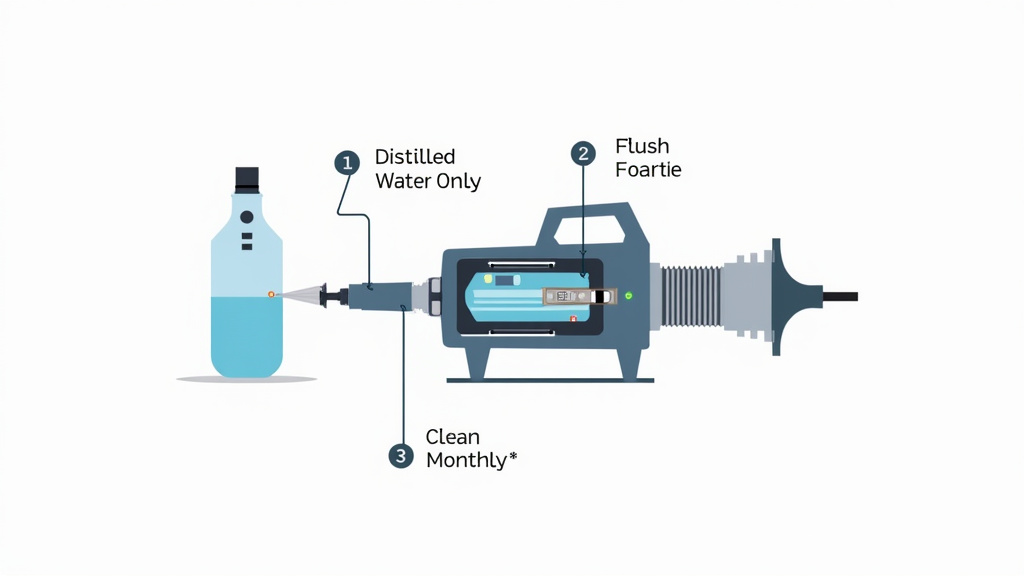
Maintenance isn’t optional. It’s the price of admission for a machine that lasts more than one season. Follow this tiered system.
Level 1: After Every Use (5 Minutes)
This non-negotiable step prevents 80% of problems.
1. Let the machine cool for 15 minutes.
2. Pour distilled water into the empty fluid tank. Do not use tap water, its minerals cause scale.
3. Run the machine until the water tank is empty, spraying the clean vapor out. This flushes residual fluid from the pump and heating chamber.
4. Wipe the exterior with a dry cloth.
Level 2: Monthly or Every 40 Operating Hours (15 Minutes)
This is a deep clean to remove any accumulated film.
1. Create a cleaning solution: 50% distilled water, 50% white vinegar. Some manufacturers sell specific cleaning fluid; use that if you have it.
2. Fill the tank with the solution and run the machine until the reservoir is empty.
3. Perform two additional flush cycles with pure distilled water to remove any vinegar residue.
4. Inspect the nozzle. Use a cotton swab dipped in distilled water to gently clear any crust.
Level 3: Annual Professional Service
For machines used in revenue-generating events (DJs, theaters, haunted houses), a yearly professional check-up is cheap insurance. A tech will disassemble the pump, inspect the heating element for hot spots, and test electrical connections. This can catch a failing component before it fails during a show.
Adhering to this routine maintenance and cleaning schedule is what separates a 6-month machine from a 6-year machine.
What About Portable/Battery-Powered Foggers?
Units like the SmokeGENIE or SmokeNINJA are a different beast. They use a highly concentrated fluid and a precision heating chamber. Their lifespan is often measured in component hours, not months.
- Chamber Lifespan: The heating chamber in these devices is typically rated for about 100 hours of active spray time. After this, the heating efficiency can drop, requiring more power to produce the same fog output.
- Battery Life: A fully charged SmokeGENIE battery provides approximately 45 minutes of continuous operation at maximum output. At lower power settings, it can last several hours. Deep-draining the battery every time shortens its overall lifespan.
- Fluid Consumption: These machines are extremely efficient, using as little as 0.5ml of specialized fluid per minute at max power. A 100ml bottle can last over 3 hours. Using the correct, often proprietary, fluid is absolutely critical, substitutes will destroy the delicate chamber.
Their durability comes from precision, not brute force. Treat them like a camera lens, not a hammer.
When to Know It’s Time for a Replacement (Not a Repair)
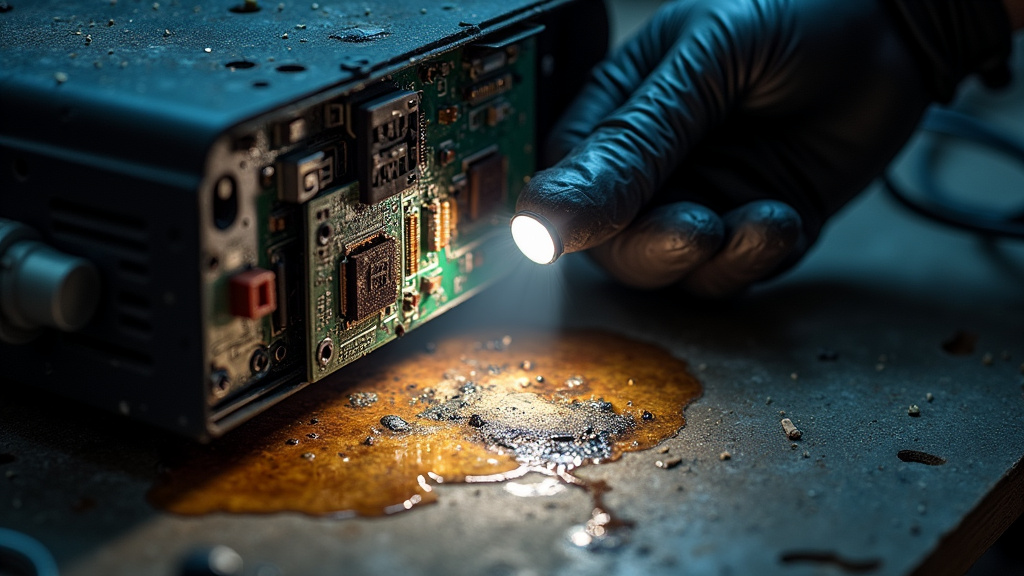
Even with perfect care, machines wear out. Here are the signs that indicate a terminal failure, where repair costs exceed the value of a new unit.
- The Burnt Electronic Smell: A light scent is normal. A sharp, acrid smell of burning plastic or wiring means an electrical component is failing. Stop use immediately.
- Consistent Weak Output After Cleaning: If you’ve performed a thorough deep clean and the fog output is still a pathetic wisp, the heating element is likely coated in permanent scale or is failing. Replacement is often more expensive than a new budget machine.
- The Pump Groans or Doesn’t Start: You hear a strained humming or clicking, but no fluid moves. This indicates a seized pump motor or a completely clogged fluid path. On a cheap machine, this is a death knell.
- Visible Fluid Leaks from the Casing: If fluid is weeping from seams other than the nozzle, internal seals or lines have failed. This is a hazard and a sign of major internal damage.
For a high-end professional model, these symptoms might warrant a repair. For a sub-$150 consumer unit, they’re your signal to shop for a new one from a list of durable fog machine brands. Investing in a better model upfront often pays off in longer service life.
Frequently Asked Questions
Can a fog machine last 10 years?
Yes, but only under specific conditions. A professional-grade machine (like a Chauvet 1200W or similar), used for moderate events and subjected to rigorous, scheduled maintenance, including annual professional servicing, can absolutely reach a decade of service. A consumer machine rarely will.
Does frequent use shorten the lifespan?
Frequent use with proper maintenance does not shorten the lifespan disproportionately. In fact, regular use and cleaning is healthier than letting a machine sit for a year with old fluid inside. It’s frequent use without maintenance that kills machines quickly.
What’s the most expensive part to replace?
The heating element assembly or the main fluid pump. On many machines, these parts are integrated or difficult to source. The labor to replace them can cost 75% of the price of a new machine, making repair uneconomical for budget models.
How does a haze machine’s lifespan compare to a fog machine?
Haze machines generally have a longer operational lifespan. They use minimal-residue fluids (often water or oil-based) and operate at lower temperatures, putting less thermal stress on the heating element. However, their precise pumps can be sensitive to dust and require clean environments.
Is it worth buying a used fog machine?
It’s a gamble. You have no idea about its maintenance history. If you do buy used, immediately perform a rigorous deep clean and inspect the nozzle and tank for residue. Plan for it to have a shorter remaining life than a new unit. Factor that into the price.
The Bottom Line
The six-month lifespan is a warning, not a sentence. It’s the result of the most common path: buy, use, ignore, discard. You control the variables. Using high-quality fog liquids, flushing with distilled water after every single event, and storing the machine dry in a stable environment are not advanced tricks. They’re the basic hygiene that keeps the pump moving and the heating element clean.
Your machine’s expiration date is written by the fluid you pour into it and the water you flush through it afterward. Choose wisely, clean diligently, and that 6-month clock resets for years.