Low lying fog machines and regular fog machines both produce a fog-like effect, but there are some differences. Regular fog machines produce heated smoke that rises and spreads throughout the room, while low lying fog machines produce cold liquid particles that stay close to the ground, creating a more low-lying effect.
Low lying fog machines and regular fog machines are both popular special effects machines used in various settings, from theatrical productions to weddings and dance parties. While both machines are designed to produce fog, they differ in the type of fog they produce and how it is dispersed.
In this article, we will explore the differences between the two types of machines, the pros and cons of each, and which one might be the best choice for your particular needs. If you are considering using fog machines for your event or production, it is important to understand the differences between low lying fog machines and regular fog machines to ensure you achieve the desired effect.
So, read on to learn more about these different types of machines and how they could enhance your next event or production.
Difference Between A Low Lying Fog Machine And A Regular Fog Machine
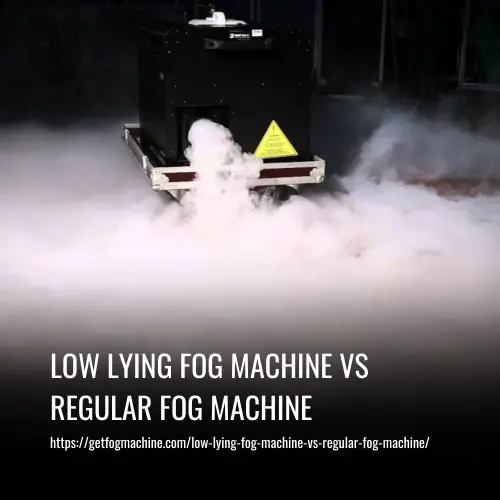
The primary difference between a low lying fog machine and a regular fog machine is the type of fog they produce and how it is dispersed. Regular fog machines use heated smoke that rises and spreads throughout the room, while low lying fog machines produce cold liquid particles that stay close to the ground.
Low lying fog machines are designed to create an atmospheric effect by creating a thick layer of mist near the floor, while regular fog machines disperse their smoke throughout the room.
Low Lying Fog Machine
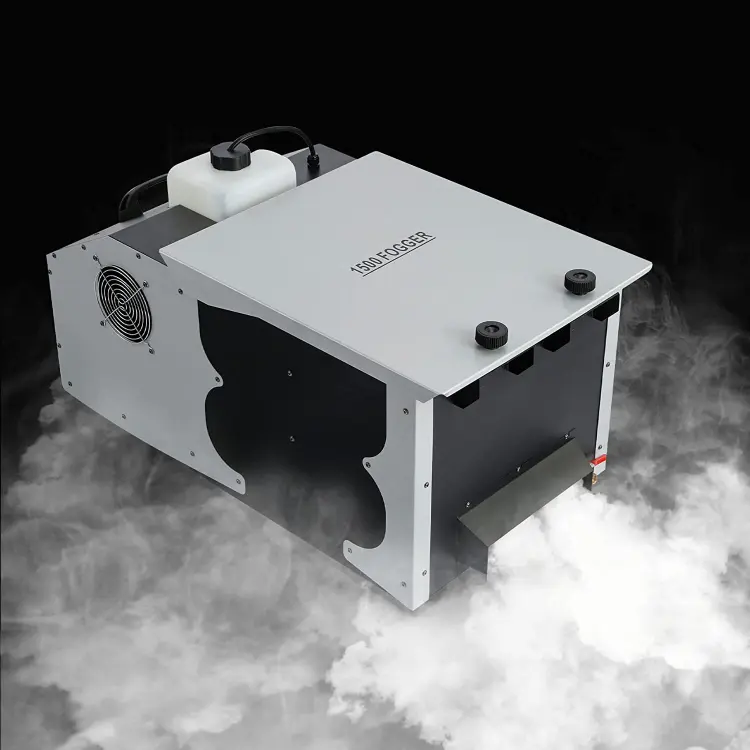
A low lying fog machine is a specialized tool that creates a thick, dense fog that stays low to the ground. This type of fog machine is also known as a fog chiller, ground fogger, or low fog generator. Unlike standard fog machines, a low lying fog machine is designed to produce fog that does not rise into the air but remains close to the ground, creating a spooky and eerie atmosphere.
This makes it a popular choice for Halloween-themed events, haunted houses, and theatrical productions. A mixture of water and special liquid is used to create the ground dense fog, and dry ice can also be used to enhance the effect further.
Regular Fog Machine
A regular fog machine is a device that produces an opaque smoke-like vapor which adds to the drama of professional entertainment settings or home parties. Its primary function is to create a special effect that can enhance the visual experience of a performance. Usually, fog machines have a heating element that vaporizes a specialized liquid, creating a stream of fog particles that are safe for inhalation.
Although the majority of applications are for larger events like concerts, haunted houses, and theatrical performances, smaller and more affordable fog machines are gradually gaining popularity among private users. Regular fog machines use a mixture of water and specialized fog juice to create fog particles that range in size and density.
The fog machine fluid is available in various types that suit different types of machines, while a remote control unit sets the frequency of the fog per minute. Though the machine output is usually harmless, the use of smoke detectors is still recommended.
How Does a Low-Lying Fog Machine Work
Low-lying fog machines function in the same way as regular fog machines, with the only distinction being their ability to generate fog that stays close to the ground, typically not more than a foot high. The denser fog created allows for the performance to be set up nearer to the spectators without interfering with visibility.
Low-lying fog machines use water-based fog fluid that leaves no residue on surfaces. Dry ice machines provide the best performance in low-lying fog generating machines; however, they are more difficult to maintain and set up than other models. Low-lying fog machines are ideal for stage shows since they create a theatrical setting that enhances the performance of lights and sound.
With low-lying fog machines, it is possible to generate fog at the feet that produces fog per minute, with fog particles that circulate for extended periods. Whether it’s a wedding, a party or another type of event, low-lying fog machines are the perfect choice for creating a larger image that’s sure to impress your guests.
How Does a Regular Fog Machine Work
A typical fog machine operates by converting fog fluid into vapor and releasing it into the atmosphere. It starts with the fog fluid being heated by a heating element inside the machine, producing a vapor that is discharged through an aperture situated on the upper part of the fog machine.
The emitted fog typically rises, causing it to spread all over the desired location. Compared to low-lying fog machines, a regular fog machine generates less dense fog. Regular fog machines are ideal for indoor events, dance floors, and theatrical settings. They are also suitable for creating a spooky or otherworldly vibe at parties, concerts, or stage performances.
It is important to monitor and regulate the fog output to prevent excessive fog that could cause poor visibility or pose a health hazard, especially to people with respiratory problems. Regular fog machine fluids are readily available and come in different scents. A fog machine’s compact size and remote control options make them a popular special effect tool in the entertainment industry.
Benefits of Using a Low-Lying Fog Machine
A low-lying fog machine is a type of fog machine that comes with a lot of benefits. Here we’ll discuss why you should use a low-lying fog machine.
1. Low-Lying Fog
The low-lying fog produced by these machines is one of the primary reasons why they’re so popular. Unlike regular smoke, low-lying fog won’t travel as far, eliminating the possibility of your guests’ visibility getting compromised. Moreover, the fog stays at ground level, so you won’t have any residue on your floors, walls, or furniture, making them easier to clean up.
2. Easy to Operate and Maintain
Low-lying fog machines are significantly easier to operate and maintain. They won’t overheat or burn out your fog fluid, which, in turn, provides a longer lifespan to the machine.
3. Comes with Premium Features
Most low-lying fog machines come with premium features such as a built-in timer and an adjustable fluid tank. These features allow you to get the most value out of your machine.
4. Versatile
Low-lying fog machines have widespread applications in various fields. They’re ideal for adverts, film-making, and other activities where fog needs to stay low without spreading all over.
Benefits of Using a Regular Fog Machine
Regular fog machines possess distinct qualities that may make them the right choice for certain events or purposes. Here are some of the key benefits of using a regular fog machine:
1. Cost-Effective
One of the main advantages of regular fog machines is their affordability. They are generally less expensive than low-lying fog machines since they do not typically come with many added features. If budget is a factor, a regular fog machine may be the best option for you.
2. Ideal for Outdoor Use
Regular fog machines are particularly fitting for outdoor events since the fog generated tends to disperse more quickly. This means it won’t linger and interfere with guests’ sightlines, making it more useful in some cases.
3. Effective Disinfectant
Regular fog machines may be more effective for disinfection, particularly in large venues such as hospitals, gyms, and schools. Since the fog produced by the machine rises and spreads, it is better able to reach all surfaces, including those high up.
4. Suitable for Certain Effects
Regular fog machines may be a sufficient choice for certain effects such as a smokescreen or for fogging up windows to cloak objects within them. However, keep in mind that depending on the fog juice used, the machine may leave residue on furniture and other surfaces.
Which One is Better Low Lying or Regular Fog Machines?
Choosing between low-lying fog machines and regular fog machines depends on various factors that include the type of event you are hosting. If you are looking for a fog machine that will not cloud your guest, then a low-lying fog machine is the perfect choice. Low-lying fog machines create a hugging effect that lies close to the floor, making it ideal for events such as weddings.
Low-lying fog machines are also perfect if you plan to advertise your brand as they provide the option of creating low-lying clouds with a special liquid in a theatrical setting. Regular fog machines, on the other hand, are suitable for outdoor events and are perfect for smoking up windows or giving an area a smokey effect.
Regular fog machines are ideal for disinfecting large rooms as they produce fog particles that rise and spread, covering areas effectively. Additionally, regular fog machines come with a range of features such as remote control and timers, which makes them easy to use while creating larger images. So, when choosing between low-lying fog machines and regular machines, consider the event, the effect you want to achieve, and the features you need for the best results.
FAQs
Low-lying fog machines are equipped with various premium features like adjustable fluid tanks, built-in timers, and more. Some fog machines even include light effects. It is essential to consider these features before selecting a fog machine that best suits your needs. These features can make a difference in the quality of the fog produced, its distribution, and the amount of time the machine runs. With these special features, fog machines can be used to enhance the effect of many events, from theatrical productions to wedding parties.
A regular fog machine can create various visual effects such as smokescreens, hiding objects, and creating an eerie atmosphere. Its application is not limited to these effects; several other effects can be produced with it. Before choosing a fog machine, it is essential to consider your intended use to get the best out of it. With a regular fog machine, creating an ambiance for a theatrical setting or a wedding party is a perfect choice. Its fog can reach several feet high in a series of machine-generated fog particles, producing an extended period of fog per minute.
Using low-lying fog juice in a regular fog machine is possible, but may not produce the desired effect. Low-lying fog is created by a mixture of water and either dry ice or a special liquid that is cooled, causing the fog to stay close to the ground. Regular fog machines use a heating element to vaporize a fog fluid, which creates a mist-like effect.
In general, you can expect low-lying fog juice to last up to four hours in a low-lying fog machine and up to six hours in a compact fog machine. The length of time the juice lasts will also depend on the wattage of the fog machine- a 1000-watt machine will burn through fog juice faster than a 400-watt machine.
To achieve low lying fog effects outdoors, a fog chilling device is required. Certain fog fluids are formulated to produce the desired effect for outdoor scenes, such as Froggys Freezin Fog. It is a water-based fluid suitable for creating low lying fog in outdoor settings, particularly for graveyard scenes. Using a low lying fog machine alone outdoors may not successfully produce the desired effect, and a chilling device may be necessary for optimal results.
Conclusion
In conclusion, this article has provided valuable insights into the key differences between low-lying fog machines and regular fog machines. While regular fog machines are ideal for creating a haze or mist effect, low-lying fog machines use dry ice to create a more dramatic, ground-hugging fog effect.
Low-lying fog machines are a perfect choice for theatrical settings and special events, whereas regular fog machines are well-suited for smaller venues and dance floors. Additionally, low-lying fog machines typically require a higher initial investment due to the cost of dry ice, while regular fog machines are relatively more affordable.
Ultimately, the decision between a low-lying fog machine and a regular fog machine will depend on the specific needs and preferences of the user.