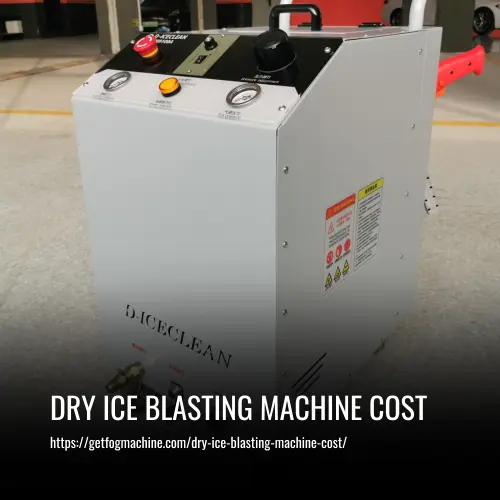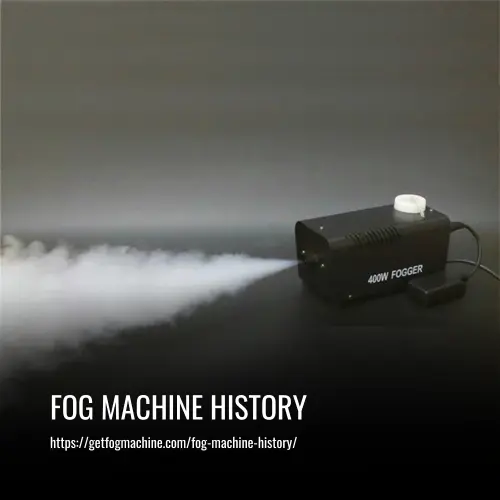
Dry ice can be used in a fog machine, but only in specific types of machines. Fluid-based fog machines, which use a fog fluid, are not suitable for dry ice use. Instead, dry ice should be used in a special type of fog machine called a dry ice fog machine or a chiller on a fog machine.
Dry ice fog machines work differently compared to fluid-based fog machines. Instead of using a fog fluid, dry ice fog machines use frozen carbon dioxide to create a fog effect. The machine heats the dry ice, causing it to undergo sublimation and produce a fog that looks like smoke.

How to Add Dry Ice to a Fog Machine
Adding dry ice to a fog machine can be a tricky process, but with the right steps, it can be done safely and effectively. Here’s what you need to do:
1. Check that your fog machine is specifically designed to handle dry ice and has a designated area for warm water.
2. Determine the appropriate amount of dry ice needed for the desired effect. This may vary depending on the size of your fog machine and the desired fog effect.
3. Place the dry ice in a safe, insulated container (such as a styrofoam cooler) and add hot/warm water (around 50C) to the container. Note: Do not use boiling water, as it can cause the dry ice to go into a gaseous state too rapidly.
4. Carefully add a small amount of the dry ice and water mixture to the designated area on your fog machine. It’s important not to add too much at once, as this may cause the fog effect to stop entirely.
5. Monitor the fog effect, observing if it’s suitable for your needs. You may need to adjust the amount of dry ice used to achieve the desired effect.
By following these steps, you can successfully add dry ice to your fog machine and create an impressive and realistic fog effect.
Benefits of Using Dry Ice in a Fog Machine
Dry ice fog machines offer a unique and exciting effect for parties and events. Using dry ice instead of conventional fog fluid offers a range of benefits. Firstly, the low-lying fog effect created by dry ice fog machines is truly unique and captivating. Unlike regular fog machines that produce fog that floats up and dissipates quickly, dry ice fog hugs the ground and creates a mysterious, ethereal feel.
Furthermore, dry ice fog has a longer lifespan than traditional fog machines, meaning it can provide hours of entertainment and atmosphere. Additionally, the fog produced by dry ice can wrap around objects and create an illusion of floating mid-air, adding to the overall effect.
Apart from party effects, dry ice machines can also be used for various other purposes. For example, it can be used for visual effects in movies, television shows, and photo shoots. It also offers practical applications like pest control, medical and scientific research, and more.
Risks of Using Dry Ice in a Fog Machine
Using dry ice in a fog machine can produce impressive effects, but it’s crucial to be aware of the risks associated with this method. Dry ice can be dangerous if not handled properly, and there are several safety precautions that you should take into account.
First and foremost, it’s essential to avoid using excessive amounts of dry ice in your fog machine. Doing so can cause freezing of the machine’s parts, which can potentially damage it in the long run. Additionally, handling dry ice without proper protection can result in burns since it’s extremely cold and can cause skin damage upon contact.
Inhalation of carbon dioxide gas produced by dry ice can also be hazardous, especially if you are working with it in enclosed spaces with insufficient ventilation. Breathing in high concentrations of this gas can lead to dizziness or even loss of consciousness, which could be dangerous.
It’s also crucial to ensure that you are using the appropriate type of fog machine designed for the use of dry ice. Using the wrong one or using too much dry ice can not only damage the machine but also create hazardous working conditions. Thus, it’s important to carefully read the manufacturer’s instructions before using a fog machine with dry ice.
Considerations for Using Dry Ice in a Fog Machine
When using dry ice in a fog machine, there are a few important considerations to keep in mind. From handling dry ice safely to ensuring that you have the right type of fog machine, taking these factors into account can help you achieve stunning cloud effects while keeping yourself and your equipment safe.
1. Safety Precautions
Using dry ice in a fog machine can create a stunning visual effect, but it is important to take safety precautions to avoid any potential risks. Dry ice is frozen carbon dioxide (CO2) and can be dangerous if not handled properly in enclosed areas.
First and foremost, it is important to use a CO2 monitor to measure the levels of CO2 in the air and ensure they do not reach dangerous levels. Wearing protective gear, such as gloves, when handling dry ice is also crucial. Proper ventilation is key to preventing CO2 buildup and maintaining a safe environment.
2. Costs and Availability of Materials
Dry ice is a popular material for creating a dramatic effect in a fog machine. However, it’s important to consider the cost and availability of the necessary materials before using it. The cost of dry ice typically ranges from $1 to $3 per pound, depending on location and supplier. It can be purchased from grocery stores, online retailers, and specialty suppliers.
When using dry ice in a fog machine, it’s essential to also consider the cost and availability of appropriate fog machine fluid, which can range from $10 to $30 per gallon. Additionally, a chiller or specialized dry ice fog machine may be required, which can range in price from $100 to $2,000.
3. Types of Fog Machines Suitable for Dry Ice Use
If you’re looking to create a low-lying fog effect for your special effects, using dry ice in combination with a fog machine can achieve this desired effect. However, not all fog machines are designed to use dry ice- there are specific types of fog machines that are suitable for this purpose.
Dry ice fog machines are labeled as such and feature a designated chamber to place the dry ice directly into warm water. As the dry ice sublimates, or turns from a solid to a gas, it combines with the warm water to create a low-lying fog effect.
Some popular dry ice fog machines include the Ice-101 Ice Fog Machine, 1,000-Watt Fog Machine, and Dmx Dry Ice Machine. It’s important to note that regular fluid-based fog machines cannot use dry ice- they are not designed for it. So, it’s crucial to choose the right type of machine for the effect you want to achieve.
4. Amounts of Dry Ice Needed to Create an Effect
Dry ice can be a great way to enhance the special effects of a fog machine. The amount of dry ice needed varies depending on the desired effect and the size of the space. A rough guide for the amount of dry ice needed is 20kg, which can produce between eight to ten minutes of fog and create a thick fog carpet.
For a more subtle effect to enhance a food or wine presentation, a small 4kg pack of dry ice is ideal. However, for creating a few large smoke effects, the recommended amount is a 10kg pack. Consider multiples of the 10kg pack for larger spaces and more memorable displays.
It’s essential to consider other factors such as the type and size of the fog machine, the amount, and composition of fog fluid or other liquids used, as well as the temperature and humidity of the environment. By taking these factors into account, you can achieve the perfect amount of dry ice to create the desired effect.
Alternatives to Using Dry Ice in a Fog Machine
If you’re looking for an alternative to using dry ice in a fog machine, you’re in luck. There are several alternatives to achieve a similar effect without the hassle of dealing with dry ice.
One popular alternative is to use fog fluid or fog juice in a fluid-based fog machine. This is a great option for those who want a reliable and easy-to-use method for creating fog and smoke effects. Simply add the fog fluid to the machine and turn it on for instant fog.
Another alternative is to use a chiller on a fog machine. This works by cooling the fog output, causing it to sink and create a low-lying fog effect. This can be a great option for creating a spooky, eerie atmosphere.
For those who want to get creative, creating a soapy or bubbly water mixture can create an interesting fog effect. Alternatively, an ice machine or frozen carbon dioxide can also be used as a substitute for dry ice. These methods require a bit more effort and equipment but can create unique and impressive results.
FAQs
No, you should not put dry ice directly into a fog machine. Dry ice produces extremely cold temperatures, and placing it directly into the machine can damage its internal components or cause it to malfunction.
You can create a foggy effect by placing dry ice in a container of hot water near the intake of the fog machine. As the hot water melts the dry ice, it produces a thick, low-lying fog that the machine can then blow out.
Handle dry ice with insulated gloves as it can cause burns on the skin due to its extremely cold temperature. Ensure proper ventilation when using dry ice to avoid a buildup of carbon dioxide, which can displace oxygen in an enclosed space.
Not all fog machines are designed to work with dry ice. Look for fog machines specifically labeled or designed for use with dry ice or that have a “Low-Lying Fog” option to ensure compatibility.
The duration of the fog effect depends on various factors such as the amount of dry ice used, the water temperature, and the surrounding environment. Generally, the fog effect can last anywhere from a few minutes to half an hour.
Dry ice can typically be obtained from local grocery stores, ice suppliers, or specialized retailers. It’s important to handle dry ice carefully and transport it in a well-insulated container to maintain its low temperature.
Conclusion
In conclusion, dry ice can be used in a fog machine to produce a unique and effective special effect. However, it is important to ensure that the fog machine is designed for use with dry ice. Using dry ice in a regular fluid-based fog machine can cause damage and potentially harmful situations.
When using a dry ice fog machine, it is important to take proper safety precautions and handle the dry ice with care. It is also important to note that dry ice fog machines produce a different type of fog than fluid-based fog machines, as the fog is created from frozen carbon dioxide instead of fog fluid.
Overall, incorporating dry ice into your fog effects can add an extra element of excitement and creativity to your event or production. Just be sure to use the appropriate type of fog machine and handle the dry ice with caution.