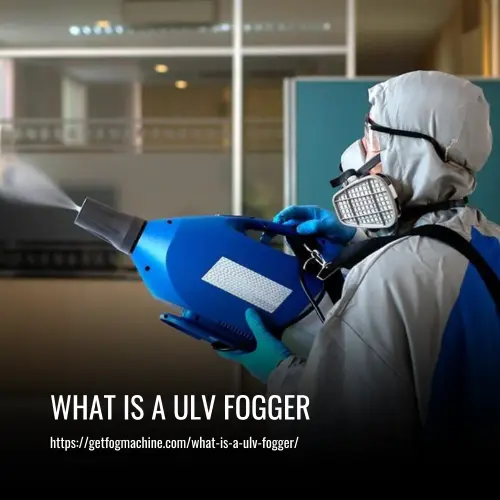
A ULV fogger, or Ultra-Low Volume fogger, is a device that uses ultrasonic vibrations to turn a small amount of liquid into a fine mist or fog. This mist contains droplets that range from 5-20 microns in size, making it an efficient method for outdoor applications such as pest control and mold control.
ULV foggers are also commonly used for disinfection purposes in order to cover a wide area with a high volume of fluid in a short period of time. These fogger machines have a wide range of applications and are ideal for hard-to-reach areas.
ULV foggers are available in various types and sizes, with different outputs and fogger flexibilities to meet specific requirements.
ULV Foggers: The Basics
ULV foggers, or ultra-low volume foggers, are devices that use ultrasonic vibrations to create a mist or fog. These foggers utilize large volumes of air at low pressure to move the liquid, which is then released into the desired area.
There are different types of ULV foggers available, some using air compressors and others using heated elements. The mist created by a ULV fogger is very fine, allowing it to cover a large area and travel long distances.
It is important to note that the mist will settle over time, necessitating re-fogging to maintain desired coverage. Additionally, ULV foggers are specifically designed for cold fogging, ensuring they do not cause damage to surfaces or equipment.
Are ULV Foggers Effective
ULV fogging is one of the most effective methods for pest control, especially in outdoor applications. ULV foggers create a fine mist with droplet sizes ranging from 5-20 microns, allowing the mist to penetrate deep into cracks and hard-to-reach areas where pests hide.
The mist remains in the air for a prolonged period of time, resulting in high coverage with minimal effort. Additionally, the mist evaporates quickly, mitigating the risk of it settling on surfaces and causing damage. ULV foggers are an efficient and reliable solution for effective pest control.
How Do ULV Foggers Work
ULV (ultra-low volume) foggers are designed for a wide variety of outdoor applications, including pest control, mold control, and odor control. These fogger machines work by converting a volume of fluid into droplets, which are then dispersed into the air through a nozzle. The droplets produced by ULV foggers are very small, typically ranging from 5 to 20 microns in size.
The fogger uses a blower, a tank for the liquid, and a power source to create air pressure, pushing the liquid through the nozzle. The droplet size can be adjusted, with smaller droplets suitable for covering large areas and larger droplets ideal for intense pesticide treatments or disinfection.
ULV foggers are efficient in reaching hard-to-reach areas and provide a wide range of applications for a variety of products, making them a valuable tool for various industries.
Parts Of ULV Fogger Machine
ULV fogger machines are commonly used for pest control, mold control, odor control, and surface decontamination in outdoor applications. These machines produce a fine mist or fog that consists of droplets ranging from 5 to 20 microns in size. The smaller droplet sizes allow for better coverage and penetration into hard-to-reach areas.
1. Engine
The engine provides the power required for the fogger machine. It can be electrical or fueled, depending on the model.
2. Solution Storage Tank
This tank is used to store the fog juice or solution. It is usually made of plastic or metal and has provisions for emptying and filling the liquid.
3. Blower
The blower is a crucial component of the ULV fogger machine. It is responsible for vaporization and fogging to occur. The air pressure can be adjusted by the engine, influencing the size of the droplets produced.
4. Nozzle
The nozzle is responsible for throwing out the fog into the environment. ULV fogger machines can have multiple nozzles, which increases efficiency and coverage.
5. Regulating or Flow Control Valve
This valve helps control the thickness of the fog and the airflow rate. A lower air flow rate results in smaller particle sizes.
6. Hose (optional)
Some models of ULV fogger machines include a hose. This facilitates effective fogging in hard-to-reach areas.
7. Power Switch
A power switch button is provided to easily turn the ULV fogger machine on or off.
ULV fogger machines are versatile tools that can be used with a variety of products, including oil-based solutions, disinfectants, and antibacterial foggers. They are popular in agriculture for field crop protection and are an efficient method for pest and disease control.
Note: ULV fogger machines can vary in design and may have additional parts depending on the specific model and application.
Uses And Applications Of ULV Fogger Machines
Here are Some Uses and Applications of ULV Fogger Machines.
1. Disinfection and Surface Decontamination
ULV fogger machines have become vital in the field of disinfection and surface decontamination, especially with the emergence of the COVID-19 pandemic. These machines utilize liquid antimicrobial solutions to create a fine mist or fog that effectively reaches and disinfects various surfaces.
Unlike conventional disinfection techniques, ULV foggers can easily access and disinfect hard-to-reach areas. This method has been proven to be highly effective in eradicating pathogens, including COVID-19, making it a preferred choice for large indoor premises and outdoor spaces such as warehouses, hospitals, and stadiums.
2. Agriculture
ULV fogger machines have revolutionized pest control and disinfection in agriculture. These machines are extensively used for spraying pesticides and herbicides, solving many challenges faced by farmers. They enable thorough coverage of large areas, saving time and reducing the need for excessive chemical use.
ULV foggers are particularly effective in addressing pest issues like locusts and tse-tse flies. In addition, they are highly efficient in accessing hard-to-reach areas in barns and granaries, improving overall crop protection and yield.
3. Animal Husbandry
ULV fogger machines have also proven to be valuable in animal husbandry, providing effective solutions for the poultry industry and other animal-related sectors. By spraying disinfectants, repellents, and fungicides using ULV foggers, barns, and animal sheds can be effectively treated to control pests, fungi, and insects.
This has significantly improved animal health and productivity in the industry. ULV foggers play a crucial role in eradicating these organisms and ensuring a hygienic environment for animals.
What Pests Can a ULV Fogger Kill
There are many different pests that can be killed with a ULV fogger. Some of the most common include:
- Flies
- Mosquitoes
- Rodents
- Bees
- Wasps
- Spiders
- Ants
ULV Foggers for Disinfection
ULV foggers are not only effective against pests, but they are also valuable tools for disinfection purposes. The fine mist produced by the fogger is able to penetrate deep into cracks, crevices, and porous surfaces, effectively reaching areas where bacteria and other pathogens may hide.
1. Safe and Environmentally-Friendly Disinfection
Using a ULV fogger for disinfection is a safe and environmentally-friendly method. The mist created by the fogger is non-toxic and leaves no residue behind. This makes it suitable for use in various settings, including homes, offices, hospitals, schools, and restaurants.
2. Effective Against a Variety of Pathogens
ULV foggers have been proven effective against various pathogens, including fungi, bacteria, and viruses. Fungi such as Aspergillus, Penicillium, and Cladosporium can be eliminated with the help of a ULV fogger. Bacteria such as E. coli, Salmonella, and Listeria can also be effectively killed using this method. Additionally, ULV foggers have shown effectiveness against viruses like H1N1, H5N1, and SARS.
3. Application of ULV Foggers for Disinfection
ULV foggers can be used for disinfection in a wide range of settings. They are particularly useful in areas that are difficult to reach, such as tight corners, narrow spaces, and hard-to-access surfaces. These foggers are commonly utilized in healthcare facilities, food processing plants, schools, hotels, and public transportation to maintain a clean and hygienic environment.
Advantages of ULV Fogging
ULV fogging is a highly advantageous method for treating areas for pests and disinfection. This technique offers several benefits, including:
1. Effective treatment
ULV fogging creates a fine mist that can reach areas that are difficult to access with other methods. It can penetrate deep into cracks and crevices, effectively targeting pests and pathogens hiding in these spaces.
2. Environmentally friendly
ULV foggers use a small amount of liquid to create a large volume of fog. This results in minimal waste and reduces the amount of liquid that needs to be handled. It is an eco-friendly option for pest control and disinfection.
3. Quick and easy
The fine mist created by ULV foggers allows for high coverage with minimal effort. Compared to other methods, such as conventional spraying, ULV fogging is a quick and easy way to treat an area.
4. Safe to use
ULV foggers do not use heat, eliminating the risk of damage to surfaces or equipment. The mist created by the fogger is also non-toxic, making it safe for use in both indoor and outdoor environments.
5. Wide coverage
The fine mist generated by ULV foggers consists of small particles that can travel a long distance, covering a large area. This allows for efficient treatment and disinfection without the need for extensive and labor-intensive applications.
6. Affordable option
ULV foggers are among the most affordable pest control machines available. They are user-friendly, requiring no prior experience or training to operate effectively.
7. Quick evaporation
The mist produced by ULV foggers evaporates quickly, minimizing the risk of it settling on surfaces and causing damage.
Do I Need to Hire a Professional to Do ULV Fogging
While it is possible to do ULV fogging yourself, it is generally advisable to hire a professional for this task. Professionals have the necessary experience and training to effectively and safely use ULV foggers. They can also help you select the right machine for your specific needs and recommend the appropriate chemicals for the pests you are targeting.
Additionally, professional fogging services often come with insurance coverage, providing peace of mind in case of any unforeseen issues or accidents during the fogging process. Hiring a professional ensures that your ULV fogging treatment is conducted efficiently and with maximum effectiveness.
ULV Fogging Safety Consideration
ULV (Ultra-Low Volume) fogging is a popular method used for pest control, mold control, odor control, and surface decontamination in a wide variety of outdoor applications. This type of fogging involves the use of cold fogging machines that release a fog of very fine droplets, typically in the 5-20 micron range.
While ULV foggers are an efficient method for dispersing fog and reaching hard-to-reach areas, it is important to prioritize safety when using these machines. Here are some important ULV fogging safety tips to keep in mind:
1. Wear protective gear
When operating a ULV fogger, it is crucial to wear appropriate protective gear. This includes goggles to protect your eyes, a mask to filter out harmful particles, and gloves to shield your hands from the liquid being fogged.
2. Stay clear of the mist
The mist created by a ULV fogger can be hazardous if inhaled. It is important to stay clear of the mist and ensure that everyone in the area does the same. Breathing in the mist can cause respiratory irritation or other health issues.
3. Clear the area of people and pets
Most fog liquids and disinfectants used in ULV foggers are not safe for humans or pets. Before starting the fogging process, make sure the area is clear of all people and pets. This will help avoid any accidental exposure to harmful chemicals.
4. Keep children and animals away
Even after fogging is complete, it is important to keep children and animals away from the treated area until the mist has evaporated. This can take several hours, so it is essential to plan accordingly and ensure their safety.
5. Properly store the fogger and its liquid
ULV foggers use a variety of liquids to create the fog. It is important to store these liquids in a safe place, away from children and pets. Follow the manufacturer’s instructions for proper storage to minimize the risk of accidents or exposure.
6. Avoid fogging near food preparation areas
To maintain food safety, it is crucial to avoid fogging near food preparation areas. The fogger liquid should not come in contact with any food items, as it may contain chemicals that are not safe for consumption.
By following these ULV fogging safety tips, you can effectively use a ULV fogger for pest control, mold control, and other applications, while minimizing the risk to your health and the wellbeing of those around you. Always prioritize safety and take the necessary precautions to ensure a safe fogging experience.
ULV Fogging Tips
When it comes to fogging using ULV (Ultra-Low Volume) foggers, there are several important tips to keep in mind to ensure effective and safe treatment. Here are some essential ULV fogging tips:
1. Ensure adequate ventilation
The mist created by ULV foggers can be harmful if inhaled. It is crucial to properly ventilate the area being fogged and ensure that everyone in the vicinity is aware of the fogging process and stays clear of the mist.
2. Identify the pests
Before fogging, it is essential to properly identify the pests you are trying to eliminate. This will help you choose the right chemicals and determine the most appropriate fogging technique for optimal results.
3. Start in the corners
When fogging, begin in the corners of the room and gradually work your way out. By starting in the corners, you can ensure that all areas of the room are effectively treated, leaving no space for pests to hide and multiply.
4. Allow for evaporation
After fogging, it is important to wait for the mist to completely evaporate before entering or allowing people and pets back into the treated area. The evaporation process may take a few hours, so proper planning is necessary to ensure everyone’s safety.
5. Clean up properly
After fogging, take the time to clean up any messes that occurred during the process. This includes wiping up any spilled liquid and properly disposing of any dead bugs or pests, ensuring a clean and hygienic environment.
By following these ULV fogging tips, you can ensure effective pest control and surface treatment while prioritizing safety for yourself, others, and the environment.
FAQs
ULV foggers are designed to disperse pesticide chemicals in the air as a mist or fog. They are commonly used for outdoor applications in a wide variety of settings, including field crops, surface decontamination, mold control, and odor control. ULV foggers are also ideal for reaching and treating hard-to-reach areas.
The main difference between a fogger and a ULV fogger lies in the particle size produced by each type of sprayer. While a thermal fogger sprayer produces smaller particles, averaging from 0.5 to 10 microns in size, a ULV fogger sprayer produces slightly larger particles, averaging from the 5 to 20-micron range. The choice between the two types depends on the specific pest control needs and the desired droplet size.
ULV foggers can effectively disperse various chemicals, including disinfectants, fungicides, and some insecticides. Pesticides, deodorizers, and smoke remediation chemicals are typically used in thermal foggers.
ULV stands for Ultra-Low Volume. ULV fogging refers to the use of fogging machines that disperse disinfectants or other chemicals in a fine mist, covering all surfaces efficiently. ULV foggers are known for their ability to deliver a large volume of fluid in a shorter period of time, making them a highly efficient method for pest control and other applications.
Conclusion
ULV foggers are highly versatile and efficient machines used in a wide variety of applications. Their ability to create fine mists or fog with droplet sizes ranging from 5 to 20 microns makes them ideal for outdoor pest control, surface decontamination, mold, and odor control, as well as in field crops and other agricultural settings.
Unlike thermal foggers, ULV foggers are compatible with a wider range of chemicals including disinfectants, fungicides, and certain insecticides, giving users the flexibility to choose the most appropriate product for their specific needs. With their powerful air stream, ULV foggers can cover large areas in a short period of time, including hard-to-reach areas that may be inaccessible with conventional sprayers.
Additionally, ULV foggers have lower noise levels compared to thermal foggers, reducing disturbances in residential or commercial environments. The ULV fogger’s ability to convert liquid into droplets and disperse them efficiently makes it an effective tool for surface decontamination and pest control.