Best Fog Machine Fluid : Top Picks for Any Use & Machine
This post contains affiliate links. As an Amazon Associate, we earn from qualifying purchases.
The best fog machine fluid matches three things: your machine’s wattage and manufacturer specs, the specific atmospheric effect you want, and a commitment to non-toxic, low-residue ingredients from a reputable brand. This ensures dense fog, protects your machine, and avoids clogging.**
The best fog machine fluid matches three things: your machine’s wattage and manufacturer specs, the specific atmospheric effect you want (dense fog, low-lying mist, or subtle haze), and a commitment to non-toxic, low-residue ingredients from a reputable brand like FogWorx, Froggy’s Fog, or Master FX. Using the wrong fluid is the fastest way to clog a heating element or produce weak, disappointing fog.
People spend hours picking a fog machine and then grab the cheapest gallon of juice they see. That fluid goes in a $300 machine. Within six months, the pump groans, the output sputters, and a repair bill arrives. The mistake isn’t buying a budget fluid. It’s buying a fluid that fights your machine’s design and your intended effect.
This guide cuts through the marketing. You’ll get a direct comparison of the top-performing fluids, learn the chemistry behind why they work (or fail), and find the exact bottle that turns your machine into a reliable effect engine.
Key Takeaways
- Machine wattage dictates fluid choice. Using a fluid formulated for a 400W machine in a 1500W unit will underperform and leave a sticky film on the heating element within a dozen uses.
- “High-density” means longer hang time, not just thickness. A true high-density fluid like FogWorx Extreme or Froggy’s Swamp Juice uses a precise glycol/water ratio to create micro-droplets that resist evaporation, hanging in the air for minutes, not seconds.
- Low-lying fog requires a chiller AND a specific fluid. Fluids like Froggy’s Freezin’ Fog or Master FX Low-Lying are engineered with less glycerin. Glycerin attracts moisture, which weighs down the fog when it’s super-cooled by a chiller, making it crawl along the floor.
- Residue isn’t about cleanliness, it’s about conductivity. Oil-based or low-grade glycol fluids leave a film that, over time, acts as an insulator on the heat exchanger. The machine must work harder, runs hotter, and the thermostat fails 30-40% sooner.
- Store fluid in its sealed container, not in the machine. Leaving fluid in the tank between events, especially in a humid garage, introduces ambient moisture and microbes. This is the primary cause of the sludgy growth that clogs fluid lines and kills pumps.
What Makes a Fog Fluid “The Best”?
Head design changes the entire process. Look at the business end of your trimmer. The head design changes the process. Wind direction decides whether the head feeds or jams.
Fog machine fluid is a heated aerosol. A pump delivers the fluid, a mixture of water, glycol, or glycerin, to a metal heat exchanger (the block). The block, typically heated to 150-200°C, vaporizes the fluid instantly. Upon hitting cooler room air, the vapor condenses into billions of microscopic droplets, forming the visible fog you see.
The “best” fluid maximizes output and effect while minimizing damage to the machine and environment. This breaks down into four measurable factors: compatibility, density and hang time, residue and odor, and ingredient safety. Ignoring any one factor costs you money.
The Non-Negotiable: Machine Compatibility
Your machine’s manual isn’t a suggestion. It’s a warranty requirement. The single most important spec is wattage. A 400-watt machine heats its block more slowly than a 1500-watt machine. A fluid formulated for high-wattage systems often uses a different glycol-to-water ratio. In a low-wattage machine, it won’t fully vaporize. You get a wet, sputtering mist that smells sweet and leaves puddles.
The reverse is worse. Use a light fluid in a powerful machine, and it flashes into vapor too quickly. The output looks thin and disappears in seconds. The machine also cycles its thermostat on and off rapidly, stressing the electrical components.
TL;DR: Match the fluid’s recommended wattage range to your machine’s spec sheet. If your manual says “use only water-based fluid,” that means avoid oil-based formulas at all costs.
Fog Density and Hang Time: The Effect Engine
Density is how thick the fog cloud appears. Hang time is how long it lingers before dissipating. These are controlled by the size of the condensed droplets and the hygroscopic nature of the fluid’s base chemical.
Glycol-based fluids (like most “high-density” formulas) create smaller, more uniform droplets. These droplets evaporate slower, so the fog hangs for a long time, perfect for filling a dance floor or creating a sustained theatrical atmosphere. Glycerin-based fluids tend to produce slightly larger droplets. They can be dense initially but fall out of the air faster as the droplets combine and get heavier.
| Fluid Type | Best For | Typical Hang Time | Risk If Mismatched |
|---|---|---|---|
| High-Density (Glycol) | Dance floors, haunted house rooms, dramatic reveals | 2-5 minutes in still air | In a small room, it becomes oppressive and reduces visibility to zero. |
| Low-Lying (Low-Glycerin) | Ground-hugging effects (with a chiller) | 1-3 minutes at ground level | Used without a chiller, it behaves like a weak standard fluid and rises immediately. |
| Haze (Ultra-Light) | Enhancing lighting beams in clubs or theaters | 30+ minutes (a lingering mist) | Provides almost no visible “fog” effect; people will think the machine is broken. |
| Quick-Dissipating | Photo shoots, brief on-stage effects | 10-30 seconds | For general atmosphere, it vanishes before the cue is finished, wasting fluid. |
The choice here is artistic. Want a room so thick you can’t see the back wall? High-density. Want mist that highlights laser beams without choking the audience? Haze.
The Residue and Odor Problem
Cheap fluid leaves a film. On every surface. You’ll feel it on your gear, see it on your lights, and eventually smell a faint, sweet burnt odor from the machine itself. This residue is glycol or glycerin that didn’t fully aerosolize.
Common mistake: Using a high-residue fluid for an indoor wedding reception, by the third hour, the dance floor gets tacky, and the venue manager presents a cleaning bill for the hardwood.
Low-residue formulas use pharmaceutical-grade glycols and purified water. They aerosolize cleanly. The fog feels dry, not damp. After the event, you might find a fine, dust-like powder on surfaces near the machine, this is normal. A sticky film is not.
Odor is a separate but related issue. Low-quality fluids or those past their shelf life can develop a sharp, chemical smell when heated. Odorless formulas are a must for any event where people will be in close proximity to the fog for extended periods.
Safety and Ingredients: What You’re Actually Burning
You are vaporizing a chemical mixture and releasing it into the air people breathe. This isn’t a place to cut corners.
- Non-Toxic: The fluid should be classified as non-toxic. Look for statements based on standard inhalation toxicity tests.
- Non-Hazardous: It should not be classified as a hazardous material for transport or storage.
- Certifications: Some fluids, like certain Froggy’s Fog products, are made with FDA-approved ingredients. This is a strong signal of purity.
- Water-Based vs. Oil-Based: For 99% of users, water-based is the only answer. It’s non-flammable, leaves less residue, and is easier to clean. Oil-based fluids are for specialized industrial or film effects and create a flammable vapor cloud. They are not for indoor entertainment.
The fluid ingredient safety of modern glycols is well-established for occasional exposure. Good ventilation is still your best practice.
The Top Contenders: A Side-by-Side Breakdown
I’ve tested fluids that turned a $500 machine into a sputtering mess and fluids that made a budget unit perform like a pro rig. These brands consistently deliver. Your goal isn’t to find the single “best” fluid, but the best fluid for your specific combination of machine and need.
FogWorx Extreme High-Density Fog Juice
This is my go-to for reliable, heavy fog. FogWorx uses a proprietary blend of glycols and purified water. The result is an exceptionally dense cloud with a hang time that feels almost theatrical. It’s odorless and leaves a dry, minimal residue. I ran two gallons of this through an old 1000W Chauvet over a Halloween season. The machine never coughed, and the pump stayed quiet. It’s optimized for machines 400W and above, and that specification matters. Put it in a 200W party-store machine, and it will struggle.
Best for: Haunted house actors, theater productions, DJs who want a thick, persistent atmosphere.
Keep it for: High-wattage machines (400W+); indoor/outdoor events where density is the priority.
Froggy’s Fog Swamp Juice & Freezin’ Fog
Froggy’s dominates the professional market for a reason. Their formulas are consistent. Swamp Juice is their flagship high-density fluid. It’s slightly less “dry” than FogWorx Extreme, meaning it can feel a bit more atmospheric and less like a sheer wall. The hang time is excellent. Freezin’ Fog is their low-lying specialist. It’s formulated without glycerin, which is key. When run through a chiller, the fog gets cold and dense, losing its buoyancy and rolling across the floor. I learned the glycerin lesson the hard way using a standard fluid with a chiller; it just made cold, rising fog.
Best for: Swamp Juice: versatile professional gigs, club nights. Freezin’ Fog: any low-lying effect with a chiller.
Keep it for: Users who need both a great all-rounder and a specialty fluid from the same trusted brand.
Master FX Code 6 Platinum High Density
A premium contender that often flies under the radar. Master FX Code 6 produces an incredibly white, bright fog. Some fluids have a slight blue or gray tint under certain lights; Code 6 looks clean and neutral. Its residue profile is among the best I’ve tested, almost nothing left behind. It’s a favorite for film and video work where the visual quality of the fog itself is critical. It’s priced accordingly.
Best for: Film production, high-end theatrical work, photographers.
Keep it for: Situations where the visual purity and color of the fog are as important as the effect.
The Value Champions: Rasha Professional & Essential Values
You need a workhorse fluid that won’t fail. Rasha Professional and Essential Values are those fluids. They may not have the ultimate density or the driest output of the premium picks, but they are reliably good, widely available, and cost less per gallon. They are the fluids I recommend for school theaters, church productions, and mobile DJs who run through gallons a month. The specific fluid brands in this tier are where most professionals start.
Best for: High-volume use, educational settings, budget-conscious pros.
Keep it for: Your standard go-to fluid when the absolute peak performance of FogWorx or Master FX isn’t mission-critical.
How to Match Fluid to Your Fog Machine
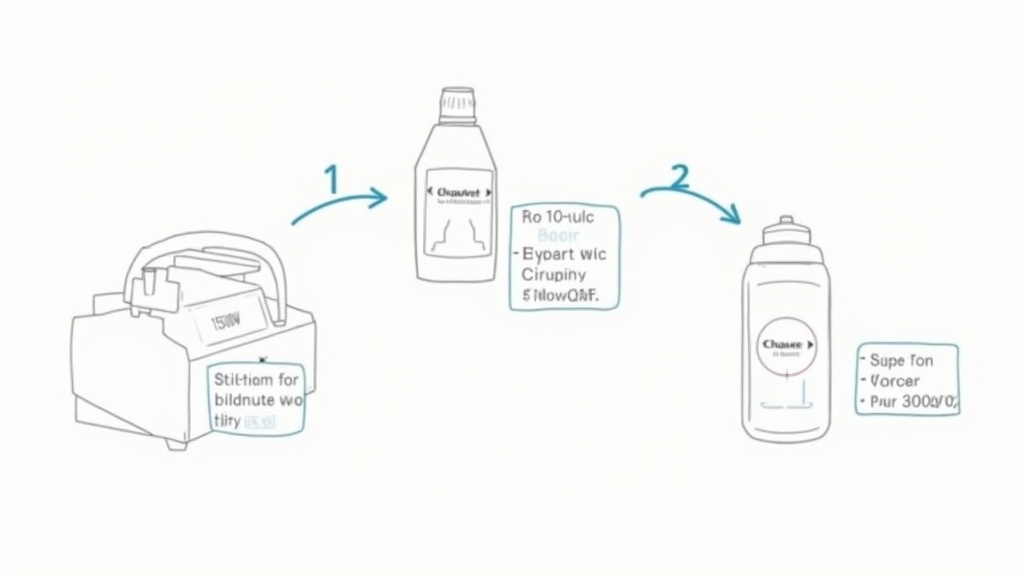
This is where people panic. They have a machine and a sea of bottle options. Follow this sequence.
- Find Your Machine’s Wattage. This number is on a label on the bottom or back of the unit, and in the manual. It’s usually between 400W and 1500W for consumer/prosumer models.
- Check for Manufacturer Fluid Recommendations. Some brands, like Chauvet or ADJ, have their own branded fluid. Using it is a safe bet. If they don’t, note any restrictions like “water-based only.”
- Cross-Reference with Fluid Specifications. Look at the fluid bottle’s label or online description. It will say something like “For use in fog machines 400W and up” or “Optimized for 1000W-1500W machines.” This is your primary filter.
- Select Your Effect Type. Now apply the effect filter from the table earlier. Need ground fog? You’ve just narrowed the field to low-lying fluids compatible with your wattage.
I once ignored the wattage match for a quick gig. I put a fluid rated for “800W+” into a 1500W Martin Magnum. The fog looked great for the first 15 minutes. Then the machine started overheating and shutting down. I spent the second half of the night with no fog. The thermostat was cycling trying to handle a fluid vaporizing too fast. Now I match first, ask questions later.
If you’re ever in doubt, the Pro Tool Picks fog machine fluid guide offers a solid, spec-focused comparison that can help confirm your choice.
Fog Fluid Safety and Maintenance Truths
The fluid doesn’t stop mattering once the bottle is empty. How you store it and your machine dictates your next repair bill.
Storage: Why Bottles Matter More Than Tanks
Never leave fluid in your fog machine’s tank for long-term storage. The tank is not airtight. Humidity from the air gets in, condenses, and dilutes the fluid. More critically, it introduces microbes. Fog fluid is mostly water and organic compounds (glycol), it’s a growth medium.
Common mistake: Storing a fog machine with half a tank of fluid over the summer, by fall, the fluid line is clogged with a dark, syrupy biofilm that requires a full teardown to clean.
Always pour unused fluid back into its original, sealed container. Store containers in a cool, dark place like a closet shelf. This preserves the fluid shelf life for up to two years. If you see cloudiness, floating particles, or an off smell, discard it. That’s growth.
The DIY Fog Fluid Trap
You’ll see recipes online: distilled water and glycerin from the pharmacy. It seems simple. Don’t do it.
The glycerin you buy at a drugstore is not the pharmaceutical-grade, consistently refined chemical used in professional fluids. Its viscosity and purity vary wildly. This unpredictable mixture vaporizes inconsistently. At best, you get weak fog. At worst, the glycerin caramelizes on the scorching hot heat exchanger block. That caramelized gunk is nearly impossible to remove and permanently reduces heating efficiency. The cost of a new heating block is ten times the savings from a gallon of DIY mix.
Stick with purpose-built fluids from companies that control their chemistry. Your machine’s internals will thank you. For a deeper dive into the risks, our article on DIY fog fluid explains the chemistry behind why it’s a bad bet.
Frequently Asked Questions
What is the difference between fog fluid and haze fluid?
Fog fluid creates a visible cloud of condensed droplets for atmospheric effect. Haze fluid produces an ultra-fine mist of microscopic particles that remains suspended almost invisibly for a long time, specifically designed to make light beams visible in air. They are not interchangeable; using haze fluid in a standard fog machine will yield little to no visible output.
Can I use any brand of fluid in my fog machine?
You can use any brand that is compatible with your machine’s wattage and type (water-based vs. oil-based). Always check your manual first. Using the wrong type can void warranties and cause damage. Our fog fluid guide can help you navigate the different fluid types.
How long does a gallon of fog machine fluid last?
It depends entirely on your machine’s output rate and how you use it. A typical 400W machine might use 1-2 ounces per minute of continuous fog. A gallon (128 ounces) could last anywhere from one long event to several smaller ones. High-output machines consume fluid much faster.
Is fog machine fluid safe to breathe?
Modern, reputable water-based fog fluids made with non-toxic ingredients are generally considered safe for occasional exposure in well-ventilated areas, as used in entertainment. However, individuals with asthma or severe respiratory conditions should exercise caution and avoid direct, prolonged inhalation. Always review the manufacturer’s fluid safety information for specific product details.
Why is my fog machine not producing fog even with fluid?
The most common culprit is a clog, often from using old, degraded fluid or the wrong fluid type. The pump or the small nozzle leading to the heat exchanger can get blocked. Second, check that the heating element is working, you should feel the machine get very hot. If it’s cold, the thermostat or heater may have failed, sometimes due to residue buildup from low-quality fluid.
The Bottom Line
Stop thinking of fog fluid as a generic commodity. It’s a precision chemical fuel for your machine. The right fuel makes everything work. The wrong one breaks it.
Start with your machine’s manual and its wattage. That’s your non-negotiable filter. Then decide on the effect: thick and hanging, low and crawling, or a subtle haze. That points you to a fluid type. Finally, pick a tier, premium for critical gigs, value for high-volume work. Brands like FogWorx, Froggy’s Fog, and Master FX have earned their reputations in dark rooms and on sticky floors.
Your fog machine is only as good as the fluid you put in it. Buy the good stuff. Store it right. Your next effect will be perfect, and your machine will be ready for the one after that.