What is a Microfogger? The Portable Fog Device Explained
This post contains affiliate links. As an Amazon Associate, we earn from qualifying purchases.
A microfogger is a compact, often battery-powered device that generates a fine mist of microscopic droplets to create fog. The term covers three distinct machines: a pocket-sized special effects unit, a handheld thermal fogger for pest control, and an electric ULV (Ultra-Low Volume) fogger for disinfection.
People get this wrong because they hear “microfogger” and picture only the tiny party gadget. That misses the industrial-grade handheld thermal foggers and the hospital-grade ULV disinfectors that also carry the name. The confusion costs you the right machine for your job.
This guide maps out all three. You’ll learn their specs, how they work, where each one wins, and the hard rules for using them safely.
Key Takeaways
- The label “microfogger” applies to three different devices: a pocket-sized effects machine, a handheld thermal fogger, and an electric ULV fogger.
- Droplet size is the deciding factor. Under 20 microns creates a dry, floating fog for effects or area coverage. Over 20 microns produces a wetter mist that settles for disinfection or pest treatment.
- Only use fluids approved for your specific machine. Non-toxic glycerin-alternative for pocket models, oil-based formulations for thermal foggers, water-based chemicals for ULV foggers.
- Industrial-grade thermal and ULV foggers have critical safety features like automatic emergency cut-off valves. Consumer pocket models rely on programmable timers to prevent burnout.
- The fog emitter in a pocket microfogger lasts about 500 hours. Clean the metal nozzle after every use to maintain consistent output.
The Three Types of Microfoggers
You’re not picking one machine. You’re picking from three categories that share a name but solve different problems. The pocket model fits in your hand. The handheld thermal unit straps over your shoulder. The ULV fogger sits on a cart or a table.
Common mistake: Buying a pocket microfogger for mosquito control, the output volume is too low, the fluid isn’t insecticide, and the motor burns out within two weeks of daily use.
TL;DR: Pocket for portable effects, handheld thermal for outdoor pest control, ULV for indoor disinfection. Mixing categories breaks the machine.
Pocket-Sized Special Effects Microfogger
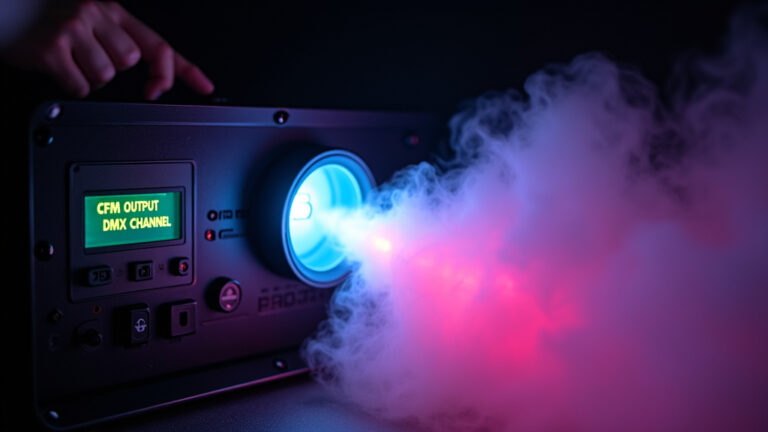
This is the device most people search for. It weighs about 0.3 kilograms, runs on a rechargeable battery, and has a built-in screen for setting fog speed and density. A wireless remote usually comes in the box.
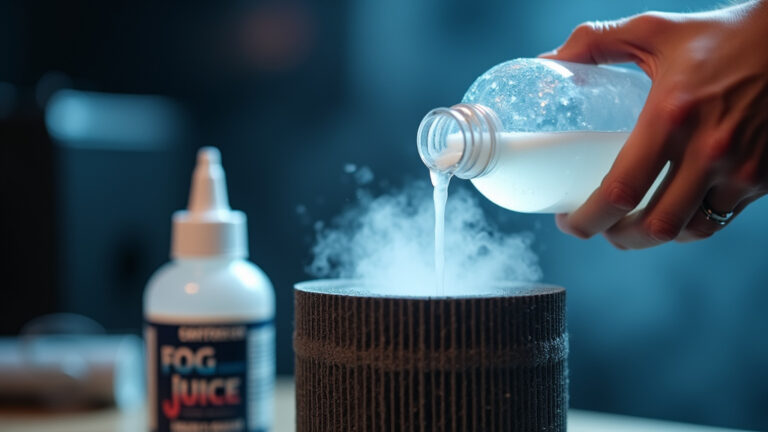
The fog emitter inside these units lasts up to 500 hours. You refill them with a dropper bottle of non-toxic fluid, often a glycerin alternative. They can run for about four minutes per session, with adjustable power from 12W to 80W. The goal is a discreet, portable fog source for photo shoots, small stage effects, or Halloween props.
I used a generic pocket model for a weekly themed pub night. After two months, the emitter clogged because I used a cheaper, thicker fluid than the manual specified. The fog output dropped to a weak sputter, and the replacement emitter cost more than the original device. Now I stick with the manufacturer’s fluid and clean the nozzle with isopropyl alcohol after every third use.
Handheld Thermal Fogger
This is a commercial pest control fogger. Brands like Microfog market these as high-output, lightweight units for mosquito control, agriculture, and public health. They use heat to vaporize a fogging solution, creating particles between 0.5 and 10 microns.
These machines have an automatic emergency solution cut-off valve. If the pump fails or the temperature spikes, the valve closes to prevent chemical discharge. They work with both water and oil-based formulations, producing a high volume of fog for large outdoor areas. You’ll see them strapped to an operator’s back or carried by handle.
| Feature | Pocket Microfogger | Handheld Thermal Fogger |
|---|---|---|
| Primary Use | Special effects, small spaces | Mosquito control, agriculture, large-area treatment |
| Power Source | Rechargeable battery | Gasoline engine or electric motor |
| Fog Mechanism | Cold fog (vibration/pressure) | Thermal (heat vaporization) |
| Droplet Size | 5-20 microns | 0.5-10 microns |
| Key Safety Feature | Programmable timer | Automatic emergency cut-off valve |
Electric ULV Fogger (Microfog Mini)
The Microgen Microfog Mini represents this category. It’s an electric aerosol applicator for in-process disinfection in hospitals, hotels, and commercial spaces. ULV stands for Ultra-Low Volume.
These foggers use cold technology, either ultrasonic vibrations or high air pressure, to atomize liquid into droplets typically between 5 and 20 microns. They are compatible with a wider range of chemicals than thermal foggers, especially water-based disinfectants. The fog is dry and drifts into hard-to-reach spots, covering large indoor areas efficiently.
They come in portable sizes for room-by-room treatment or industrial cart-mounted units for warehouse disinfection. For indoor pest control, a safe indoor fogger like this is preferable to a thermal unit because it doesn’t heat chemicals, reducing fumes.
How Does a Microfogger Work?
The mechanism splits into two families: cold fogging and thermal fogging. Cold fogging uses mechanical force to shear liquid into tiny droplets. Thermal fogging uses heat to vaporize liquid, which then condenses into fog as it hits cooler air.
A microfogger creates fog by atomizing a liquid solution into microscopic droplets. Pocket models and ULV foggers use cold fogging through vibration or pressurized air. Handheld thermal foggers use a heating coil to vaporize the solution, which condenses upon exit into a fine mist.
Cold fogging is quieter and safer for indoor use. Thermal fogging produces smaller particles and is more effective for outdoor insecticide penetration. Your choice dictates the chemicals you can use and the environment you can fog.
TL;DR: Cold fog = mechanical atomization, wider chemical compatibility, indoor-safe. Thermal fog = heat vaporization, smaller particles, outdoor pest control.
The Cold Fogging Process (Pocket & ULV)
Inside a pocket microfogger, a pump pushes fluid to a metal nozzle. An emitter, often a piezoelectric vibrating element, agitates the liquid stream, breaking it into droplets between 5 and 20 microns. The machine’s power setting adjusts the pump speed, changing droplet density and fog thickness.
ULV foggers work similarly but on a larger scale. They use a high-volume air pump at low pressure to blast the liquid through a specialized nozzle. The shear force creates the droplet spectrum. Because no heat is involved, you can use sensitive chemicals like hydrogen peroxide or quaternary ammonium compounds.
The advantage is consistency. The droplet size is controlled by the nozzle design and air pressure, not by temperature fluctuations. That’s why ULV foggers are preferred for precise disinfection protocols where droplet size affects coverage.
The Thermal Fogging Process (Handheld)
A handheld thermal fogger has a combustion chamber or heating coil. The fogging solution, usually an oil-based insecticide, is injected into this hot zone. It vaporizes instantly. The vapor mixes with air and exits the exhaust nozzle. Upon hitting the cooler ambient air, it condenses into a fog of extremely fine particles (0.5-10 microns).
The heat gives two benefits. First, the particle size is smaller than cold fogging, so the fog penetrates foliage and insect hiding places more effectively. Second, the vaporization process can make certain oil-based insecticides more stable and less likely to settle out quickly.
The risk is the heat. It limits chemical compatibility. Many water-based disinfectants would degrade or create unsafe fumes. That’s why thermal foggers are almost exclusively for outdoor pest control with specific insecticide concentrates.
Droplet Size: The Deciding Factor for Application
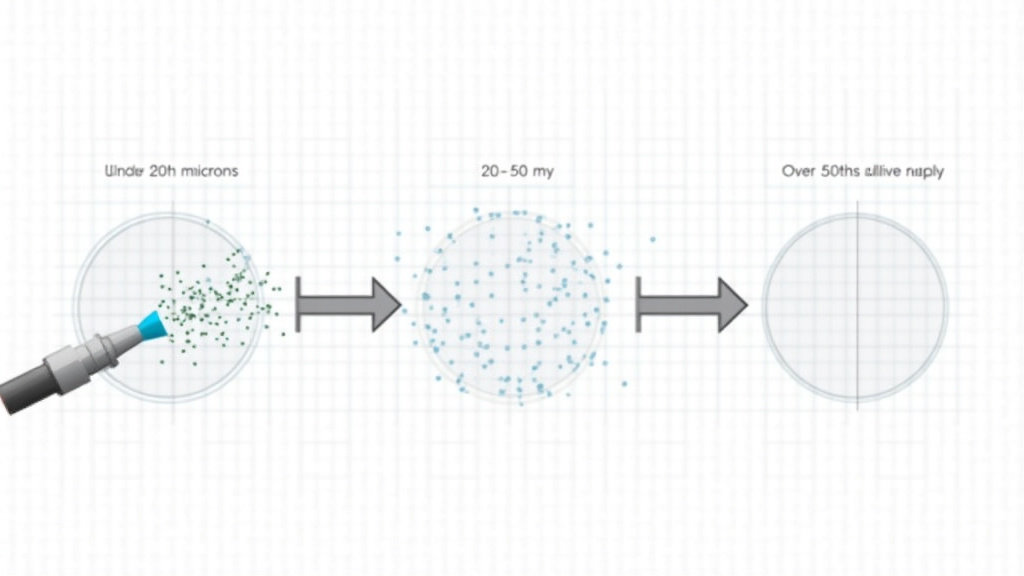
The number printed on the spec sheet, 5 microns, 20 microns, 50 microns, is the single most important metric. It tells you how the fog will behave. Smaller droplets float. Larger droplets fall.
| Droplet Size Range | Fog Behavior | Best Application |
|---|---|---|
| Under 20 microns | “Dry” fog, drifts long distances, settles slowly, minimal surface wetting | Special effects, area-wide disinfection, mosquito control in open areas |
| 20–50 microns | “Wet” fog, settles within minutes, leaves visible moisture on surfaces | Mold remediation, targeted pesticide application, humidification |
| Over 50 microns | Mist or spray, settles immediately, wets surfaces heavily | Cooling systems, agricultural wetting, direct chemical application |
For a pocket microfogger used at a wedding photo shoot, you want droplets under 20 microns. The fog hangs in the air around the couple without dripping onto their clothes. For a commercial mosquito fogger treating a backyard, the same small droplet size lets the insecticide drift through the vegetation.
If you’re disinfecting a hospital room with a ULV fogger, droplets between 5 and 20 microns will float into every corner, including under beds and behind curtains. A droplet size over 20 microns would settle too fast, missing the upper airspace and possibly wetting sensitive electronics.
Common mistake: Using a high-pressure fog system designed for cooling (droplets under 10 microns) for mold remediation, the fog evaporates before it contacts the moldy surface, leaving the treatment ineffective.
What Can You Use a Microfogger For?
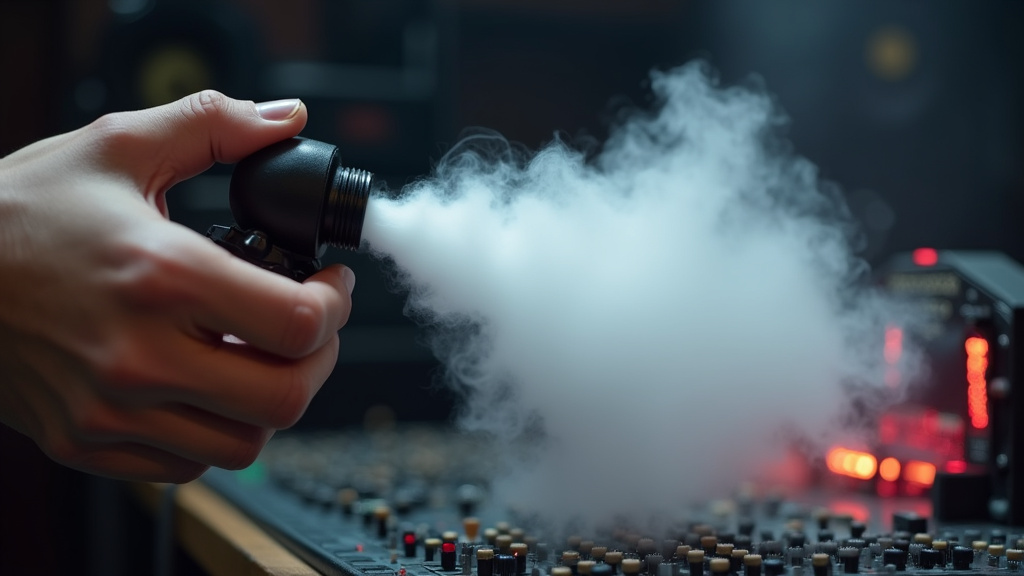
The application list is longer than you think. It stretches from party tricks to public health.
- Portable Special Effects: The pocket microfogger’s main role. Use it for photography, video shoots, small theatrical stages, haunted houses, and event ambiance. The wireless remote lets you trigger fog from a distance.
- Mosquito and Pest Control: This is the domain of thermal foggers. They deliver insecticides over lawns, parks, agricultural fields, and vector control zones. The fine particle size penetrates insect habitats.
- Disinfection and Sanitation: ULV foggers like the Microfog Mini are built for this. They disperse disinfectants in healthcare facilities, schools, food processing areas, and public transportation. The dry fog covers complex geometries.
- Mold Remediation: Larger droplet foggers (20-50 microns) apply fungicides and anti-mold agents to contaminated surfaces. The fog settles onto the mold, providing contact time.
- Humidification and Cooling: Industrial high-pressure fog systems create droplets so fine they evaporate instantly, cooling the air. This is used in greenhouses, warehouses, and outdoor event spaces. Low-pressure systems with larger droplets are for humidification only.
Your choice of fogging machine models should start with this list. Pick the category that matches your primary task, then narrow down by brand and specs.
Safety and Maintenance: The Rules Everyone Skips
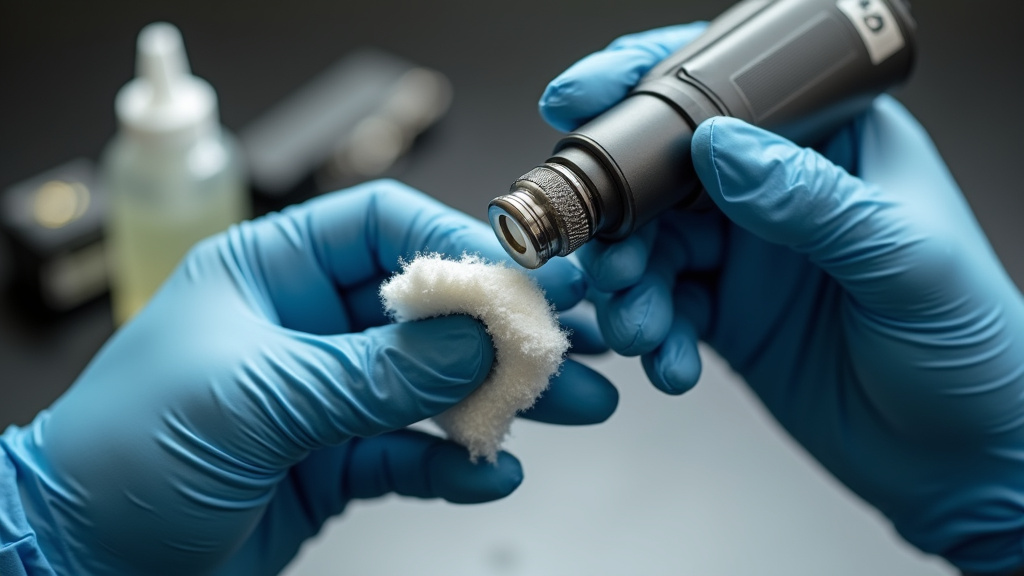
The manual has these rules. Nobody reads them. Then the machine fails.
Before you start: Fogging solutions can be toxic or corrosive. Wear appropriate PPE, gloves, mask, goggles, when handling chemicals. Thermal foggers produce hot exhaust; do not point them at people or flammable materials. Always operate in a ventilated area.
Fluid Compatibility is Absolute
Only use the fluid specified for your machine. Pocket microfoggers need non-toxic, glycerin-alternative special effects fluid. Thermal foggers require oil-based insecticides formulated for thermal vaporization. ULV foggers accept water-based disinfectants and some chemical fogging solutions.
Putting the wrong fluid in a pocket model gums up the emitter and nozzle. The residue builds up after three or four misfills, and the unit stops producing fog altogether. In a thermal fogger, a water-based fluid can cause corrosion in the heating chamber and may not vaporize correctly, leading to sputtering output and potential engine damage.
Runtime and Refill Limits
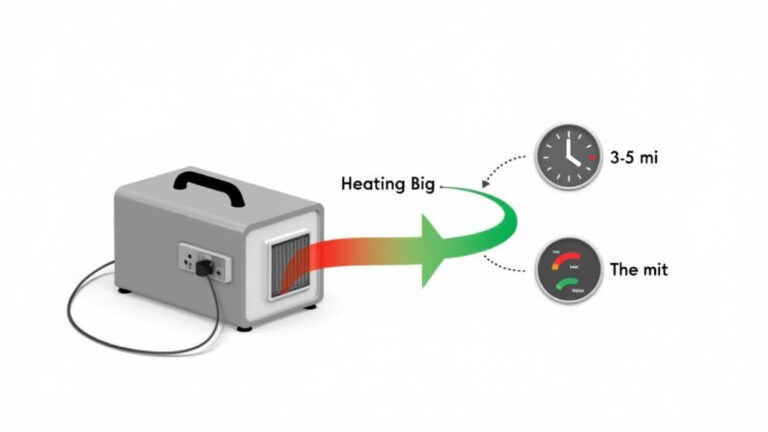
Pocket microfoggers have a finite runtime, usually around four minutes on high power. They also have a programmable timer to prevent overheating. Ignoring that timer and running consecutive cycles burns out the pump motor. Let the unit cool for at least five minutes between sessions.
Handheld thermal foggers have continuous run capability, but they need refilling at intervals marked on the tank. Running them dry risks overheating the heating element. The automatic emergency cut-off valve is a safety backup, not a convenience feature.
Cleaning and Longevity
Clean the metal nozzle after every use, especially if you used a chemical solution. For pocket models, use isopropyl alcohol and a soft cloth. For thermal and ULV foggers, flush the nozzle with clean water or a manufacturer-recommended cleaner.
The fog emitter in a pocket microfogger has a lifespan of about 500 hours. After that, the output weakens and becomes inconsistent. Replacement emitters are available, but installing them requires disassembling the unit, a job best done with a precision screwdriver set.
For heavy-duty foggers, the pump and nozzle assembly are the wear points. Inspect them monthly for cracks or debris buildup. A clogged nozzle on a thermal fogger increases back-pressure and can trigger the emergency valve prematurely.
Pocket vs. Thermal vs. ULV: When to Choose Each
This isn’t a subtle preference. It’s a match between your need and the machine’s design.
- Choose a Pocket Microfogger when: You need portable, battery-operated fog for special effects in small spaces. You want wireless remote control and adjustable density. Your fluid is non-toxic and safe for indoor use. You prioritize discretion and ease of carry.
- Choose a Handheld Thermal Fogger when: You are doing outdoor mosquito control, agricultural pest treatment, or large-area vector management. You need high output volume and very fine particle penetration. You are using oil-based insecticides. You accept the noise and exhaust heat of a gasoline or electric motor.
- Choose a ULV Fogger when: Your task is indoor disinfection, sanitation, or cold fog pest control in enclosed spaces. You need compatibility with water-based chemicals. You want a dry fog that drifts into complex spaces. You prefer electric operation without heat.
The price ranges reflect the capability. Pocket models are consumer gadgets. Thermal and ULV foggers are professional tools. Investing in a professional pest fogger for a one-time party event is a waste. Using a pocket model for weekly farm pest control burns money on replacements.
Frequently Asked Questions
How long does a pocket microfogger battery last?
full charge typically supports up to four minutes of continuous fog output at high power. At lower density settings, you might get six or seven minutes. The battery is rechargeable via USB, and a full charge takes about two hours. Leaving the unit plugged in after the battery is full can degrade battery lifespan over months.
Can I use regular fog machine fluid in a microfogger?
No. Pocket microfoggers require a specific non-toxic, glycerin-alternative fluid that is thinner and formulated for their small pump and nozzle. Regular fog machine fluid is thicker and can clog the emitter. For thermal and ULV foggers, you must use the chemical formulations designed for those machines, oil-based for thermal, water-based for ULV.
What’s the difference between a microfogger and a regular fog machine?
regular fog machine is larger, uses a heating element to vaporize fluid, and produces a high-volume, dense fog for stage effects. A microfogger is smaller, often uses cold fogging, and emphasizes portability and finer droplet control. The term “microfogger” also encompasses handheld thermal foggers and ULV foggers, which are specialized for pest control and disinfection, not entertainment.
Are microfoggers safe for indoor use?
Pocket microfoggers and ULV foggers are safe for indoor use with their approved fluids. Pocket models use non-toxic fluid. ULV foggers use disinfectants that are safe when applied correctly. Handheld thermal foggers are not safe for indoor use due to hot exhaust, fumes, and the chemical formulations they require.
How do I clean a microfogger nozzle?
For pocket models, use a few drops of isopropyl alcohol on a soft cloth and wipe the metal nozzle exterior. Do not pour liquid into the nozzle. For thermal and ULV foggers, follow the manufacturer’s flush procedure, usually running clean water or a specific cleaner through the system after the chemical tank is emptied. Never let chemical residue dry inside the nozzle.
The Bottom Line
A microfogger isn’t one thing. It’s a portable special effects gadget, a handheld pest control tool, and an electric disinfection unit all sharing a name. Your first decision is which category matches your job.
Droplet size dictates everything. Under 20 microns for floating fog. Over 20 microns for settling mist. Match that number to your application, effects, pest control, or disinfection.
Fluid compatibility is non-negotiable. Wrong fluid breaks the machine within weeks. Use only the specified formulation for your device type.
Maintenance is simple but mandatory. Clean the nozzle after use. Respect the runtime and refill limits. The emitter in a pocket model lasts 500 hours; plan for that replacement.
Pick the machine that fits the task, not the name that sounds cool. That choice saves you money, time, and a lot of frustrated cleanup.