Have you ever been to a party or event where there was a mesmerizing display of bubbles and fog? It adds an extra level of excitement and ambiance to any gathering. If you’ve ever wondered how to recreate that magical effect, then you’re in luck. In this article, I’ll be your guide to bubble fog machines and show you how to bring that enchanting atmosphere to your own events.
Bubble fog machines are the perfect addition to parties, weddings, concerts, and even haunted houses. With the right machine, you can create a stunning visual display that will leave your guests in awe. Whether you’re hosting a small gathering or a large-scale event, a bubble fog machine can elevate the experience and make it unforgettable.
In this guide, I’ll walk you through the different types of bubble fog machines available, their features and capabilities, and provide you with tips on how to use them effectively. By the end, you’ll have all the knowledge you need to choose the perfect bubble fog machine for your next event.
The Allure of Smoke Bubble Machines
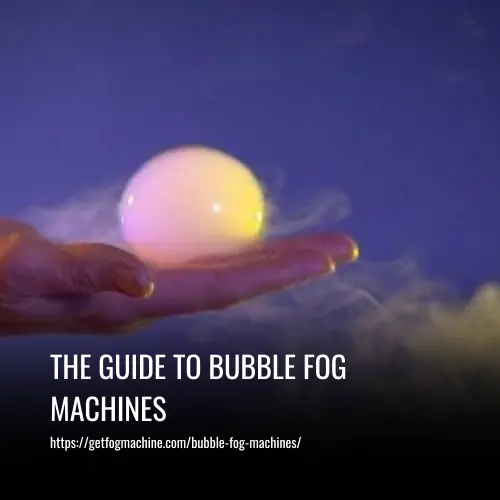
The allure of smoke bubble machines lies in their unique ability to combine the enchanting qualities of bubble machines and fog machines. These devices create bubbles that are filled with smoke, resulting in a mesmerizing visual effect that can elevate any party or event. Here are a few reasons why you should consider incorporating a smoke bubble machine into your party toolkit:
1. Distinctive Visual Charm:
Smoke bubbles possess a captivating beauty that adds a touch of whimsy to any occasion. Watching these bubbles filled with smoke float through the air and burst upon contact with a surface is truly mesmerizing. They create a magical ambiance that can instantly captivate and delight your guests.
2. Adaptable:
Smoke bubble machines are incredibly versatile and can enhance a wide range of events. Whether you are celebrating a birthday, hosting a wedding, or throwing a Halloween party, smoke bubbles can add a unique and engaging element to the atmosphere. They can be tailored to suit different themes and aesthetics, making them a fantastic addition to any celebration.
3. User-friendly:
One of the main advantages of smoke bubble machines is their ease of use. They are typically straightforward to set up and operate, requiring minimal maintenance. This means that even if you are not experienced with party equipment, you can easily incorporate a smoke bubble machine into your event without any hassle.
How Smoke Bubble Machines Work
Smoke bubble machines are a unique combination of bubble and fog machines, combining two popular effects into one captivating display. The key to their functioning is a liquid mixture that is put inside the machine.
- Fill the machine: The first step in creating smoke-filled bubbles is to fill the smoke bubble machine with a combination of fog fluid and bubble solution. Both of these substances are crucial in the creation of these fascinating bubbles.
- Heat the fog fluid: Once the machine is filled, it heats the fog fluid. This heating process transforms the fog fluid into smoke. The heat helps to vaporize the fluid, turning it into a mist-like substance that will later fill the bubbles.
- Blow smoke into the bubble solution: The machine also contains a fan that blows the smoke into the bubble solution. As the fan blows the smoke, it mixes with the bubble solution, resulting in smoke-filled bubbles. This combination creates a unique and mesmerizing effect.
- Release the bubbles: After the smoke-filled bubbles are formed, they are released into the air. These bubbles float around until they eventually pop, releasing the smoke inside. This is when the enchanting effects of the smoke-filled bubbles are truly displayed.
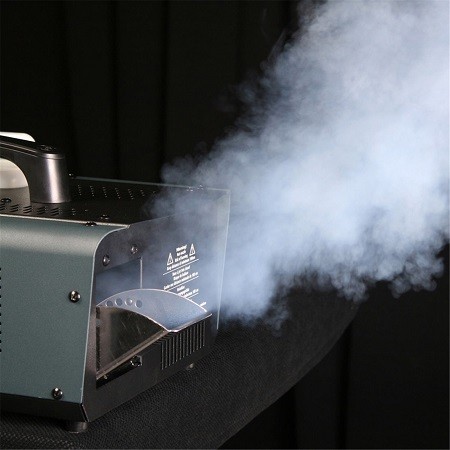
Choosing the Right Fog or Bubble Machine
When choosing a fog or bubble machine, there are several factors to consider. First, take into account the budget and overall costs of the machines. However, it is equally important to consider the size, weight, and portability of the machine. This will determine how easy it is to transport and set up the machine.
Next, consider the warm-up time and maximum coverage area of the machine. A shorter warm-up time is desirable as it allows for quicker usage. The coverage area is important as it determines how much space can be filled with fog or bubbles.
Other features to look for include a remote control, fuse protection, and the type of warranty offered. A remote control allows for easy operation from a distance. Fuse protection ensures the safety of the machine. A warranty provides assurance of its quality and durability.
Additionally, consider the type of fog or bubble juice required by the machine. It is crucial to ensure compatibility between the machine and the liquid. Also, opt for non-toxic liquid, especially if the machine will be used in enclosed areas.
Professional Bubbles Machines vs. Kids Bubble Machines
Professional bubble machines and kid’s bubble machines operate on the same principle but differ in scale and purpose. Kids’ bubble machines are typically sold in toy stores or party supply stores, while professional bubble machines may be harder to source.
Kids bubble machines are designed to provide a fun activity for children to enjoy. They usually have a limited capacity to produce bubbles and are suitable for small-scale events or recreational use. These machines often come in vibrant and playful designs to engage young users.
On the other hand, professional bubble machines are designed for large-scale events and offer higher bubble production and quality. They are more powerful and can generate a larger volume of bubbles to cover a larger area. Professional bubble machines are commonly used for stage performances, concerts, weddings, and other events where a captivating display of bubbles is desired.
When choosing between a kid’s bubble machine and a professional bubble machine, consider the intended purpose and event. If it is for a child’s birthday party or a small gathering, a kid’s bubble machine will suffice. For larger events or professional performances, a professional bubble machine is more suitable due to its higher output capacity and superior quality bubbles.
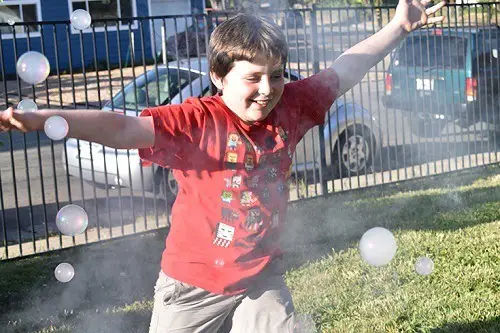
Combination Fog and Bubble Machines
Combination fog and bubble machines are the latest trend in the fog machine market. These machines are designed to create bubbles that are filled with fog, and when these bubbles burst, they disperse the fog vapor around the room, creating a mesmerizing effect.
But these machines offer even more versatility. In addition to creating fog-filled bubbles, they can also produce fog and bubbles separately. This makes them an excellent choice for those who want a wider range of effects and are willing to invest in a more expensive option.
Another option in the market is a combination fog and bubble machine that operates with a black light. Although this doesn’t directly affect the fog and bubbles, it emits a black light that can be particularly useful for Halloween parties. The black light helps make other decorations glow and stand out more, adding to the overall spooky atmosphere.
Making the Right Choice for Your Event
When it comes to choosing the right machine for your event, there are a few factors to consider. Fog machines, haze machines, bubble machines, or a combination of all three, offer an easy way to transform any event into a professionally-staged spectacle.
With recent advancements, fog machines have become more accessible and cost-effective. This means that investing in a fog bubble machine can cover you for the entire year of events. From New Year’s Eve parties to birthdays, discos, dances, and Halloween, these machines provide a versatile and cost-effective solution for event decorations.
Tips and Tricks: Maximizing the Potential of Your Smoke Bubble Machine
To guarantee the best performance from your smoke bubble machine and create a mesmerizing atmosphere at your event, follow these essential tips:
- Use High-Quality Fluids: Invest in top-quality bubble solution and fog fluid. These fluids are specifically designed for smoke bubble machines and will ensure optimal performance. High-quality fluids also help prolong the life of your machine.
- Regular Maintenance: Clean your machine frequently to prevent clogging and ensure smooth operation. Follow the manufacturer’s instructions for cleaning and maintenance. Regular maintenance will help your machine perform at its best and extend its lifespan.
- Monitor Fluid Levels: Keep a close eye on the fluid levels during your event. Running out of bubble solution or fog fluid can interrupt the production of smoke bubbles. Check the levels periodically and refill as needed to ensure a continuous supply.
- Positioning: Position your smoke bubble machine strategically to maximize visibility and impact on your guests. Consider factors such as the size of the venue, the layout of the space, and the desired effect. Place the machine in an area where the smoke bubbles can disperse and create a magical ambiance.
By following these tips and tricks, you can maximize the potential of your smoke bubble machine and create a truly enchanting experience for your guests.
FAQs
How Safe Are Smoke Bubble Machines?
Smoke bubble machines are generally safe when used according to the manufacturer’s guidelines and with the recommended fluids. However, it is important to keep them away from children and pets, as the bubble solution and fog fluid can be harmful if ingested.
Can I Use Any Bubble Solution and Fog Fluid?
It is advisable to use the bubble solution and fog fluid that is recommended by your smoke bubble machine’s manufacturer. Using other solutions or fluids might not produce the desired effect and could potentially damage your machine.
How Can I Create Colored Smoke Bubbles?
To create colored smoke bubbles, you can add a few drops of water-based, non-toxic food coloring to the fog fluid. Make sure to thoroughly mix the food coloring to achieve even color distribution throughout the smoke.
Is the Smoke Produced by Smoke Bubble Machines Harmful?
The smoke generated by most smoke bubble machines is non-toxic and safe for use in controlled environments. However, it is crucial to ensure proper ventilation to prevent discomfort or respiratory issues for your guests, especially those with allergies or asthma.
Conclusion:
Bubble fog machines are not just a fun and exciting addition to any event or party, they are also a source of joy, wonder, and endless entertainment. Whether you’re hosting a birthday celebration, a wedding reception, or simply want to add a touch of magic to your everyday life, a bubble fog machine is the perfect choice.
So go ahead, create a whimsical atmosphere, and let the bubbles and fog transport you to a world of enchantment. Get ready to make memories that will last a lifetime!
Resources: