Understanding Fog Machines: What They Are, Types, and Uses
This post contains affiliate links. As an Amazon Associate, we earn from qualifying purchases.
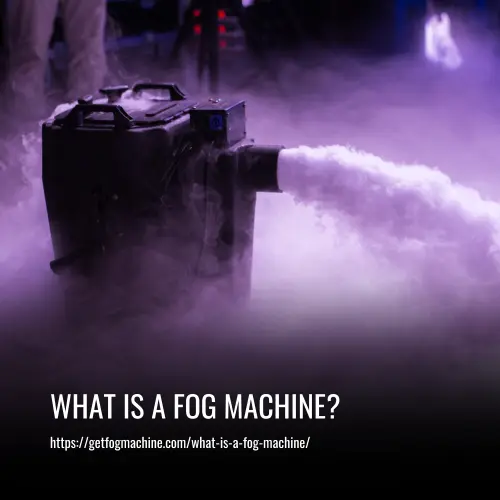
A fog machine is a device that vaporizes a specialized fluid to produce a visible atmospheric effect resembling fog or smoke. The core process involves heating a water and glycol-based “fog juice” in a heat exchanger, forcing the vaporized fluid out through a nozzle where it condenses upon contact with cooler air, creating the dense, white cloud you see.
Most people think a fog machine just makes “smoke.” That misunderstanding leads to using the wrong fluid, expecting the wrong effect, and sometimes causing a minor panic when the output doesn’t behave like they saw in a music video. The real output is condensed vapor, not a combustion byproduct, and its behavior, whether it rises, hangs, or sinks, is a deliberate choice of machine and chemistry.
This guide breaks down the mechanics, the three main machine types, and the non-negotiable safety steps that keep your event atmospheric instead of alarming.
Key Takeaways
- Fog is vapor, not smoke. Heated machines use glycol-based fluid; true low-lying effects require chilling the fog with dry ice, liquid nitrogen, or a dedicated chiller unit.
- Machine type dictates the effect. Heated foggers create dramatic, dissipating clouds. Hazers produce a fine, lingering mist for light beams. Chilled systems make fog that hugs the ground.
- Fluid is not interchangeable. Using the wrong fluid can damage the pump and heating element, create unsafe residue, or simply fail to produce fog. Always match fluid to machine type.
- Ventilation is mandatory, not optional. Even non-toxic fog can trigger respiratory irritation in enclosed spaces and will set off smoke detectors if not managed.
- Maintenance prevents failure. Residual fluid left in the pump and heat exchanger will crystallize, leading to permanent clogs. A distilled water purge after each use is the cheapest insurance.
How Does a Standard Fog Machine Actually Work?
The process is a simple application of phase change physics. A pump, usually a small, durable rotary vane or peristaltic type, draws fluid from the reservoir. It forces this fluid into a metal block called a heat exchanger, which contains a coiled tube and a heating element often rated between 300 and 600 watts.
The heating element brings the heat exchanger block to an operating temperature between 150°C and 200°C (302°F–392°F). As the fluid is pumped through the coiled tube inside this superheated block, it flashes into vapor almost instantly. This high-pressure vapor is then expelled through a nozzle, where it mixes with the cooler room air and condenses into billions of microscopic droplets, forming the visible fog cloud.
The pump’s speed controls the fog output’s density and duration. A faster pump rate means more fluid is vaporized per second, creating a thicker, faster-forming cloud. Most machines have a variable control for this, either via a dial on the unit or through a remote signal.
TL;DR: A pump feeds glycol-fluid into a 150°C+ metal block, vaporizing it instantly; the vapor condenses in cool air to form fog. Pump speed controls thickness.
The Three Main Types of Fog Machines
Your desired effect, a rolling ground cloud, a hazy atmosphere, or a billowing burst, dictates the machine you need. They are not interchangeable.
1. The Heated Fog Machine (Your Standard Workhorse)
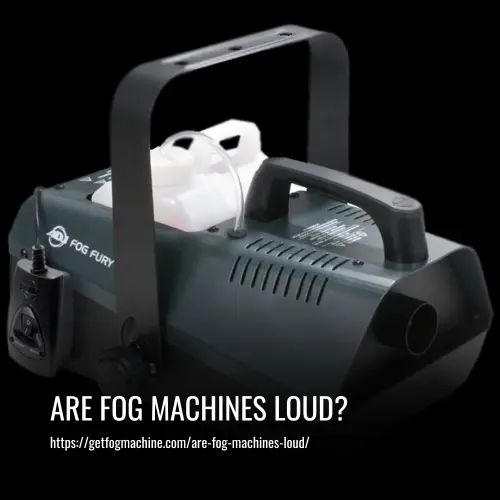
This is the classic model found at Halloween stores and in most DJ rigs. It’s reliable, relatively inexpensive, and produces a dense, opaque cloud that rises with heat and dissipates in a few minutes. Its simplicity is its strength, but that rising action is its limitation for certain effects.
Best for: Halloween parties, small stage reveals, haunted houses, and any application where a general atmospheric “smoke” effect is needed quickly and cheaply.
Limitation: The fog rises due to the heat of the vapor. Creating a low-lying effect requires additional equipment or a different system entirely.
2. The Haze Machine (The Lighting Designer’s Tool)
Hazers are often confused with fog machines, but their output and purpose are distinct. A hazer produces a much finer particle size, creating an almost invisible mist that hangs in the air for extended periods, sometimes over an hour. This suspended particulate matter is what makes laser beams and lighting shafts dramatically visible.
| Aspect | Fog Machine | Haze Machine |
|---|---|---|
| Particle Size | Large, visible droplets | Very fine, near-invisible particles |
| Effect Duration | Dissipates in 2–10 minutes | Lingers for 30–90 minutes |
| Primary Purpose | Create opaque, dramatic clouds | Enhance visibility of lighting in air |
| Typical Fluid | Water & glycol-based | Often water-based or mineral oil |
| Best Application | Theatrical reveals, burst effects | Concerts, clubs, architectural lighting |
Common mistake: Using a fog machine to try and make lighting beams visible, the fog cloud is too dense and short-lived, obscuring the light instead of defining it. You need a hazer’s fine, persistent mist.
3. The Chilled or Low-Lying Fog Machine
When you need fog that creeps along the floor like in a horror movie, you need to chill the vapor. This is achieved through several methods, each with different complexities and safety profiles.
- Dry Ice (Solid CO2): The simplest method. Chunks of dry ice are placed in a container of hot water. The extreme temperature difference (-78.5°C) causes the dry ice to sublimate (turn directly from solid to gas) rapidly, chilling the surrounding water vapor and condensing it into a thick, white fog that stays low because the CO2 is denser than air.
- Safety Note: Dry ice fog is primarily water vapor and CO2. In a very small, unventilated space, the CO2 can displace oxygen. Always use in well-ventilated areas.
- Liquid Nitrogen (LN2): Similar principle, used more in professional settings. LN2 is poured into hot water, vaporizing instantly and creating a massive, dense fog effect. It requires significant safety handling due to its extreme cold (-196°C).
- Dedicated Chiller Units: These are professional systems that pass the output of a standard heated fog machine through a refrigerated coil before it exits the nozzle. This cools the fog droplets, making them heavier so they sink and flow along the ground. This is the most controllable and repeatable method for stage productions.
Choosing the Right Fluid: It’s Not All “Fog Juice”

The fluid is the consumable heart of the system. Using the wrong type is the fastest way to ruin a machine.
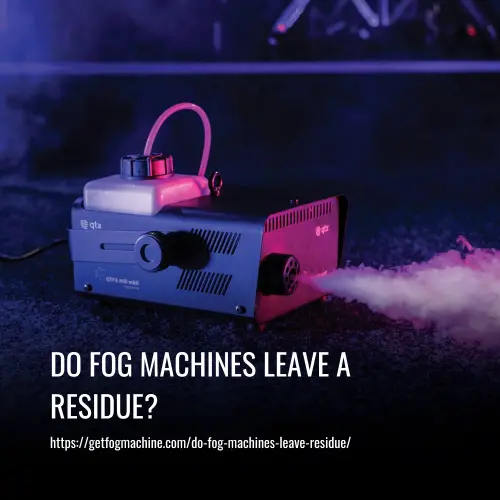
- Glycol-Based Fluids: The standard for heated fog machines. Typically a mix of distilled water, propylene glycol, and sometimes triethylene glycol. The glycols control the evaporation rate and droplet size, creating the classic thick fog. They are generally considered non-toxic but can leave a slight, slick residue.
- Glycerin-Based Fluids: An alternative to glycols. Produces a very dense fog and is popular in the film industry. It can be more expensive and may leave a stickier residue.
- Water-Based / Haze Fluids: Used in many hazers. Formulated to aerosolize into fine particles without the heavier glycols. Using a water-based fluid in a standard heated fogger will likely not produce effective fog and can cause overheating.
- Mineral Oil Fluids: Used in specific types of haze machines (often called “crack oil” hazers). They produce a very fine, long-lasting haze but require machines designed for oil’s different viscosity and combustion point. Never put mineral oil in a glycol-based machine.
I once tried a “generic party fog fluid” in a high-output Chauvet DJ fogger. The fog was thin and smelled like burnt plastic. After three uses, the pump started sticking. I had to disassemble and clean the entire fluid path with isopropyl alcohol, the generic fluid had left a gummy polymer residue that standard glycol fluid doesn’t create. Now I only buy fluids from established effects brands like Froggy’s Fog or Chauvet’s own line.
TL;DR: Match your fluid to your machine type exactly. Glycol for standard foggers, specific formulas for hazers. Off-brand fluids can leave damaging residue.
Essential Safety and Maintenance You Can’t Skip

Fog machines are simple devices, but they combine electricity, heat, and chemicals. Respect that combination.
Before you start: The heating element stays hot enough to burn skin for several minutes after power-off. The fluid pump can be damaged by running dry. The output, while non-toxic, can still trigger asthma or irritate lungs in a sealed room. Always have a fire extinguisher accessible.
The Non-Negotiable Safety Checklist
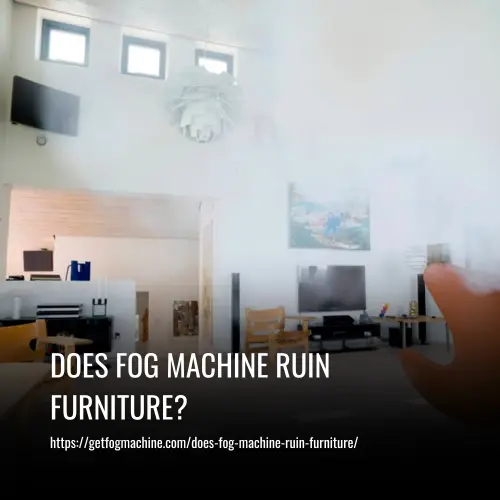
- Ventilation: This is the biggest oversight. Even the best fluids reduce air quality. Use in large halls or with open windows and fans circulating air out.
- Smoke Detectors: Standard ionization and photoelectric smoke detectors will be triggered by fog. You must disable them temporarily (if permitted and safe) or seal them with plastic bags and tape, remembering to remove the covering immediately after.
- Placement: Always place the machine on a stable, level surface. Keep it at least 3 feet away from flammable materials like curtains, paper decorations, and electrical equipment. The exhaust nozzle gets very hot.
- Power: Use a grounded outlet and a surge protector. These machines draw a high initial current when the heater kicks on. Don’t overload the circuit.
- Fluid Handling: Only use fluids intended for atmospheric fog machines. Never use oils, homemade mixtures, or fluids not specified by the manufacturer.
Basic Maintenance That Prevents a $200 Repair
Neglect turns a $100 machine into a paperweight in one season.
- After Every Use: If you’re done for the day, run the machine until the fog output stops. This clears most fluid from the internal lines. For a better clean, fill the reservoir with distilled water (not tap water) and run the machine until it expels clear vapor. This purges residual fluid that would otherwise crystallize and clog the pump or heat exchanger.
- Storage: Store the machine and fluid in a cool, dry place. If storing for more than a month, perform the distilled water purge and let the machine run until no more vapor comes out to ensure the system is dry.
- Clog Diagnosis: If the machine powers on but no fog appears, or the pump makes a straining noise, you likely have a clog. First, try a thorough distilled water cleaning cycle. If that fails, a commercial fog machine cleaning fluid may be needed to dissolve hardened glycol deposits.
Common mistake: Storing a fog machine with fluid in the lines, the residual glycol and water mixture evaporates slowly, leaving behind a hard, sugary crust inside the pump and heat exchanger tube. By spring, the pump is seized solid.
Controlling Your Machine: From Buttons to DMX

You’re not stuck standing next to the machine with your finger on the button.
- Built-in Timer/Interval: Many basic models have dials to set output duration (e.g., 1–10 seconds) and the pause between bursts (e.g., 5–60 seconds). Set it and forget it.
- Wired or Wireless Remote: This is the most common upgrade. A simple remote lets you trigger bursts from across a room or stage. The secondary socket on many machines (often a C14 inlet) is labeled “for remote switch” for this purpose.
- DMX512 Control: The professional standard. DMX allows you to integrate the fogger into a lighting console, programming precise cues alongside lights. You can control output intensity, duration, and even heat-up times from the board. A comprehensive fog machine guide will detail how to address a fog machine on a DMX universe.
What’s the Best Fog Machine for Home Use?
For most people starting out, a medium-output heated fog machine with a wireless remote is the perfect choice. Look for a unit with a 600–1000 watt heater and a tank capacity of at least 1 liter. This provides enough fog for a large living room or backyard without constant refills. Brands like Chauvet, ADJ, and Froggy’s Fog offer reliable entry-level models. The key is to pair it with high-quality fluid from the start; your experience depends as much on the consumable as the hardware. For more detailed comparisons, our review of the best fog machines breaks down specific models for different budgets and uses.
If your primary goal is enhancing party lighting in a dedicated space, a compact hazer might be a better investment. The output is less intrusive but makes all your lights look professional. Remember, the operation of a fog machine for haze is different, often requiring a gentler, continuous output versus bursts.
Frequently Asked Questions
Are fog machines safe to breathe?
Most commercially available glycol- or glycerin-based fog fluids are considered non-toxic when used as directed in well-ventilated areas. However, the particulate matter can irritate respiratory conditions like asthma. Always ensure strong ventilation and avoid directing the output at people’s faces.
What’s the difference between a fog machine and a smoke machine?
Technically, “smoke” implies a product of combustion. Fog machines produce a vapor or aerosol, not smoke. The terms are used interchangeably in entertainment, but the Wikipedia theatrical smoke guide details the important technical and safety distinctions for professional use.
Can I use distilled water instead of fog fluid?
No. Distilled water lacks the glycols that control droplet formation and prevent the water from boiling too violently in the heat exchanger. Running pure water can damage the pump and heating element and will produce very little visible fog.
Why won’t my fog machine make fog anymore?
The most common causes are an empty fluid tank, a clogged pump or nozzle from old crystallized fluid, or a failed heating element. First, check fluid levels. Then, try a cleaning cycle with distilled water or commercial cleaner. If it still doesn’t work, the heating element may have burned out.
How do I make fog stay low to the ground?
You need to chill the fog. The simplest DIY method is using a dry ice setup separate from your fog machine. For integrated, reliable results, you need a dedicated low-lying fog machine or a chiller unit that cools the output of a standard fogger. The physics are covered in the fog machine technical overview.
How long does a bottle of fog juice last?
It depends entirely on your machine’s output rate and how often you use it. A typical 1-liter bottle of fluid in a medium-output machine might provide 30 to 60 minutes of continuous fog output, or hundreds of short bursts. For a deep dive on options, see our guide to selecting fog fluid.
The Bottom Line
A fog machine is a straightforward tool with a clear job: turn fluid into atmosphere. Your success hinges on matching the machine type to your desired effect, heated for clouds, haze for light, chilled for the floor. The fundamentals of fog machines are simple, but the difference between a great effect and a failed one is in the details: the right fluid, mandatory ventilation, and basic post-show maintenance. Start with a quality glycol-based fluid and a machine that has a remote. Learn its rhythms, clean it faithfully, and you’ll have a reliable effect for years of parties, performances, and photos. For using your new machine, follow our dedicated steps for safe fog machine use. And when you’re ready to explore the nuances of different outputs, our comparison of fog juice types will help you fine-tune the look and longevity of your effect.