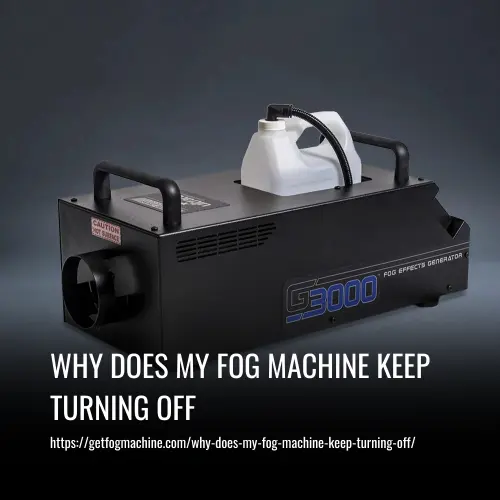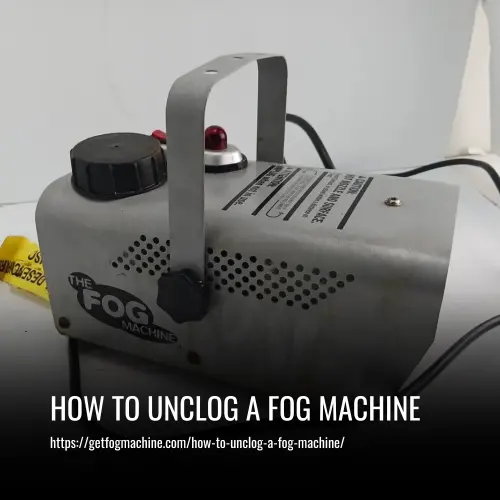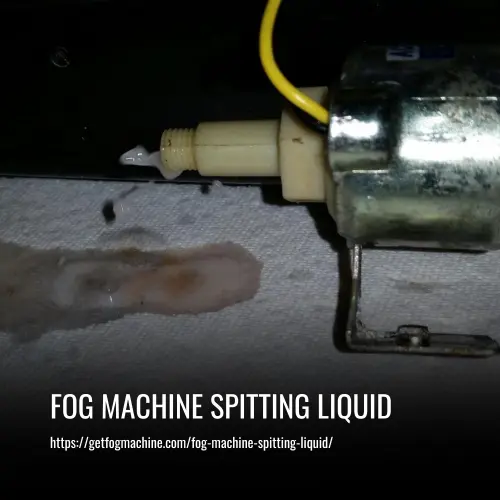
There could be several reasons why your fog machine is not working. Some possible reasons include a clogged nozzle, an empty or low fog fluid tank, a malfunctioning heating element, or a faulty power source.
It is recommended to check these components and troubleshoot accordingly to determine the cause of the issue.
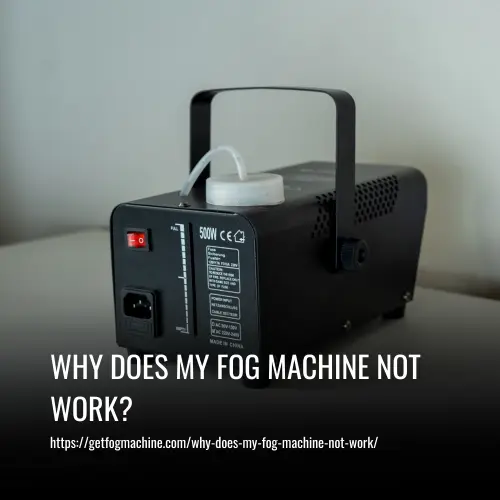
Common Reasons Why Fog Machines Don’t Work
Fog machines are innovative devices that add a captivating atmospheric enhancement to various events and performances. However, there are times when fog machines may not work as expected, leaving users frustrated and wondering why.
Here we will discuss some common reasons why fog machines may not function properly and offer potential solutions to address these issues.
1. Power Source Issues
Power source issues can often be the culprit behind a fog machine not working properly. If the power source is inadequate or faulty, the machine may not operate or produce sufficient fog.
It is crucial to verify the power source, including the outlet and the fog machine’s power cable, to ensure that it is stable and appropriate for the machine’s power requirements. Checking for any loose connections or damaged cables is also important in troubleshooting power-related problems.
2. Pump Motor Problems
Pump motor problems can often be the culprit when it comes to fog machines not working. If the pump motor is not working, it may not be able to draw and push the fog fluid through the machine, resulting in little or no fog output. Common issues with pump motors include clogs in the fluid tubes, worn-out or damaged pump motor parts, or the motor simply not receiving power from the power source.
To fix pump motor problems, try cleaning the fluid tubes with a cleaning solution, checking for any worn-out or damaged parts that may need replacing, and ensuring a proper power connection. If these steps do not solve the issue, it may be necessary to contact a professional for further assistance or consider purchasing a new fog machine.
3. Heating Element Problem
One common reason for a fog machine not working is a heating element problem. The heating element is responsible for heating the fog fluid, turning it into vapor. If the heating element is defective or damaged, it may not heat the fluid properly, resulting in little to no fog output. Additionally, a clogged heating element can also hinder the machine’s performance.
To resolve this issue, you can try cleaning the heating element with white vinegar or a cleaning solution. If the heating element is severely damaged, it may need to be replaced. Make sure to refer to the manufacturer’s instructions and use appropriate caution when working with the heating element.
4. Clogged Fog Machine
One possible reason why your fog machine may not be working is that it could be clogged. Over time, residue from the fog fluid can build up in the machine, obstructing the flow of the fluid and preventing it from generating fog.
To resolve this issue, you can clean the fog machine by using hot water or a cleaning solution specifically designed for fog machines. Disconnect the machine from the power source, remove the fluid tube and pump motor, and rinse them with hot water or the cleaning solution.
You can also use a pipe cleaner or a small brush to clear any clogs in the machine. Remember to clean the fog fluid reservoir and replace it with fresh, high-quality fog juice. Regular cleaning and maintenance will help ensure that your fog machine operates smoothly.
5. Fluid Tube Blockage
If your fog machine is not working, one common issue could be a fluid tube blockage. Over time, residue from fog juice can build up and clog the tube, preventing the fog fluid from reaching the heating element. To solve this problem, you can try cleaning the tube with a cleaning solution specifically designed for fog machines or a mixture of distilled water and white vinegar.
Disconnect the fog machine from its power source and remove the fluid tube. Soak the tube in the cleaning solution for a period of time, then rinse it with hot water. Use a brush or pipe cleaner to remove any stubborn residue.
Afterward, reconnect the tube and refill the fog machine with clean fog fluid. This should help to clear any blockages and get your fog machine working again.
6. Low Fog Fluid Levels
Another common reason why fog machines fail to generate fog is low or empty fog fluid reservoirs. When the fluid level is insufficient, the heat generated by the machine cannot effectively transform the fluid into fog. Checking the fog fluid levels before each use and ensuring an adequate supply is crucial for uninterrupted fog generation.
7. Incorrect Fog Fluid Usage
Using the wrong type of fog fluid for a particular fog machine can result in inefficient fog production. Different fog machines require specific fog fluid compositions to generate the desired effect. It is essential to read the manufacturer’s instructions and select the appropriate fog fluid to ensure optimal performance.
8. Ready Light Malfunction
The ready light on a fog machine may not work for a variety of reasons. One common issue is a malfunctioning heating element, which may need to be replaced. Another factor to consider is the type of fog fluid being used. If the fluid is too thick or has clogged the machine, it can prevent the ready light from turning on.
Cleaning the fluid tube with white vinegar or a cleaning solution can help resolve this issue. Additionally, a faulty pump motor or power source may also prevent the ready light from functioning properly. Checking these components and ensuring they are in working order can help troubleshoot the problem.
9. Extended Periods Of Usage Without Cleaning
Extended periods of usage without cleaning can lead to various issues with fog machines. One common issue is a clogged fog machine, which occurs when the heating element becomes coated with residual fog fluid. This can cause the fog machine to produce little to no fog or may even cause it to stop working altogether.
Additionally, dirt and debris can accumulate in the fluid tube, pump, and other components, leading to decreased performance. To prevent these issues, it is recommended to clean the fog machine regularly by using a cleaning solution or a mixture of distilled water and white vinegar. This will help remove any buildup and ensure the smooth operation of the machine.
Conclusion
There are several reasons why your fog machine may not be working properly. It could be a problem with the heating element, fog fluid, or pump motor. Ensure that you are using the correct type and quantity of fog juice, as using the wrong fluid or not enough can cause issues.
Additionally, check for any clogs in the fluid tube or fog machine pump, as this can restrict the flow of fog. Regular cleaning and maintenance of your fog machine, including using cleaning fluids or white vinegar, can help prevent clogs and extend the lifespan of the machine.
Finally, make sure that you are following the manufacturer’s instructions for operation and troubleshooting. If you are still experiencing issues with your fog machine, it may be necessary to contact the manufacturer or seek professional assistance.