Fog Machine Spitting Liquid: 5 Causes & How to Fix It
This post contains affiliate links. As an Amazon Associate, we earn from qualifying purchases.
A fog machine spitting liquid happens when unvaporized fluid is forced through the nozzle. The fix always involves correcting one of five things: using the wrong fluid type or quality, having a clog in the lines or nozzle, operating with incorrect fluid levels, having a failing pump or leaky seal, or running the machine before it reaches full operating temperature.
People see the wet spray and assume the machine is broken. They start taking it apart or buying a new one. The real problem is usually a simple maintenance step they skipped or a cheap fluid they shouldn’t have used.
This guide walks through each cause with a diagnostic checklist. You will learn how to identify your specific issue, apply the correct fix, and set up a routine to prevent it from happening again.
Key Takeaways
- Fluid is the first suspect. Low-quality or incorrect fluid leaves sticky residue that clogs the heat exchanger and nozzle, causing spitting within a few uses.
- The sound of the pump tells a story. A steady click-click-click means it’s working. A sputtering, gurgling, or silent pump means a clog or a failing seal.
- Never use plain water or homemade glycerin mixes. Water causes mineral scaling on the heating element. Incorrect glycerin ratios create a viscosity the pump can’t handle, leading to immediate spitting.
- Clean with distilled water, not tap water. Run a distilled water flush through a warm machine after every few fluid changes to dissolve soluble glycol residues before they harden.
- Let the machine fully heat up. The ready light is not a suggestion. Firing the fogger before the heat exchanger reaches its setpoint (often 200°C/392°F) guarantees it will spit hot fluid.
The 5 Main Reasons Your Fog Machine Spits Liquid
Head design changes the entire process. Look at the business end of your trimmer.
Spitting is a symptom, not the disease. The disease is always a mismatch between the fluid, the machine’s mechanics, and its heat. You need to match three things: fluid viscosity to pump capability, fluid chemistry to heat-exchanger temperature, and flow rate to vaporization speed. A failure in any one causes liquid ejection.
Here is the breakdown of where that mismatch occurs.
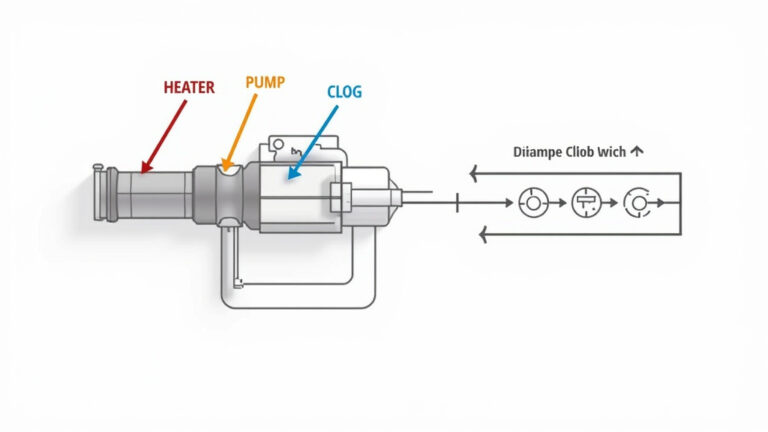
A fog machine’s heat exchanger, typically an aluminum block with a coiled fluid passage, must reach a precise temperature to flash-vaporize the glycol/water mixture. If fluid is pumped through before the block is hot enough, or if the fluid’s vaporization point is higher than the block’s temperature, the liquid passes through unvaporized and is ejected as hot spray.
1. Using the Wrong or Low-Quality Fog Fluid
This is the most common cause by a wide margin. Not all fog juice is the same. Glycol-based fluids (like Rosco’s standard) and glycerin-based fluids have different vaporization temperatures and residue profiles. Using a “universal” fluid in a machine calibrated for a specific type is asking for trouble.
The pump is designed for a certain viscosity. Thick, cheap fluids with poor-quality glycols don’t flow smoothly. They leave a caramelized residue on the heating element after vaporization. That residue builds up, insulates the element, and causes uneven heating. The next time you run the machine, some fluid vaporizes and some doesn’t, the unvaporized part sprays out.
TL;DR: Your machine’s manual specifies a fluid type for a reason. Stray from it and spitting is the first warning.
2. Clogs in the Fluid Path
Residue from poor fluid or mineral deposits from using hard water creates physical blockages. The main choke points are the fluid pickup tube inside the tank, the small-diameter tubing leading to the pump, and the output nozzle.
A partial clog acts like a kink in a garden hose. It restricts flow, causing the pump to work harder. The pressure can force fluid past the heating element before it has time to fully vaporize. You will often hear the pump straining or making an irregular sound.
| Clog Location | Visual/Sound Cue | Result if Ignored |
|---|---|---|
| Pickup Tube / Filter | Machine runs dry quickly; pump sounds hollow | Pump burns out from dry-running within 10-15 cycles |
| Fluid Line | Uneven, sputtering fog output with dry gaps | Line ruptures at weak point, causing fluid leak inside chassis |
| Output Nozzle | Fog comes out in a weak, wet mist instead of a plume | Pressure backs up, overheats pump, and trips thermal cut-off |
3. Incorrect Fluid Levels
Both overfilling and underfilling cause problems. An overfilled tank can allow fluid to be siphoned directly into the air line, bypassing the pump’s metering function. That raw fluid gets blown straight out the nozzle.
An underfilled tank lets the pump draw air into the fluid line. This creates an airlock. The pump’s next stroke then pushes a mix of air and a slug of liquid, causing a violent spit. You will hear a distinct gurgle-spit sound.
Common mistake: Topping off the tank after every use “to be ready”, this guarantees overfill. Condensation from cooling mixes with fresh fluid, diluting it and raising the level past the max mark.
4. Pump Failure or Air Leaks
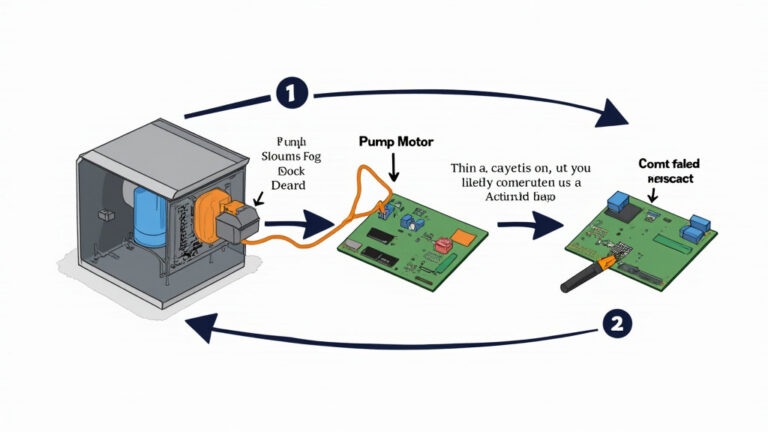
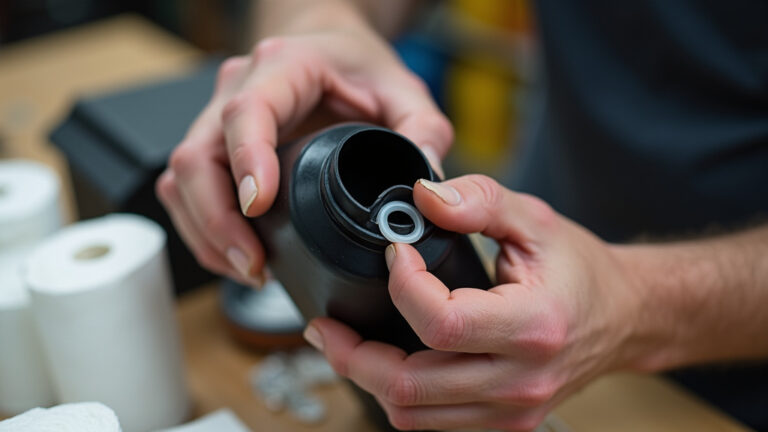
The pump is a small, precise diaphragm pump. Its seals wear out. A cracked seal or loose fitting on the intake side lets air seep in, creating the same airlock issue as underfilling. A failing pump motor loses its prime and can’t generate consistent pressure.
Diagnose this after ruling out clogs and fluid issues. Listen to the pump with the fluid line disconnected. A healthy pump makes a firm, rhythmic clicking. A failing one sounds weak, erratic, or silent. A pump that has run dry due to a clog will often fail.
5. Firing Before Full Heat-Up
Impatience breaks fog machines. The “ready” light indicates the heating element has reached its set temperature. If you hit the fog button the moment the light flickers on, the heat exchanger’s core might still be cooler than the surface sensor reads.
The fluid hits a cooler spot, vaporizes partially, and spits. Wait at least 30 seconds after the light comes on before the first burst. This is especially critical for machines used outdoors in cold weather.
Your Step-by-Step Troubleshooting Checklist
Wind direction decides whether the head feeds or jams.
Do not open the machine until you have run through this list. Seventy percent of spitting problems are solved at step two. The order matters, it goes from easiest and most common to hardest and least common.
- Check the Fluid. Is it the exact type listed in your manual? Is the bottle old or stored in sunlight? Dump any questionable fluid. Poor fluid quality is the root of most other problems.
- Check the Fluid Level. Is it between the MIN and MAX lines? If overfull, siphon some out. If under, fill to the midpoint. Use only fresh, correct fluid from a sealed bottle.
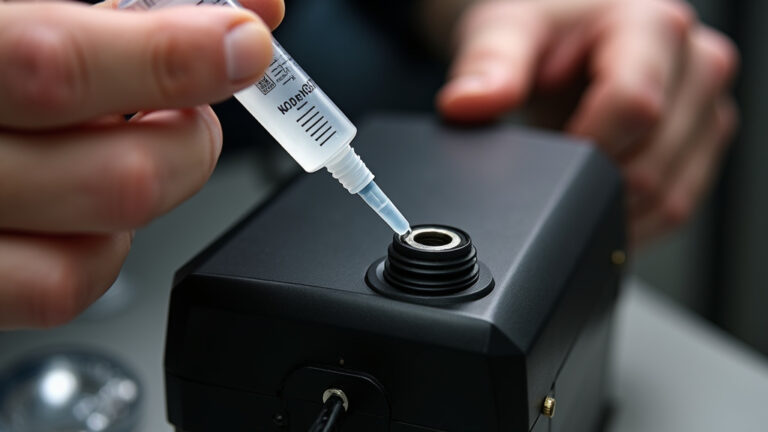
- Perform a Distilled Water Flush. This is your primary cleaning tool. Empty the tank. Fill it with distilled water (never tap). Power on the machine, let it heat fully, and run it until only steam comes out. This dissolves recent glycol residue. Power down, empty completely, and let it cool.
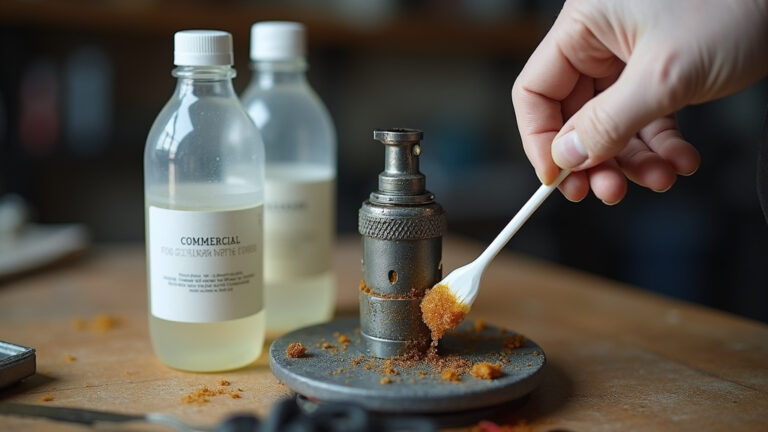
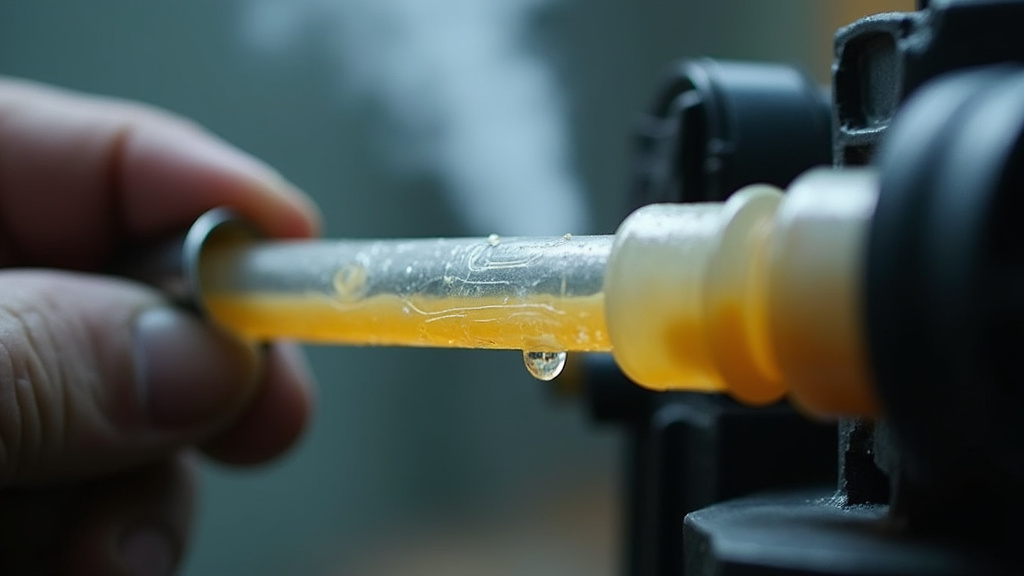
- Inspect the Nozzle and Fluid Line. With the machine off and cool, detach the output nozzle if possible. Look for crusty buildup. Use a soft-bristled brush or a pipe cleaner to gently clear it. Visually check the clear fluid line for debris or discoloration.
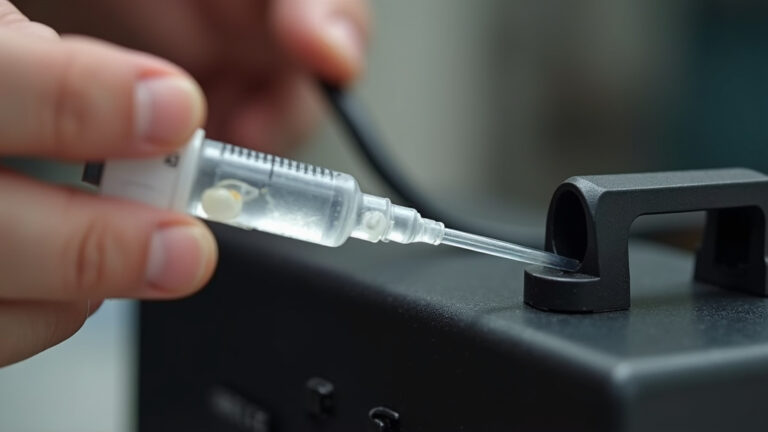
- Listen to the Pump. With fresh fluid in the tank, disconnect the output line at the nozzle. Place the end in a cup. Turn on the machine and activate the fog. You should see a steady stream of fluid pumped into the cup. Listen: a steady click is good. Sputtering means a clog upstream or a bad seal.
TL;DR: Fluid, level, flush, inspect, listen. Follow that sequence before you touch a screwdriver.
How to Clean a Fog Machine That’s Spitting
Cleaning is not about scrubbing. It is about dissolving and flushing. The goal is to remove the hydroscopic residue that glycol leaves behind as it absorbs moisture from the air and recrystallizes inside warm components.
You need two liquids: distilled water and white vinegar. The water is for regular flushing. The vinegar is for descaling and breaking down stubborn, baked-on residues, use it sparingly.
The Regular Distilled Water Flush
Do this after every two or three tanks of fluid, or before storing the machine for more than a month.
Empty the old fluid. Fill the tank one-quarter full with distilled water. Power on and let the machine reach ready temperature. Run the fog output until the tank is empty and you see only steam. Power off, unplug, and leave the cap off to let any internal moisture evaporate.
This simple step prevents most clogs. It costs pennies. People skip it.
The Vinegar Flush Method (A Last Resort)
If a distilled water flush doesn’t stop the spitting, you likely have a mineral scale or hardened residue clog. Vinegar’s acetic acid can dissolve it.
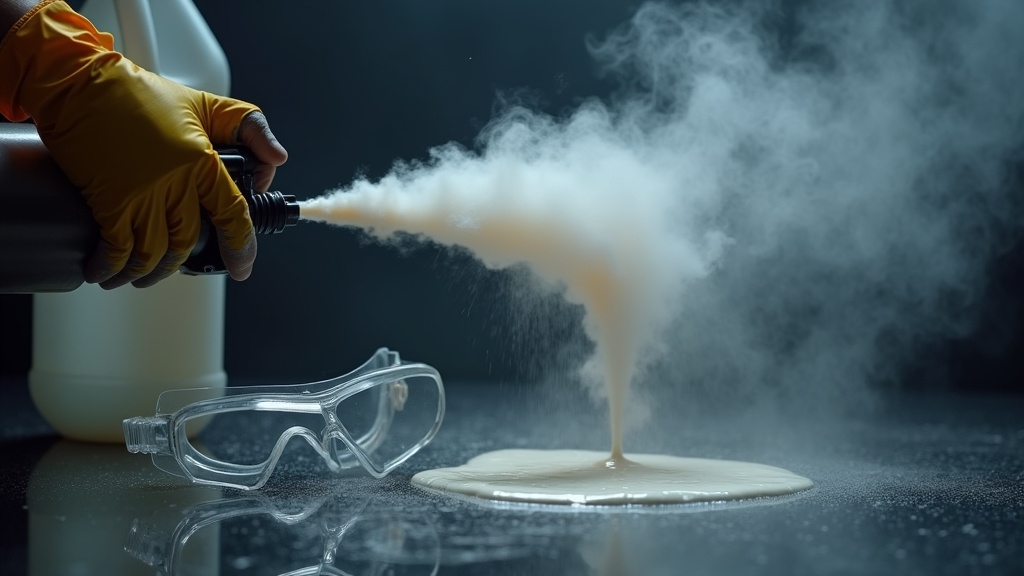
Before you start: Wear safety gloves and goggles. Vinegar fumes are strong. Work in a well-ventilated area. Never use vinegar more than once every six months, as prolonged acid exposure can damage metal fittings.
- Mix a solution of one part white vinegar to three parts distilled water.
- Pour about 100ml into the empty fluid tank.
- Power on the machine and let it heat up fully.
- Activate the fog button in one-second bursts every 30 seconds. Do not hold the button down. You are trying to get the vinegar solution to sit in the heat exchanger and dissolve scale, not vaporize it.
- After 5-6 bursts, power down and let the machine sit for one hour.
- Empty the vinegar solution. Perform two consecutive distilled water flushes to neutralize any remaining acid.
- Dry the tank and run a test with proper fluid.
When to Use Professional Fog Machine Fluid
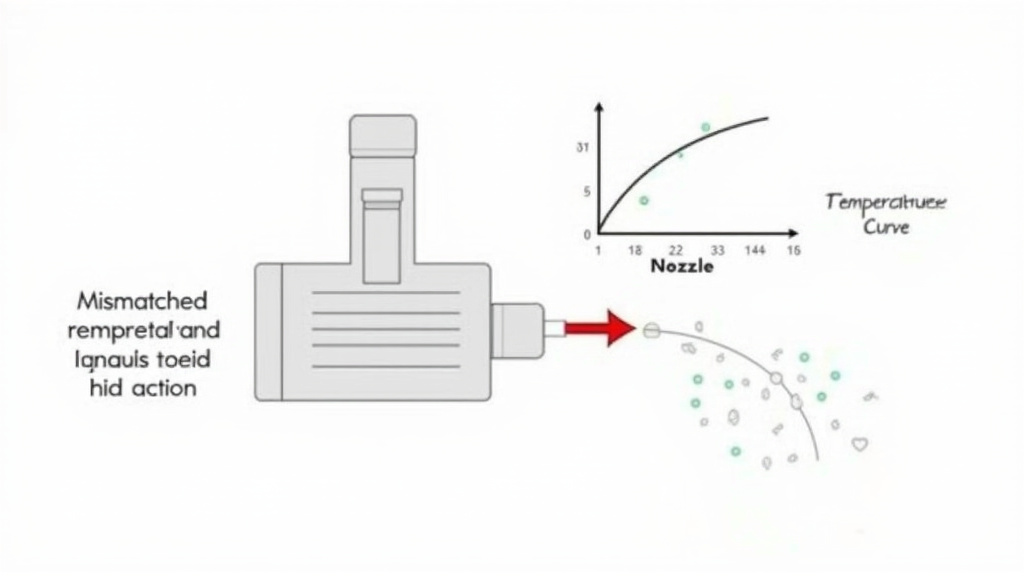
Your choice of fluid dictates everything. Premium fluids from brands like Rosco or Chauvet use deionized water and pharmaceutical-grade glycols. This eliminates mineral scaling and creates a consistent vaporization curve.
The machine’s thermostat is calibrated for that curve. Use a fluid with a different vaporization point, and the temperature is wrong. Too low, and it spits. Too high, and you get a burnt smell and potential heater damage.
Consult a detailed fog fluid guide to understand the differences between haze fluid, standard fog, and low-lying types. For most users, sticking with their machine manufacturer’s own branded fluid is the safest bet for consistent performance and to avoid issues like spitting.
Preventative Maintenance Schedule
A little routine prevents big repairs. This schedule is based on hours of operation, not calendar time.
| Usage Level | After Each Use | Weekly / 10 Hrs | Monthly / 40 Hrs | Storage (>1 Month) |
|---|---|---|---|---|
| Light (Home/Hobby) | Wipe exterior | Check fluid level | Distilled water flush | Empty tank, run dry, store empty |
| Medium (Weekly Events) | Wipe exterior, check nozzle | Distilled water flush | Inspect fluid line for flexibility | Full distilled flush, dry tank, bag machine |
| Heavy (Professional) | Full exterior clean, nozzle check | Distilled flush, pump sound check | Deep visual inspection of all seals and lines | Professional descale service recommended |
The most ignored item is the fluid line. It’s just plastic tubing. Over time, heat and glycol make it brittle. A brittle line cracks and lets in air. Inspect it monthly, if it’s stiff or discolored, replace it. It’s a $2 part that prevents a $50 pump failure.
TL;DR: Flush with distilled water weekly. Inspect the fluid line monthly. Always store the machine with an empty, dry tank.
Frequently Asked Questions
Why is my new fog machine spitting liquid?
New machines often have testing residues or preservative oils in the fluid path from the factory. Before first use, always perform a distilled water flush as outlined in the manual. Also, double-check that you are using the correct fluid, many new users fill it with whatever is on hand.
Can I make my own fog fluid to save money?
You can, but you shouldn’t. Homemade mixes of water and glycerin lack the precise chemistry and deionized base of commercial fluids. The inconsistent viscosity will almost certainly cause pump problems and spitting. The potential for machine damage from mineral deposits or incorrect vaporization points is high. The cost of a pump replacement far outweighs savings on fluid.
Is spitting liquid dangerous?
Yes. The liquid is hot and can cause minor burns or skin irritation. More importantly, spraying unvaporized glycol creates a significant slip hazard on floors. Always operate the machine in a well-ventilated area, direct the nozzle away from people and electrical equipment, and clean any spilled fluid immediately.
How do I know if my pump is broken?
The definitive test is the fluid output test. Disconnect the output line, place it in a cup, and activate the fog. No fluid comes out, but you hear the pump motor running? The pump’s diaphragm is likely torn. No fluid and no sound? The pump motor has failed. A fluid maintenance routine that prevents clogs is the best way to avoid pump failure.
Will using “thicker” fluid give me more fog?
No. It will give you more spitting and a dead pump. The machine’s pump and heater are designed for a specific fluid viscosity. Thicker fluid does not vaporize efficiently, leading to residue buildup and spitting. For denser fog, use a high-quality fluid designed for that purpose and ensure your machine is powerful enough. Reviews of top fog fluids can guide you to the right product for the effect you want.
Before You Go
A fog machine spitting liquid is almost always a fixable maintenance issue, not a terminal failure. Start with the fluid, its type, quality, and level. Clean the fluid path with a distilled water flush before you disassemble anything. Listen to your pump; its sound is a direct health report.
The fix is usually simple. The prevention is even simpler: use the right fluid, keep the tank at the right level, and flush the system regularly. That discipline keeps the fog flowing thick and dry, show after show.