How Hot Does a Fog Machine Get: Temperature & Safety Guide
This post contains affiliate links. As an Amazon Associate, we earn from qualifying purchases.
A fog machine’s heating element operates between 400°F and 500°F (204°C to 260°C) to vaporize its fluid. The fog that exits the nozzle is much cooler, typically between 150°F and 200°F (65°C to 93°C), but the machine’s internal components and metal housing can remain dangerously hot for hours after you unplug it.
Most people think the fog itself is the hot part. They get comfortable around the output. The real burn risk isn’t the cloud, it’s the metal box you just turned off. That housing stays at skin-searing temperatures long after the show ends.
This guide breaks down the exact temperatures for different machine types, explains why the heat is non-negotiable, and lays out the safety steps that prevent fires, equipment damage, and ruined events.
Key Takeaways
- The heating element in a standard glycol-based fog machine must hit at least 400°F (204°C) to properly vaporize the fluid. Professional units push 500°F (260°C) or higher.
- Never use water-based haze fluid in a glycol fog machine. The different boiling point leaves a sticky, caramelized residue on the heating element that insulates it, causing the machine to overheat and fail.
- The output nozzle and machine casing stay hot enough to cause second-degree burns for up to 10 hours after shutdown. Always assume it’s hot.
- Wattage dictates heat. A 400W party machine runs cooler (around 300°F) with less output. A 1500W professional unit runs hotter (400–500°F) for denser, longer-lasting fog.
- Skipping the 5–10 minute warm-up cycle forces the pump to push fluid onto a cooler element. This creates wet fog that drips, damages flooring, and can short-circuit the machine’s internal electronics.
The Real Temperature Ranges (And What They Mean)
Heating element temperature is the core specification. It’s not a suggestion. The fluid won’t vaporize correctly below its specific boiling point.
A Rosco Vapour series fog machine, for example, heats its fluid to between 392°F and 572°F (200°C and 300°C) depending on the model. That’s the factory-set range needed to flash-boil the glycol mixture into a vapor. The fog machine mechanics rely entirely on this precise, high-temperature phase change.
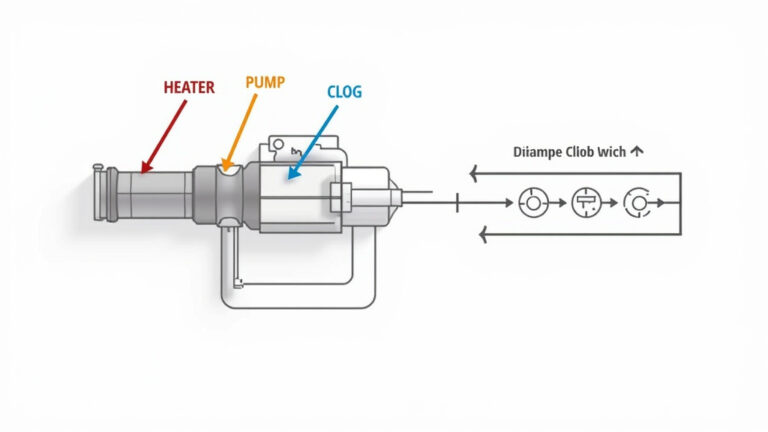
Professional fog machine heating elements operate between 400°F and 500°F (204°C to 260°C) to achieve instantaneous vaporization of glycol-based fluid. The temperature is regulated by a thermal switch or solid-state controller. If the fluid is incompatible or the heater is coated in residue, the element will overheat and trigger a safety shutdown or permanent failure.
Lower-wattage consumer machines run cooler. A 400-watt Halloween store fogger might only reach 300°F (149°C). It uses a less viscous fluid with a lower boiling point. The trade-off is obvious: thinner, quicker-dissipating fog. The power consumption directly dictates this thermal ceiling.
| Machine Type | Typical Wattage | Heating Element Temp | Fog Output Temp | Best For |
|---|---|---|---|---|
| Low-End Party Fogger | 400W | 300–350°F (149–177°C) | 120–150°F (49–65°C) | Small rooms, short bursts |
| Prosumer Fog Machine | 1000W | 380–420°F (193–216°C) | 150–180°F (65–82°C) | Home theaters, DJ events |
| Professional Hazer | 1500W+ | 200–300°C (392–572°F) | 100–130°F (38–54°C) | Continuous, low-lying haze |
| Professional Fogger | 2000W+ | 400–500°F (204–260°C) | 180–200°F (82–93°C) | Concerts, theatrical effects |
The fog you see is that vapor condensing back into microscopic droplets as it hits cooler room air. So while the element is at 450°F, the fog plume a foot from the nozzle might be 180°F. Touch the nozzle itself, though, and you’re touching metal that’s still within 50 degrees of the heater’s core temperature.
TL;DR: The heating element runs at 400–500°F to vaporize fluid; the fog itself is 150–200°F; the machine’s casing stays near element temperature for hours.
Haze vs. Fog: A Temperature Fight
Haze machines are not just low-output fog machines. They use a different internal heating process. A hazer heats its fluid to a lower, stable temperature, often between 200°C and 300°C (392°F and 572°F), and uses a compressor or a fan to shear the fluid into an ultra-fine mist. The goal is suspension, not condensation.
A fog machine needs a violent, rapid boil. It uses a burst of high heat to create a dense vapor cloud. A hazer uses sustained, lower heat to create a lingering atmosphere. If you put haze fluid in a fog machine, it gums up. If you put fog fluid in a hazer, it either does nothing or spits wet droplets.
The wrong fluid is a death sentence for the heater.
Why So Hot? The Chemistry of Vaporization
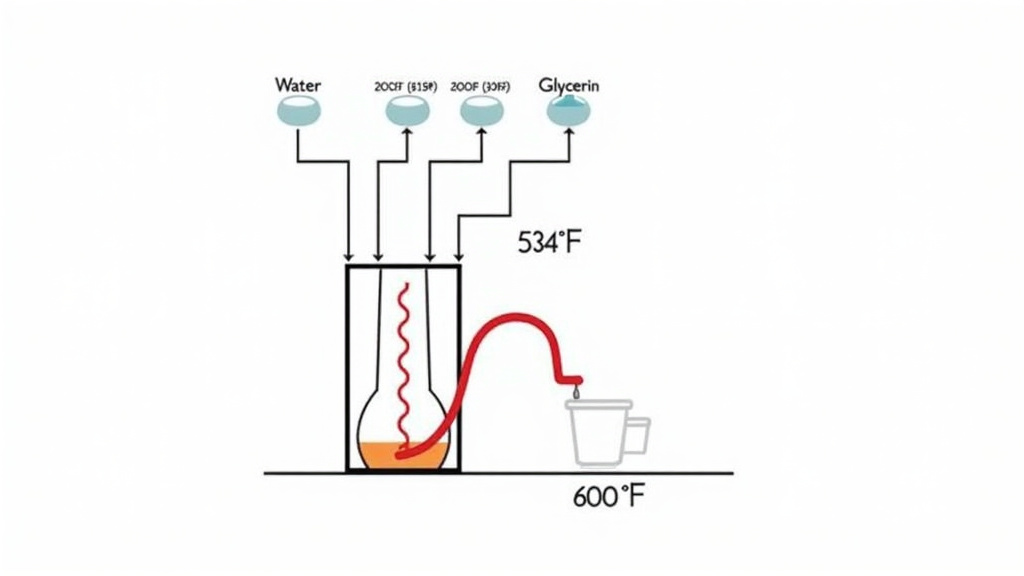
The heat isn’t arbitrary. It’s dictated by the chemistry of the fluid. Most fog fluids use a mixture of water and either propylene glycol or glycerin.
- Water: Boils at 212°F (100°C) at sea level.
- Propylene Glycol: Boiling point around 370°F (188°C).
- Glycerin: Boiling point of 554°F (290°C).
The machine must heat the mixture past the boiling point of the highest-boiling ingredient to ensure complete, instantaneous vaporization. Incomplete vaporization means wet fog that drips and leaves residues. It also means the fluid hits the element as a liquid, causing thermal shock and accelerating mineral deposit buildup.
Common mistake: Using “water-based” haze fluid in a standard fog machine, the fluid doesn’t fully vaporize at the fog machine’s set temperature. It leaves a sugary, insulating film on the heating element. Within three to five uses, the heater overheats, the thermal fuse blows, and you’re left with a heating element failure.
This is the single biggest point of failure. The fluid boiling point is a fixed specification. The machine’s thermostat is set to match it. Deviate, and the system fails.
The One Mistake That Burns Out Heaters
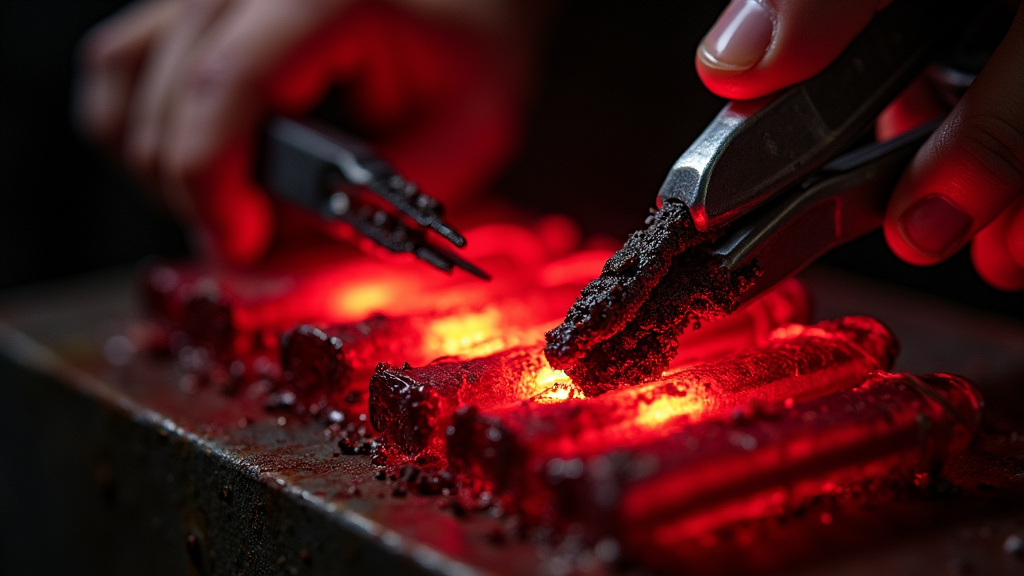
It’s not about running the machine for too long. Modern units have thermal cutoffs. The killer is using the wrong fluid or no fluid at all.
Dry firing a fog machine, triggering it when the fluid tank is empty, forces the pump to send air across the red-hot heating element. Without fluid to vaporize and cool the element, the temperature spikes uncontrollably. The thermal fuse will blow, if you’re lucky. If you’re not, the heating coil itself can warp or crack.
The same thing happens with incompatible fluid. Let’s say you pour a “low-lying” or “water-based” fluid meant for a hazer into a Chauvet DJ 1500. That fluid is formulated to aerosolize at a lower temperature. In the 1500’s hotter chamber, it doesn’t vaporize cleanly. It bakes onto the element like hardened syrup.
You’ll smell it before you see the problem, a faint, sweet burning odor. The next burst of fog will be thin and weak. Then the machine will shut off and refuse to power on. The repair involves disassembling the unit, testing the thermal fuse, and likely chiseling carbonized gunk off the heat exchanger. I’ve done it on three different machines for clients who insisted on using “the cheap juice.” The labor cost exceeded the price of a new machine twice.
Your Safety Checklist (Beyond “Don’t Touch”)
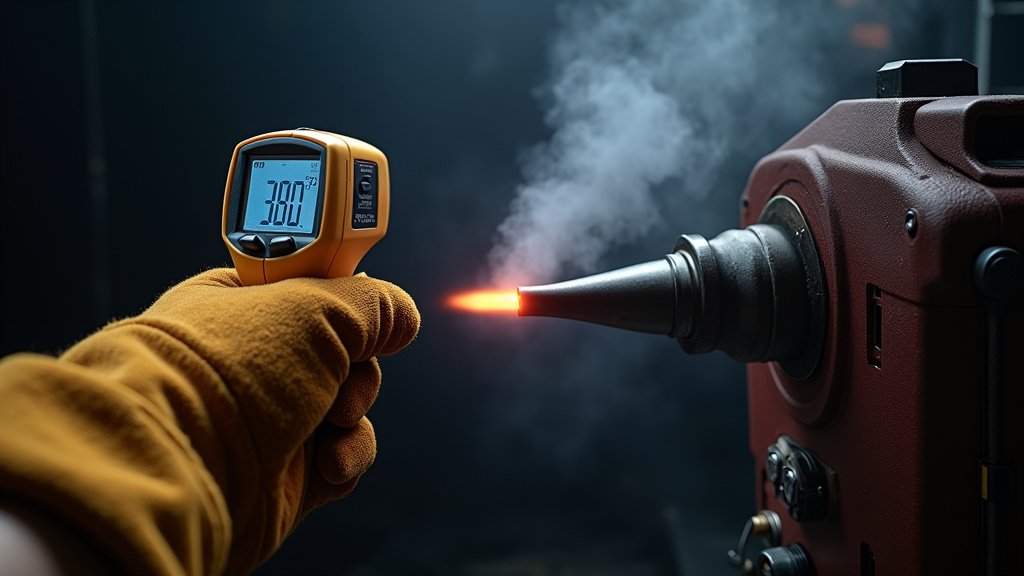
The manual’s warnings are there because people get burned. Literally.
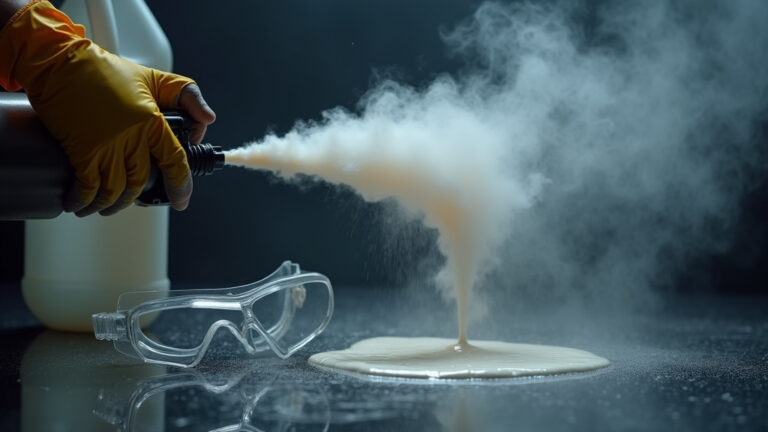
- Wear heat-resistant gloves during any maintenance. Not gardening gloves. Mechanic’s gloves or welding gloves. The housing and nozzle retain heat for hours.
- Never place the machine on a flammable surface. That includes wooden stages, carpet, or near curtains. Use a metal cart or a concrete floor.
- Maintain at least 3 feet of clearance on all sides and above the unit. This is for ventilation. Blocking the vents turns the machine into a space heater and can melt its own internal wiring.
- Always point the output nozzle away from people, pets, and sensitive electronics. The initial blast of vapor is hot and dense. It can startle people and, over time, the heat and moisture can damage speakers or lighting fixtures. Understanding the ambient heat output is crucial for stage setup.
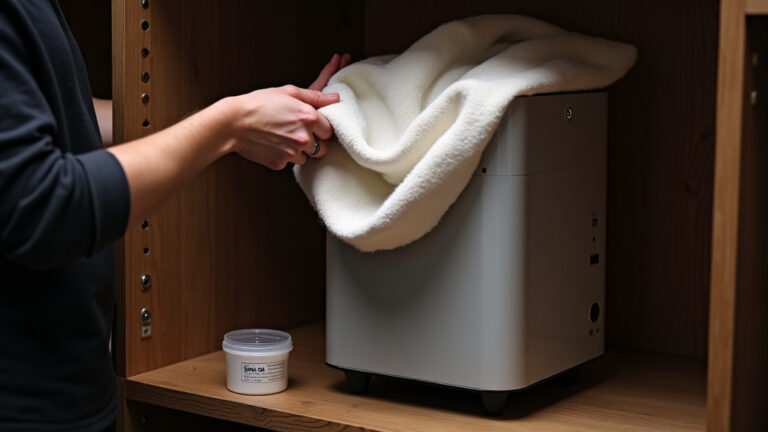
- Let it cool completely before storage. I wait at least two hours, then place the back of my hand near the housing. If I feel radiant heat, it’s not ready. Rushing this step warps plastic components and is a leading cause of common malfunctions.
Before you start: The heating element is live and exposed when the housing is removed. Unplug the machine and wait 30 minutes after the last use before opening. The output nozzle can cause second-degree burns on contact for up to 10 hours after shutdown. Treat it like a hot oven coil.
How to Check Your Machine’s Temperature Profile
You don’t need to guess. Your machine’s manual lists its wattage, which directly correlates to its operating temperature. No manual? Check the manufacturer’s website for the spec sheet.
- Find the wattage rating. It’s on a label near the power cord input. A 1000W machine runs hotter than a 400W machine.
- Identify the fluid type. The manual or the fluid bottle itself will specify “glycol-based,” “water-based,” or “haze fluid.” This tells you the target boiling point.
- Note the warm-up time. A 2–3 minute warm-up indicates a lower-temperature machine (300–350°F). A 7–10 minute warm-up indicates a high-temperature professional unit (400°F+).
If you’re troubleshooting a faulty heating element, a multimeter with a temperature probe can check the heat exchanger’s surface temp. Aim the probe at the metal fins near the output. At operating temperature, it should read within 50°F of the element’s rating. A significant low reading means the thermostat is bad or the element is coated. A reading that climbs past 500°F indicates a failing thermal cutoff.
Maintenance: It’s About Heat Management
Cleaning isn’t about aesthetics. It’s about maintaining the heat transfer efficiency of the heat exchanger. A layer of carbonized fluid acts as an insulator.
Every 10–20 hours of use, you need to purge the system. Here’s the real sequence most people skip:
- Run the machine with fluid until the tank is nearly empty.
- Fill the tank with distilled water only.
- Run the machine, triggering fog until the output runs clear and the reservoir is empty. This steams out loose residue.
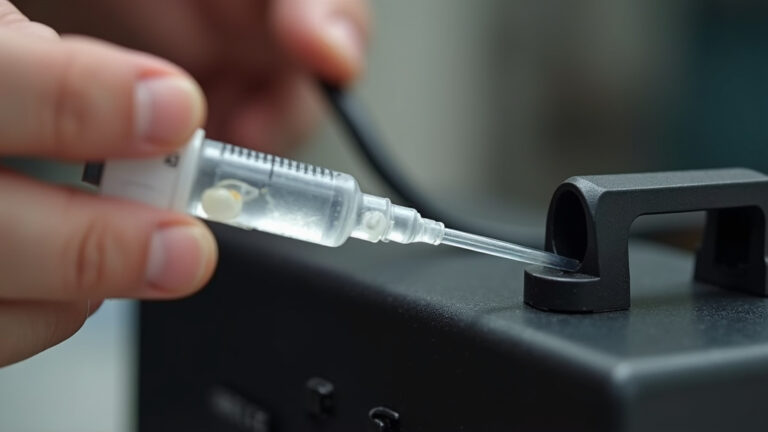
- This is the critical step. Let the machine cool completely. Then, use a can of compressed air to blow backwards through the output nozzle. Short, firm bursts. You’ll see white mineral dust (from evaporated water) puff out of the fluid intake. That dust clogs the clogged nozzle over time.
- Never use chemical cleaners inside the heat chamber. They can leave a film that creates toxic fumes when heated.
Skipping the distilled water flush and compressed air step is why machines lose output power after a year. The maintenance routine isn’t optional.
Frequently Asked Questions
How long does it take for a fog machine to cool down?
The external metal casing and output nozzle take the longest, often remaining hot enough to burn skin for 4–6 hours. The internal heating element cools faster, usually within 30–60 minutes. Always assume the machine is hot for at least 10 hours after unplugging.
Can the fog itself start a fire?
Directly, no. The fog plume is not flammable. However, the extreme heat radiating from the machine’s housing can ignite nearby flammable materials like paper, fabric, or plastic curtains. Always maintain clearance and never cover a running machine.
Why does my fog machine smell like burning plastic?
That’s the smell of overheating. The most common causes are using incompatible fluid (which cakes on the element), a clogged pump forcing the heater to overwork, or a failed cooling fan. Stop using it immediately. The smell means internal components are degrading.
Does a hotter machine make thicker fog?
Yes, but only to a point. Higher temperature allows for the complete vaporization of thicker, glycerin-heavy fluids, which produce denser, longer-hanging fog. However, once the fluid is fully vaporized, extra heat just wastes energy and increases the risk of overheating issues.
Will fog set off my smoke alarm?
It can. Photoelectric smoke alarms detect particulate matter, and dense fog can look like smoke to them. Ionization alarms are less likely to trigger. The risk depends on the particle density of your fog and the alarm’s proximity to the output. Always test before an event.
Can I make my fog machine run cooler?
No. The operating temperature is set by the thermostat to match the fluid’s boiling point. Attempting to modify it will result in poor vaporization (wet fog) or component failure. If you need cooler output, use a fog chilling unit to cool the fog after it leaves the machine.
The Bottom Line
The 400–500°F heat inside a fog machine is a necessary, non-negotiable part of its operation. Respect that heat. Match your fluid to your machine’s design, glycol for high-heat foggers, specific fluids for hazers. Let the machine warm up fully, and let it cool down completely. That metal box will stay hot long after the last puff of fog dissipates. Your planning should account for that thermal mass. Keep gloves handy, keep space around the unit, and never assume it’s cool because the show is over. That’s how you get a machine that lasts for years instead of one that dies before the season’s first Halloween party.