No, we do not recommend coloring fog machine smoke. While it is technically possible to add dye or paint to fog fluid to create colored smoke, the chemicals found in most dyes and paints can be harmful for humans to inhale.
As the safety of our customers is our top priority, we strongly advise against using this technique. Instead, we recommend utilizing colored lights and specialized fog fluids that are designed to create safe and captivating fog effects.
Why It Is Not Advisable To Add Coloring To Your Fog Machine
Adding color to fog machine smoke may seem like a fun idea to enhance your special effects, but it can actually cause damage to your equipment and result in limited or ineffective outcomes. Here’s why it is not advisable to add coloring to your fog machine:
1. Damage to the Machine
Professional fog machines are specifically designed to work with fog juice or dry ice. Adding food coloring, dye, or other additives can disrupt the machine’s functionality and potentially cause clogs or malfunctions.
2. Ineffective Color Distribution
Even if you add a variety of colors, the fog will still come out as white or clear. This is because the particles in colored additives are too large to evenly disperse throughout the fog, resulting in limited or no color effect.
3. Safety Concerns
Certain additives may contain chemicals that can be harmful when heated and released into the air. Using products not intended for fog machines can pose a risk to both the equipment and those in the vicinity.
4. Alternative Method
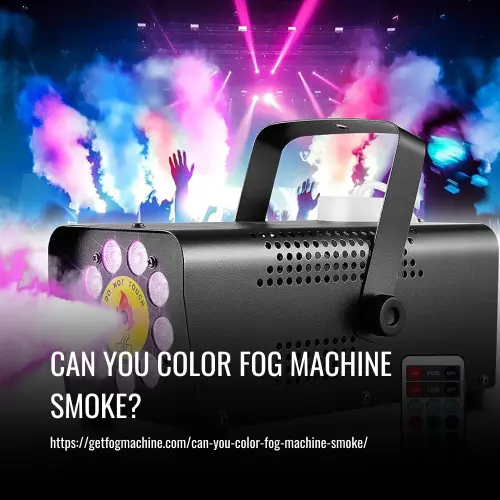
If you want to achieve colorful fog, the best approach is to use colored lights to illuminate the fog as it disperses. By reflecting the colored light, the fog will appear to have the desired coloring, creating a stunning visual effect.
How to Color Fog Machine Smoke
Here are Some Different Methods to Color Fog Machine Smoke.
1. Coloring Fog Machine Smoke Using Colored Light
Fog machines are able to create stunning fog effects by transforming fog fluid into aerosol form. The fog fluid droplets, though transparent, appear white when reflected by normal white light. To achieve colored fog effects, colored lights can be used. By shining a colored light on the clear fog particles, the particles will reflect the colored light instead of the normal white light, resulting in vibrant and visually captivating fog effects.
This technique allows for the creation of various atmospheres and moods, enhancing stage effects and providing intense and controllable lighting effects. By using colored lights in conjunction with fog machines, you can add an extra layer of visual impact to your special effects repertoire.
2. Coloring Fog Machine Smoke Using Power
Coloring fog machine smoke using power involves the use of solid particles, such as powders or pyrotechnic items, to create a colored fog-like effect. By burning or scattering these particles into the air, a cloud of colored smoke can be generated. This technique is commonly used in theater and stage productions to create vibrant and visually stunning effects.
Companies that specialize in special effects and fog machines often offer colored smoke powders for purchase, allowing users to easily add color to their fog effects. By incorporating colored lights or beams directed at the fog, the resulting combination of colored smoke and lighting effects can create intense and controllable atmospheres for various events and performances.
3. Using the Fog Machine with LED Lights
When it comes to creating a colorful haze for your party, using a fog machine with built-in LED lights is the simplest and most up-to-date method. With this type of machine, you can easily fill it with fog fluid, turn on the machine, and select a color of your choice.
The LED lights integrated into the fog machine will then produce vibrant and colorful smoke, adding an extra level of excitement to your event. This method is especially great for beginners who want to create stunning visual effects without the need for complicated setups or additional equipment.
The Best Ways To Use Colored Fog In Your Event Or Party
Colored fog can add an extra level of excitement and atmosphere to your event or party. By combining a fog machine with colored lights, you can create stunning visual effects that will leave a lasting impression on your guests. Whether you are hosting a concert, wedding, or theatrical production, colored fog can help create the perfect ambiance.
One popular approach is to use different colored fog fluids that react with the colored lights to create a vibrant and dynamic atmosphere. For example, using blue fog fluid with blue lights can create a cool and calming effect, while using red fog fluid with red lights can create a more intense and energetic atmosphere.
Additionally, you can also experiment with adding drops of food coloring to the fog fluid to achieve custom colors. By carefully controlling the fog machine output and lighting, you can create a variety of stunning effects that will enhance the overall experience for your guests.
The Optimal Conditions for the Production of Colored Fog
The optimal conditions for producing colored fog include maintaining moderate room temperatures. Too low temperatures result in dense clouds, while too high temperatures create light mists. To achieve denser vaporization, increase the temperature of heaters or use less fluid/ice.
When using fog fluids indoors, ensure they are non-toxic and safe to breathe. Avoid using products with oil or petroleum-based additives. By following these guidelines, you can create vibrant and visually stunning colored fog effects for a variety of atmospheric and stage settings.
Type of Fog Machine for Colored Smoke
When it comes to creating colored smoke effects with a fog machine, it is important to choose the right type of machine. The most commonly used type is the “wet” form of the fog machine. These fog generators use a heating element immersed underwater within a tank filled with liquid glycol.
When heated, the glycol evaporates into dense clouds of fog. To add color to the fog, you can use special fog fluids that are specifically designed to produce colored smoke. These fluids contain dyes or pigments that mix with the fog to create vibrant and colorful effects.
Additionally, many fog machines come equipped with LED lights, which can further enhance the color and intensity of the smoke. Remember to avoid obstructing the airflow of the machine’s internal fan, as this can affect the distribution and quality of the colored smoke.
What is the Purpose of Colored Fog
Colored fog adds an extra layer of visual impact and excitement to various events and performances. By introducing different hues into the fog emitted by fog machines, you can create a mesmerizing and captivating atmosphere.
1. Enhancing Visual Effects:
One of the primary reasons for using colored fog is to create a visually striking and dramatic impression. Colored fog adds depth and dimension to the atmosphere, instantly transforming a regular space into an enchanting spectacle. Whether it’s for a concert, stage production, or themed party, colored fog intensifies the overall aesthetic and enhances the immersive experience for the audience.
2. Meeting Lighting and Stage Requirements:
Live entertainment venues often have specific lighting and stage requirements. Incorporating colored fog into your performances allows you to fulfill these requirements with ease. By synchronizing the color of the fog with the lighting effects, you can create dynamic and captivating visuals that complement the overall show. Colored fog provides flexibility for achieving the desired ambiance and effects, ensuring a memorable and professional production.
3. Creating Memorable Moments:
Colored fog also adds an element of fun and excitement to private events like parties or gatherings. By using fog machines with the ability to emit colored smoke, you can create an atmosphere that immerses your guests in a magical and whimsical world.
Whether it’s a Halloween party, New Year’s Eve celebration, or a themed birthday bash, colored fog adds a memorable and unique touch to the overall experience. It provides a captivating backdrop for photo opportunities and leaves lasting impressions on guests.
FAQs
No, you cannot directly color fog machine smoke by adding food coloring or dye to the fog fluid. This is because fog machines produce fog by heating the fog fluid, creating an aerosol vapor in the air. Fog is made up of small liquid droplets that are clear in nature and reflect light. Adding food dye to the fog fluid will produce solid particles instead of liquid droplets, which can damage the fog machine and not create colored fog.
No, dry ice does not produce colored fog. Dry ice turns into a gas and appears white before fading away. To achieve colored fog effects, it is best to use colored lights instead of dry ice.
It is not recommended to color fog juice as it can damage the fog machine and not produce the desired effect. It is best to stick with the fog juice recommended by the manufacturer for your specific fog machine.
Burning food coloring can potentially have toxic effects. Some food dyes have been tested and found to be harmful, even causing cancer in mice. It is not recommended to burn food coloring, especially by adding it to the fog machine fluid.
To create green fog for Halloween, set up your smoke machines with fog juice and start the machine. The fog produced will initially appear white due to the white lighting in the room. Change the lighting to green and shine it towards the fog, and it will take on a green color due to the interaction between the colored light and the fog droplets in the air.
Conclusion
While it may be tempting to try and add some color to your fog machine smoke, it’s best to stick with the natural white or gray hue. Not only will this ensure the safety of your machine and the environment, but it will also create a more authentic and mesmerizing effect.
Remember, sometimes it’s best to let nature’s beauty shine through without any artificial enhancements. So, embrace the ethereal charm of the misty fog and let your imagination run wild in its enchanting embrace.