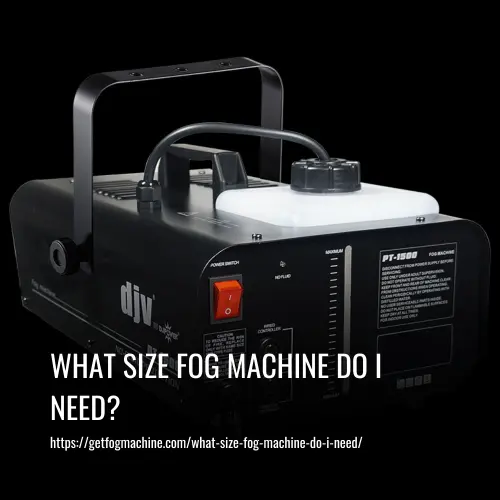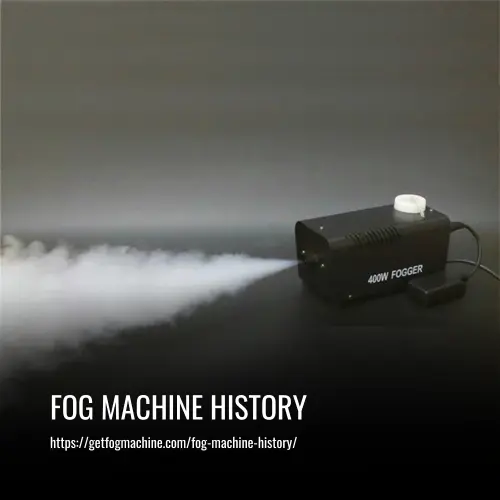
The main difference between a 400W and a 1000W fog machine is the wattage, which indicates the amount of power or energy each machine uses. A 400W fog machine utilizes 400 Joules of energy per second, while a 1000W fog machine uses 1000 Joules per second.
This means that the 1000W fog machine is more powerful and can produce more fog per minute compared to the 400W fog machine. Depending on the size of the area or the desired effect, the choice between the two machines will depend on the level of fog production required.
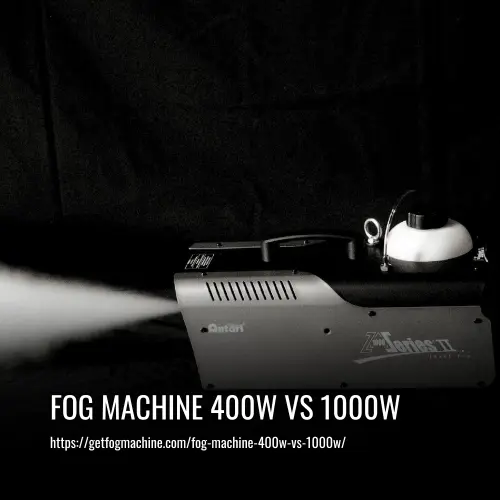
What’s The Difference Between a 400W and a 1000w Fog Machine
When it comes to fog machines, two of the most common types are the 400W and the 1000W fog machines. While they both create the atmospheric fog that is perfect for spooky events or stage performances, there are some key differences between the two.
1. Wattage
The primary difference between these fog machines is their wattage. A 400W fog machine uses 400 watts of power, while a 1000W fog machine uses 1000 watts. This means that the 1000W machine is more powerful in terms of the energy it consumes.
2. Power
With greater wattage, a 1000W fog machine is more powerful than a 400W one. It can produce a larger volume of fog, making it ideal for events or performances that require a significant amount of fog.
3. Fog Density
Higher wattage also means that the fog produced by a 1000W fog machine is denser and thicker compared to the fog created by a 400W machine. The thicker fog can create a more dramatic and atmospheric effect.
4. Fog Output
The output of a fog machine refers to the amount of fog it can produce in a given time. Generally, a 1000W fog machine will have a higher output in cubic feet per minute (CFM) compared to a 400W fog machine. This means that it can generate more fog in a shorter period of time.
5. Heat Output
Due to their higher wattage, 1000W fog machines produce more heat than their 400W counterparts. If you are concerned about heat production or plan to use the fog machine in a smaller space, a 400W fog machine may be a better option.
6. Size and Weight
400W fog machines are typically smaller and lighter compared to 1000W fog machines. The higher wattage machines require more space to accommodate the larger heating element and motor. If portability and ease of setup are important to you, a 400W fog machine may be more suitable.
7. Cost
Generally, 1000W fog machines are more expensive than 400W fog machines due to their higher power and output capabilities. If you are on a budget, the 400W fog machine would be a more cost-effective choice.
8. Coverage Area
A 1000W fog machine can cover a larger area than a 400W fog machine due to its higher fog production. If you need to fill a larger space with fog, the 1000W fog machine is the better option.
9. Fluid Intake
The higher CFM output of a 1000W fog machine means it usually requires more fog fluid compared to a 400W fog machine. This may result in more frequent tank refills or increased fluid usage. If you prefer a more economical option, the 400W fog machine would be a better choice.
Advantages and Disadvantages of 400W Fog Machines
Here are Some Advantages and Disadvantages of 400W Fog Machines.
Advantages of 400W Fog Machines
1. More economical
400W fog machines are more cost-effective to operate compared to 1000W fog machines. The lower wattage means they consume less power and produce less heat, resulting in lower electricity bills.
2. Smaller and lighter
400W fog machines are typically smaller and lighter than their 1000W counterparts. This makes them easier to transport and set up, particularly for portable events or locations with limited space.
3. Uses less fluid
Due to their lower power output, 400W fog machines consume less fog fluid. This means you won’t have to refill the tank as frequently, saving you both time and money.
4. Affordable
400W fog machines are generally more affordable compared to their 1000W counterparts. If you have a limited budget or require a fog machine for smaller-scale events, opting for a 400W model can offer cost savings without compromising overall performance.
Disadvantages of 400W Fog Machines
1. Less powerful
Compared to 1000W fog machines, 400W fog machines are not as powerful. Consequently, they produce less dense and less thick fog, which may not create the desired atmospheric effect for certain events or applications.
2. Lower output
With their lower power output, 400W fog machines cannot cover as large of an area as 1000W fog machines. If you need to fill a large space with fog, such as a sprawling outdoor area or a spacious venue, a 400W fog machine may not provide sufficient coverage.
Who Needs A 400w Fog Machine?
A 400W fog machine is ideal for those who have small spaces to fill with fog, such as living rooms or small event venues. It is also suitable for those on a budget who need a fog machine for small parties or events.
If you don’t require a lot of power or output from your fog machine and only need a light fog effect, then a 400W fog machine will suffice. Additionally, if you are concerned about running costs, a 400W fog machine is more economical to operate compared to a 1000W fog machine.
Advantages and Disadvantages of 1000W Fog Machines
Here are Some Advantages and Disadvantages of 1000W Fog Machines.
Advantages of 1000W Fog Machines
1. More powerful
1000W fog machines are known for their superior power compared to 400W fog machines. This means they can produce denser and thicker fog, creating a more intense and dramatic effect.
2. Higher output
With a higher output, 1000W fog machines can cover a larger area than their 400W counterparts. This makes them ideal for bigger venues or outdoor events where you need to create a spooky atmosphere over a significant distance.
3. Greater CFM and coverage area
Typically, 1000W fog machines have a higher cubic feet per minute (CFM) rating than 400W fog machines. This allows them to disperse fog over a larger area, ensuring a more immersive fog experience for your audience.
Disadvantages of 1000W Fog Machines
1. More expensive to operate
Due to their higher power consumption and heat production, 1000W fog machines tend to be more costly to operate compared to 400W fog machines. You may need to factor in higher energy costs and more frequent fog fluid refills.
2. Heavier and larger
In general, 1000W fog machines are heavier and bulkier than their 400W counterparts. This can make them more challenging to transport and set up, especially if you need to move them frequently for different events or locations.
3. Higher fog fluid consumption
As 1000W fog machines typically have a higher CFM rating, they require a larger amount of fog fluid to produce an adequate amount of fog. This means you may need to refill the fluid tank more often, increasing operational costs and maintenance requirements.
Who Needs A 1000w Fog Machine?
When it comes to fog machines, a 1000W fog machine is needed in specific situations. Firstly, individuals require a machine with a high output to cover large areas, such as hosting a party in a spacious room or outdoors. This powerful machine is also ideal for those seeking dense and heavy fog effects.
Moreover, if running costs and power bills are not a concern, opting for a 1000W fog machine can provide the desired results. These machines are designed to create a spooky atmosphere and cover extensive areas with thick fog.
Fog Machine 400W vs. 1000W: Where to Buy
When it comes to purchasing fog machines, there are many options available. You can find both 400W and 1000W fog machines at local party stores or online marketplaces. If you’re looking to save money, consider buying a used fog machine from a thrift store or online marketplace, just ensure that you test it before purchasing.
However, if you prefer a wide range of options and the ability to read customer reviews, I recommend buying your fog machine from Amazon. They have a variety of 400W and 1000W fog machines from different brands, making it easy for you to find the one that meets your specific needs.
FAQs
The power rating of a fog machine does not indicate its efficiency. Efficiency depends on factors such as motor efficiency and overall design. A more powerful fog machine is not necessarily more efficient.
The output of a fog machine depends on factors like tank size, pump type, and nozzle type. Generally, a 1000W fog machine will have a higher output and can cover a larger area with fog.
Yes, you can typically use a larger tank with a 1000W fog machine, but you may need to purchase an adapter.
1000W fog machines are typically heavier and larger, but there are portable models available.
The coverage area of a 1000W fog machine is typically larger than a 400W fog machine, depending on factors such as brand, model, and tank size.
1000W fog machines are generally more expensive due to the higher power and heat production. However, affordable options are available.
No, a 400W fog machine may be sufficient for a small room, depending on your needs.
A 400W fog machine typically takes about 5 minutes to warm up.
Conclusion
Whether you choose a 400w or 1000w fog machine, the important thing is to create an unforgettable atmosphere. Both options have their pros and cons, but ultimately it depends on the size of the venue and the intensity of the fog you desire.
Whichever you choose, get ready to take your events to the next level and leave your audience in awe! Let the fog roll in and let the magic begin!