A fog chiller and a fog machine serve different purposes in creating atmospheric effects. A fog machine is specifically designed to generate fog, producing a thick mist that can be used for various special effects. On the other hand, a fog chiller is used to cool down the fog, making it stay closer to the ground and creating a low-lying effect.
By lowering the temperature of the fog, a fog chiller prolongs the duration of the desired effect. While a fog machine is responsible for fog generation, a fog chiller enhances the visual impact by keeping the fog close to the ground for a longer time, creating a spooky and chilling atmosphere.
What is a Fog Machine
A fog machine is a device that uses heat to create fog or smoke. It is commonly used for special effects in movies and theatre, as well as enhancing Halloween decorations or creating an atmosphere at a nightclub or concert. The machine operates by heating fog juice, which is a liquid specifically designed for use in fog machines, to create a thick fog or smoke.
The fog produced can vary in density and duration depending on the type of machine and the settings used. Fog machines are popular due to their versatility and ability to create a spooky atmosphere in various settings.
How Does a Fog Machine Work
A fog machine works by heating up a glycol or glycerin-based fluid, which is then forced through a heating element to create vaporized fog. The resulting fog is not cold and will quickly rise and dissipate. Regular fog machines are not typically used to create low-lying fog effects, but there are special fog machines available for this purpose, although they tend to be more expensive.
The density of the fog can be controlled by the amount of fluid used and the temperature of the fluid. Some fog machines have built-in mechanics for easy adjustment of fog density.
What is a Fog Chiller
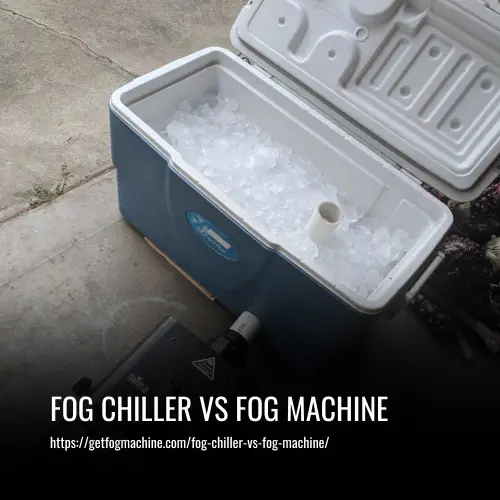
A fog chiller is a device designed to cool down the fog produced by a fog machine, allowing it to stay low to the ground and create low-lying fog effects. By cooling the fog, the chiller takes advantage of the fact that cold air sinks, preventing the fog from rising and dissipating too quickly.
This is crucial for achieving spooky and atmospheric effects in various applications, such as theatrical productions, haunted houses, or special events. Without a chiller, the hot fog produced by a fog machine would rise and disperse, losing its desired effect.
Some fog chillers can be purchased, but it is also possible to make your own, providing an affordable option for creating chilling effects.
How Does a Fog Chiller Work
A fog chiller works by utilizing a cooling element, typically dry ice or solid carbon dioxide, to lower the temperature of the fog produced by a regular fog machine. The cold fog produced by the chiller remains close to the ground, creating a low-lying effect that lingers longer than regular fog. By cooling the fog, the fog chiller prevents it from dissipating quickly, resulting in a spooky and atmospheric effect.
Fog chillers can be used with any type of fog machine and are often a more affordable alternative to low-lying fog machines. They are commonly used in theatrical productions, haunted houses, and other events that require a chilling and eerie ambiance.
What Are The Differences Between A Fog Chiller And A Fog Machine
Fog machines and fog chillers are two devices commonly used to create special effects and produce atmospheric fog in various settings. While they both contribute to creating a spooky atmosphere, there are some key differences between the two.
1. Use Case
Fog machines are primarily used to generate fog. They use a heat exchanger to vaporize fog fluid, resulting in the production of fog that can be released into the desired area. On the other hand, fog chillers are used to cool down the fog produced by a fog machine, allowing it to stay low to the ground and create a dramatic low-lying fog effect.
2. Fog Production
A fog machine is capable of actually producing fog due to its internal heating and vaporization mechanisms. In contrast, a fog chiller does not produce fog itself. Instead, it cools the fog generated by a fog machine using various cooling agents or techniques, such as dry ice or refrigerants, to create a chilling effect.
3. Type of Fog
The fog produced by a fog machine is not necessarily cold. However, when the fog is passed through a fog chiller, it undergoes a cooling process that lowers its temperature. The chilled fog created by a fog chiller has a lower density and temperature, causing it to stay close to the ground for longer periods and create an eerie low-lying fog effect.
4. Cost
In terms of cost, fog machines are generally less expensive than fog chillers. Fog machines do not require any special cooling elements, whereas fog chillers often rely on dry ice or refrigerants, which can add to the overall cost.
5. Ease of Use
Fog machines are generally easier to operate compared to fog chillers. Fog machines typically require only the addition of fog fluid and the push of a button to start generating fog. On the other hand, fog chillers can be a bit more complex to set up and use, especially when dry ice or other cooling methods are involved.
6. Products Used
Fog chillers often use refrigerants like ammonia or Freon to propel and force the fog out, creating a chilling effect. In contrast, fog machines utilize a glycol- or glycerin-based fog fluid that is heated and vaporized to create the fog.
Who Needs a Fog Chiller
A fog chiller is essential for various industries and settings seeking to create captivating atmospheric effects. In the entertainment industry, including movies, theaters, and haunted houses, fog chillers are widely used to generate low-lying fog effects, adding a spooky ambiance to the experience. Nightclubs and concerts also rely on fog chillers to enhance the overall atmosphere, creating a visually stunning environment for the audience.
Additionally, fog chillers find practical applications in industrial settings such as warehouses and greenhouses, where they can prevent products from getting wet or create controlled environments. The versatility and effectiveness of fog chillers make them a valuable tool for creating mesmerizing effects in a variety of settings.
Who Needs a Fog Machine
A fog machine, also known as a smoke machine, is commonly used in theatres and concerts for special effects and to create atmospheric ambiance. It can also be utilized for Halloween decorations, such as creating the illusion of floating ghosts. Additionally, fog machines have disinfection applications, being able to effectively treat rooms contaminated with mold or mildew.
When using a fog machine for disinfection purposes, it is crucial to ensure that you are using a model specifically designed for this purpose. Overall, fog machines are versatile tools that cater to the needs of performers, decorators, and individuals seeking to sanitize their spaces.
Do I Need a Fog Chiller or a Fog Machine
The decision between a fog chiller and a fog machine depends on your specific needs and requirements. If your main goal is to create fog for special effects, a fog machine is a more affordable option. However, if you want to achieve low-lying fog effects, a fog machine combined with a fog chiller is necessary. Fog machines are cost-effective and can create fog, while a fog chiller is designed to cool down the fog, making it stay close to the ground.
This is particularly useful for outdoor events that last for hours as it eliminates the need for constant fog machine refills. If you have a one-time event like a Halloween party, a fog machine is sufficient, and you can even find compact options that are easy to handle. Ultimately, the choice between a fog chiller and a fog machine depends on the desired effect and the specific event requirements.
Fog Chiller vs. Fog Machine Compared: Pros and Cons
When it comes to creating spooky atmospheres or special effects, fog machines and fog chillers are two common choices. While they both serve the purpose of generating fog, they have distinct differences that make them suitable for different applications. Let’s take a closer look at the pros and cons of each device.
Fog Machine Pros
1. Less expensive: Fog machines are generally more affordable than fog chillers, making them a cost-effective option for those on a budget.
2. Easy to use: Fog machines are user-friendly and can be operated with minimal effort.
3. Wide variety: There are numerous brands, sizes, and styles of fog machines available in the market, providing options for different requirements.
4. Versatility: Fog machines can be used for a range of applications, from creating spooky atmospheres at Halloween parties to adding special effects in theatrical and industrial settings.
Fog Machine Cons
1. Limited cooling capabilities: Unlike fog chillers, fog machines are designed to generate fog and lack the ability to cool it down.
2. Shorter fog duration: The fog produced by fog machines tends to dissipate quickly, resulting in a shorter impact.
Fog Chiller Pros
1. Colder and longer-lasting fog: Fog chillers create a fog that is colder and lingers in the air for a longer time, resulting in a more visually impressive effect.
2. Versatility: Similar to fog machines, fog chillers can be used for various applications such as theatrical productions, haunted houses, and industrial events.
Fog Chiller Cons
1. Higher cost: Fog chillers are generally more expensive than fog machines, which can be a deterrent for those with tight budgets.
2. Special requirements: Some fog chillers may require special refrigerants, making them more complex to maintain and operate.
3. Handling dry ice: Certain fog chillers use dry ice, which requires careful handling due to its extremely cold temperature.
FAQs
A fog chiller can be used for a variety of purposes, including creating low-lying fog effects, adding atmosphere to an event, or cooling products in an industrial setting.
Fog machines are often used to create special effects in movies and theatre or to add atmosphere at a nightclub or concert. Some people also use fog machines to create Halloween decorations, such as ghosts that appear to be floating in the air.
Yes. If you want to create low-lying fog effects, then you will need a fog machine and a fog chiller. Fog chillers will cool down the fog your fogger produces, so it stays low to the ground.
The best way to use a fog machine will depend on what you are using it for. If you want to create low-lying fog effects, then you will need to use a fog machine and a fog chiller. If you’re just looking to add some atmosphere to an event, then any old fog machine will do the trick.
The best way to choose a fog machine is to decide what you need it for and then find a model that meets your needs. If you only need to create fog, then any regular fog machine will suffice. However, if you want to create low-lying fog effects, then you will need a fogger that produces low-lying fog.
Some fog machines produce low-lying fog. If you find one such fogger, there is no need to buy both a fog machine and a fog chiller. However, if you already have a regular fog machine, then it is better to get an affordable fog chiller so that you can create low-lying fog effects.
Some fog machines are designated as professional and will last for a longer amount of time. There are also special low-lying fog machines that aim to cover the area closest to the ground. These require special low-lying fog juice in order to create the right effect.
Conclusion
Both fog chillers and fog machines offer unique and versatile solutions for creating special effects and a spooky atmosphere. Fog machines are the most common choice due to their affordability and availability. They come in a variety of sizes and capabilities, with options for both indoor and outdoor use.
Fog machines utilize fog juice, which is converted into fog by heating the fluid. However, it is important to consider the respiratory effects that this type of fog can have, as well as the potential for adverse effects if used inappropriately.
On the other hand, fog chillers offer a different approach to creating low-lying fog. By utilizing cool air sinking techniques, fog chillers can create a chilled-fog effect without the need for heating or burning substances. This makes them a safer and more environmentally friendly option.