When you’re trying to think of how to add instant atmosphere to an event or space, one of the easiest fixes is to use a fog machine. With a fog machine, you can create any type of look from creepy and eerie to soft and romantic, and all with the one device.
One other type of effect maker that is also commonly used is a haze machine, but how do they differ? People often wonder which is the best choice for their event and in the debate for fog vs. haze, it seems there are some times when one might be the better option.
While they’re somewhat similar, there are some differences that help them stand apart in certain settings.
What Is The Difference Between Haze Vs Fog Machine?
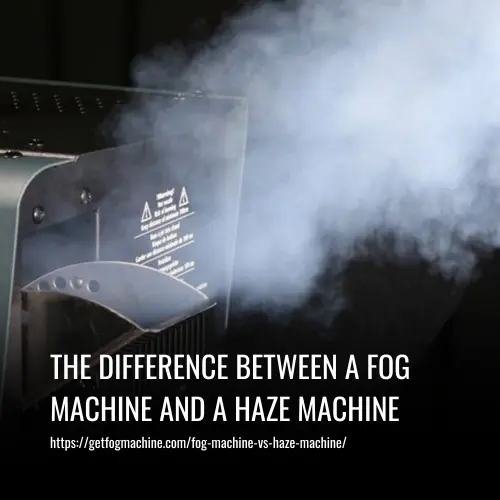
A fog machine (or smoke machine) is the most common type of machine when it comes to the two, and it uses a special fog juice or liquid. The liquid is heated up inside the machine which then has a mechanism to vaporize it so that it turns into the fog that we recognize.
A haze machine works somewhat similarly to a fog machine with a few slight differences. They work just like a fog machine in that they output fog but it looks different.
Where a fog machine will heat the liquid, a haze machine actually uses an air compressor to turn the liquid into a vapor which is then dispersed. The result is a lighter type of haze and one that isn’t as intense.
The Look
As you can see, the differences between these machines is substantial, but where you will really notice the differences is in the actual “fog” that they produce. The outcome of both machines gives a totally different look. A haze machine is almost unrecognizable and most people won’t be able to see it in the air.
The best way to use a haze device is in conjunction with a laser or other lighting effects as it helps the effects to stand out. The fog machine creates a thick fog that can cover the floor or in the air, and can be adjusted to suit whatever look you’re going for.
So the real substantial difference between a fog machine and a haze machine is in what you are trying to achieve with it. A haze machine is mainly meant to accentuate lights and effects, where a fog machine is used when you want the fog to be part of the effect. There are many different, creative ways to make use of each of these machines, and they will be covered in more detail below.
How Does The Fluid Differ?
One of the most important practical differences for usage of each machine is with the liquid you have to fill them with.
The fluid used in a haze vs a fog machine is different, and this has a great impact on the final effect. Hazer machines usually work with a mixture of mineral oil. This oil means that the haze hangs for a longer time in the area, but is less intense.
Fog liquid is made with distilled water and pharmaceutical grade propylene glycol but may feature other ingredients. There are many different types of fog juice that each have their own effects, for example, one may be low lying that sits low to the ground or another may be thick. Depending on the effect you want, you can choose the liquid to suit. We will examine the types of fog in more detail below.
How To Decide Between Fog and Haze
One of the biggest decisions, and probably the reason you came to this article in the first place, is whether you need a fog machine or a haze machine for your purposes. The best way to make this decision is by first evaluating your own needs and requirements. So take some time to think about how you will actually be using a fog machine or a haze machine.
Next, you need to understand how each machine is best used, so that you can match this to your own requirements.
That is why, in this section, we are going to outline the top usages of each type of machine. We will examine the various ways that a fog machine and a haze machine can be used.
After that, we will examine the different types of fogs that can be produced with each machine.
With an understanding of the top uses of each machine, you will be able to make the decision which will achieve the perfect effect you are looking for.
When Is A Haze Machine Best?
Knowing when to use each of these machines is the best approach, as there are times when one will shine more than another.
If you have a haze machine, these are some of the settings that they will definitely be put to good use. If any of these situations sound like a reason you would use a haze machine, then we highly recommend you consider one:
A Show
A show can be a production, a musical, or anywhere else where you want the effect of smoke or mist without it being too overpowering.
Of course, haze is most effective in this environment for accentuating lights and special effects. You wouldn’t want your fog to overpower the performance to the point where you can’t even see the performers, and this is why haze is so great. It is mostly transparent, and really just intensifies certain special effects in the show. The performance remains very visible to the audience.
Haze is excellent for this purpose because it adds to the show, rather than distract from it.
Photo Shoot
Haze can be great for a professional photo shoot where the photographer wants to give off a romantic or whimsical, or alternative vibe. A light haze can be perfect for achieving this effect. And the haze can be so subtle that it is barely noticed, keeping the focus purely on the subjects of the photo.
Haze can be used, alongside setting, lighting, and background, to create the perfect photo to match your objectives. Whether you want to add a fantastical element to a romantic setting, or add a creepy vibe to an alternative photo shoot, haze can amplify the effect you are searching for.
Concert or Festival
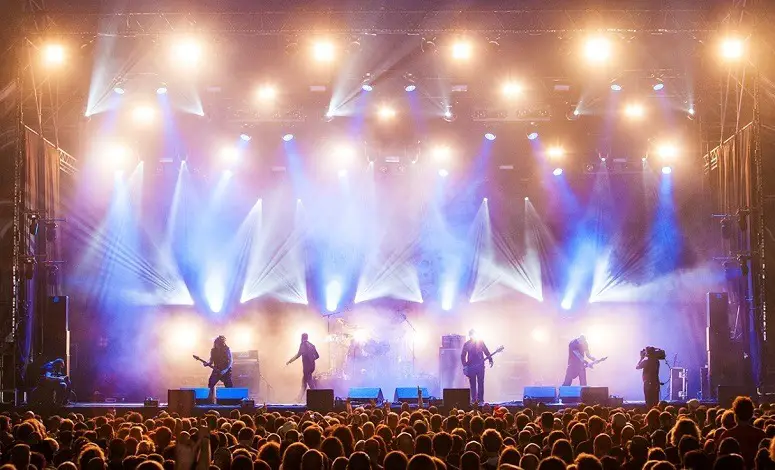
Haze can be excellent for a concert or festival. The haze can be used for many different purposes, whether as a light mist to set the mood, or to amplify exciting lights and special effects. In much the same way haze can be used in a theatrical performance, it can be used in a concert as well.
With a concert, you want to create special effects, but also want the focus to remain on the performers. Haze is mainly transparent, and is an excellent tool for achieving this effect.Whether you are using haze in a subtle manner, or covering the air surrounding the entire stage, the attention can always remain on the performance.
Light Show
So far we’ve mentioned the use of a haze machine to amplify a light show in a concert or a theatrical setting. However, this also works when lights are the star of a show. The particles from the haze machine will help the lighting stand out and make the show much more exciting.
If you are planning a professional light show, a great haze machine is pretty much essential. The way the lights cut through the haze is hard to describe without seeing it yourself. It is a breathtaking display and there are so many ways to showcase your creativity with a light show.
Overall Usage
As you have seen in this section, haze machines are mostly used to amplify and accentuate other aspects of a show. The haze itself is not the focal point, so much as what it is meant to achieve.
So if you are planning a performance, a concert, or anything involving lights, you should check out what a haze machine can do for you.
When Should You Use A Fog Machine?
Fog machines are usually more versatile than haze machines and have many different uses. Owning a fogger means you’re set to create just about any type of atmosphere you want and they can be used throughout the year.
In this section, we will evaluate several different ways that you can use a fog machine. We recommend that you read through this list while thinking about what you need a fog machine for. Here are some ways to put yours to good use:
Weddings
A fog machine is a great tool for any wedding. They really add a mystical, romantic vibe to any setting. Covering the dance floor in a low-lying fog is a great idea to add that extra touch. The first dance is the perfect time to get the fog machine out and make the room look romantic.
The most common area for a fog machine at a wedding is the dance floor. This is for good reason, it accentuates the area and makes it a fun spot for all the guests in attendance. It will also make your wedding photos look even better!
Halloween
There’s nothing as spooky as fog and Halloween is the best time to get your fog machine out. You can create an eerie graveyard, a walk through house of horrors, or just light up the dancefloor or event space with some theatricalfog.
Fog is a spooky decoration to add to any Halloween display or Halloween party. The beauty of fog is in its versatility. It can be thick and dense, or lay low to the ground and create an aura of mystery. You can truly use it however you want, and the only limit is in your creativity.
Dances
The dance-floor can be instantly transformed with a fog machine, and you have the option to keep it low to the ground for a better effect. Whether you want to envelope the dance floor in a thick layer of fog, or send a haze surrounding the party to amplify a light-show, fog is a great tool for making the party exciting and fun for everyone involved.
Fog machines are popular tools in bars and clubs, just be sure that you buy one that matches the mood of your establishment.
Larger Events
A fog machine is capable of creating quite a lot of fog if you have the right one, so they’re ideal for outdoor spaces where you have a lot of ground to cover. For outdoor spaces, you are probably looking for a fog machine with thick fog. This fog takes much longer to dissipate, and won’t become blown away by wind so fast.
A ground fog machine can be used to create a thick fog that is capable of covering a lot of ground, and the thick nature of the fog will make sure it doesn’t get blown away.
Special Effects
Fog machines are excellent for all types of special effects. Whether you are looking to mimic real fog, or simply want to inject your display with a certain vibe, a fog machine can create something to fit your needs. You have surely seen the use of fog in all sorts of plays, musical, movies, and TV shows.
Fog is a very versatile tool, and that is why it has become so popular in special effects. Its most obvious use is to mimic actual fog, but there are many other ways it can be used to elevate a scene.
Sports Venues
Sporting events are a very popular setting for the use of fog. Whether it is when the team is running onto the field, or during an exciting half-time performance, a fog machine is a great tool to raise the spectacle of any sporting event. Fast bursts of heavy fog can add intensity and excitement to a situation, and can keep fans engaged and entertained.
Types of Fog/Fog Machines
Even if you decide that a fog machine is right for you, you might still find that the choices are a bit overwhelming. There are different kinds of fog machines on the market, all intended to fulfill different purposes. In order to help you make your decision, we are going to outline the major types of fog machines, including how they work and their intended uses.
It is helpful to understand these differences so that you may match them to your personal preferences.
Heated
A heated fog machine uses (you guessed it) heat to generate fog. The machine usually uses an electric pump to push a mixture of glycerin (or glycol), mineral oil, and water into a heat exchanger. The mixture will then vaporize and become fog, which is blown outside of the machine.
The heated fog machine is the most popular type of fog generator, and what you are likely to encounter in your search for a machine of your own. Because of this, they come in many shapes, models, and sizes.
You can find models to suit a variety of different needs. Some notable features include – a remote control for easy usage, various speeds of fog output, and even motion detectors. Additionally, some are more “heavy duty”, for filling larger areas faster.
It is important to consider which of these features you actually need, and how extensive your usage will be, because the extra features will generally cost you more as well.
Chilled
Chilled fog machines create fog using the power of freezing instead of heat. Generally, these fog machines will use dry ice, liquid nitrogen, or liquid air. Then, a fan at the top of the machine will direct the fog.
The main difference you will notice with this type of machine is the type of fog they create. They are meant to create a dense, thick layer of fog that lies low to the ground. It is effective at covering entire floors and achieving an opaque effect.
Generally, this type of low-lying fog is used to cover large areas, such as dance-floors, stages, and various displays and presentations. There are many creative ways to use a chilled fog machine. If this sounds like the type of fog you are looking for, consider one of these machines.
Types of Fog Effects
Throughout this article, we have touched on the different types of fog that can be created by fog machines and haze machines. In this section, we will outline each of these types of fog, so that you may make your decision based on the type of effect you want to create with your own machine.
There are several types of fog which can be created with a fogger, and each have their own unique characteristics. When shopping for a fogger and for fog juice, be sure to pick the combination that advertises the effect you are looking for. This buying process is especially key in ensuring that you create the effect you want.
Low-Lying
A ground fogger can create a low-lying fog. This fog does exactly as its name specifies, it is formulated to stay close to the ground. As explained above, this type of fog is quite popular to cover ground at a wedding, a nightclub, or on a stage.
Low-lying fog can be made to last quite a long time, or to dissipate more quickly. It really depends on the type of machine and the type of juice you are using.
Medium Density
Medium density fog is meant to be a noticeable and thick, but not too thick as to be non-transparent. This fog is great when you want to create a strong fog effect, but still want it to remain transparent so as to keep focus on the action.
This type of fog is quite popular in displays and performances. It is also used quite often in sporting events to add an extra level of professionalism and excitement to the presentation. This fog is great if you are looking to add that extra touch that isn’t too overpowering.
High Density
High density fog is just as the name states, it is meant to be the least transparent and thickest type of fog. If you want a fog that is very noticeable and are looking for a thick, long-lasting effect, then this might be what you are looking for.
This type of fog is quite popular to create a strong effect in special effects scenarios. It replicates real, thick fog, and is used for this purpose.
Because the fog is so dense, it also takes much longer to dissipate than other types of fog. This also makes it quite useful in outdoor areas, where the winds tend to blow away the fog faster.
Burst
A fog burst is a fast shot of high density fog that bursts into the air at once. It is a neat special effect that you have probably seen used at sporting events. The fog is quickly blasted into the air, and it creates a quick, high-intensity special effect to add some excitement to a situation.
If you are planning a spectacle or performance and want to add an extra layer of intensity, consider a fog burst. Along with some exciting music, this can up your performance to a new level.
Haze
Of course, our final type of fog effect is one that takes a key role in this article. Haze, as explained above, is the lightest, most transparent type of fog. It is created with a haze machine, and can be used to accentuate all types of lighting and various other special effects.
This article is designed to explain the difference between a fog machine and a haze machine. And as you can see, there are quite a lot of effects that can be created with a fog machine. So use this section to see whether haze, or any type of fog, is more suitable to your usage.
It really comes down to the effect that you are trying to achieve, and whether fog or haze will best allow you to reach that goal.
Making The Right Choice For Your Event
There are so many great looks you can create with either a haze machine or a fog machine. Whether you’re trying to create a romantic setting for a married couple’s first dance or turn your home into a spooky playground for Halloween, having either of these machines can make a huge difference.
For those who like to entertain a lot, investing in a fog machine is usually the best first option. However, if your budget allows for it you could get yourself a haze machine as well, so you have the best of both worlds.
Really, the most important thing is to buy the machine that is best for you. This requires you to first take some time and think about what it is you are actually looking for. Consider how you will be using your machine, and how extensive your needs are. Once you have decided what you are looking for, you can match your needs to our various features and specifications above.
Haze and fog can be a whole lot of fun and it’s something that people of all ages can enjoy. These machines add instant atmosphere to even the most boring room, and when you have one it will provide years of enjoyment wherever you take it.
Conclusion
Thank you for reading our guide on the differences between fog and haze machines. As you can see, the differences are not huge, but they are important. It is really all about finding the machine best for you.
From performances, to dances, to parties, to sporting events, and more, there is a machine out there that will take your next event to the next level. We are confident that you can use our guide to find the machine that is best for you.
Resources: